
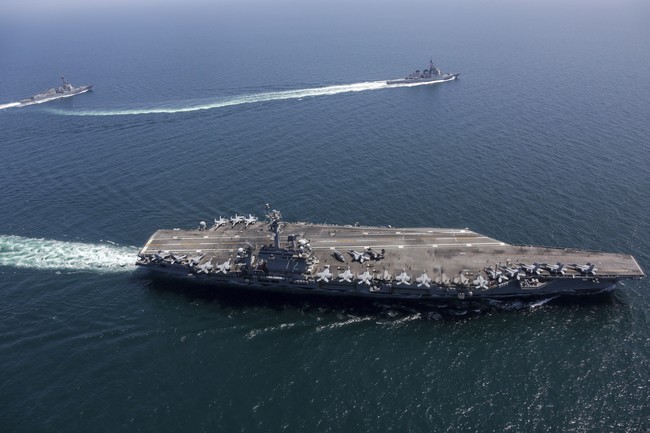
The recent uproar over conditions aboard the USS Abraham Lincoln and related media coverage reveals more than a naval personnel story; it threads into debates over military morale, press influence, foreign adversaries, and domestic political actors. This piece traces how reporting, institutional reactions, and broader geopolitical concerns intersect, touches on notable firings and accusations of insubordination, and highlights claims about outside influence from adversaries and advocacy groups. I keep the key quotes and embedded markers intact for reference. The aim is to lay out the sequence of events and the larger questions they raise about loyalty, media incentives, and national security.
The Lincoln story began as reports of strained conditions during a long deployment: complaints about exhaustion, morale, and shortages of basic items like fresh produce circulated among sailors and family members. Military outlets and some national media amplified those accounts, describing the deployment as “grueling” and recounting serious claims about mental-health strains among the crew. Public reaction pushed the Pentagon to respond, and the tension between commanding officers, journalists, and the rank-and-file became a focal point for broader debates about service culture and media responsibility.
Acting Navy Secretary Hung Cao sought to frame the ordeal as a test that strengthened sailors rather than broke them, saying in : “There is no question our young men and women have been pushed to their limits—but they have never broken.” That comment landed amid a cascade of coverage that included both sympathetic and skeptical takes on the reporting. Critics argued the press exaggerated routine hardships, while defenders of the sailors said legitimate concerns were being dismissed or minimized by leadership.
When Stars and Stripes staff publicly criticized conditions and the Pentagon, the fallout included disciplinary action and dismissals, raising alarms about editorial independence and military oversight. Editor-in-chief Erik Slavin and others were removed after interviews and public statements that the Defense Department deemed insubordinate. Slavin reportedly warned that “in a hypothetical situation, censorship would be a red line,” and his firing intensified questions about where the line between oversight and free reporting should lie.
Those personnel moves did not occur in a vacuum. Observers tied the episode to a longer-running narrative alleging coordinated efforts to weaken military cohesion through media pressure and political advocacy. The controversy was folded into wider claims about foreign influence and domestic networks working to reshape military-policy debates, with some critics pointing fingers at globalist funders and advocacy nonprofits said to tilt institutional loyalties.
At the international level, long-standing tensions with China were raised as part of this discussion, with critics noting episodes such as high-profile intelligence missteps and land purchases near bases as evidence of strategic penetration. Accusations were lobbed that elements within the intelligence and policy apparatus had downplayed or mishandled threats, and those lapses were described as part of a pattern that could erode readiness. That line of argument frames media narratives about troop welfare as potential leverage in broader geopolitical competition.
Domestic political actors entered the fray too, as certain lawmakers and activist groups were accused of encouraging rank-and-file resistance to standard command authority. The so-called Seditious Six became a talking point in critiques asserting that elected officials should not be promoting disobedience within military ranks. This debate touched legal and ethical questions about civil-military relations and the proper role of elected officials in influencing military behavior.
Data Republican and other investigators alleged connections between advocacy groups and prominent philanthropic interests, arguing these networks shaped discourse around the military and national security policy. That reporting named organizations and personnel, describing them as part of “interlocking” efforts to change the relationship between troops and civilian leaders. Those claims were controversial and prompted pushback from defenders who insist those groups pursue legitimate policy debate rather than subversion.
A historical angle also surfaced, linking modern allegations to older controversies about military influence in politics and the origins of what some call the deep state. One researcher connected past events—Watergate and earlier power struggles—to long-standing tensions among military, intelligence, and political actors. A quoted investigator wrote at length about how CIA operations and personnel migrated into broader national security roles and suggested that these institutional migrations complicate our view of accountability and motive in high-stakes incidents.
Throughout the episode, social media and cable coverage amplified grievances, while Pentagon reactions and personnel changes fed criticism about whether the military is being strengthened or undermined. Embedded markers in this text preserve moments where public statements, interviews, and sourced footage shaped public perception. The Lincoln case is now a prism through which questions about media incentives, institutional loyalty, foreign influence, and domestic advocacy groups are being debated, and those conversations will continue to influence how Americans think about their armed forces and the institutions that oversee them.
https://x.com/lara_korte/status/2090883997651939424?ref_src=twsrc%5Etfw


Only one thing to say that matters most right now! Soros must be executed now for his lifetime of Evil High Crimes, Treason and Demonic Deadly Influence in the Crimes of a Multitude of other individuals that he used and still uses as his puppets; he the Demonic Deadly Master Puppeteer!
Arrest him NOW and slam his ugly as sin Puss and ass into GITMO to be exterminated! US Government Military where are you; you have the Constitutional Right and Responsibility to do this!!! No legal wranglings and bought judges need be involved in the process!!! Get it done NOW!!!