
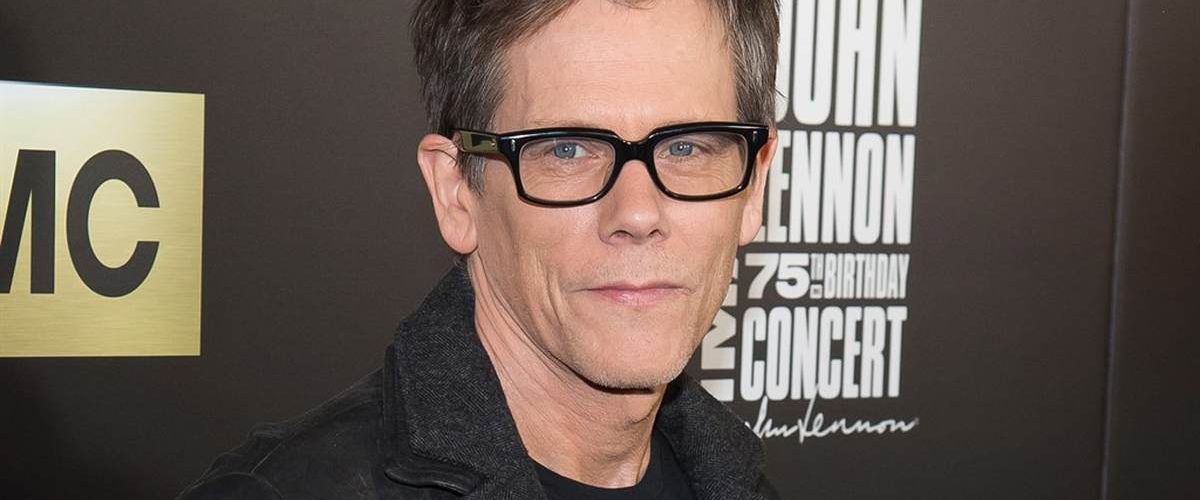
Kathy Hochul posted a staged video with Kevin Bacon to celebrate New York removing an outdated dancing disclosure from liquor license applications, and the result landed as awkward, cringe-worthy and politically tone-deaf rather than triumphant. The clip leaned on movie references, stiff delivery, and odd banter that made Bacon, a bona fide pop-culture figure, look oddly out of place. This article breaks down the moment, the politics around the change, and why the execution undercut the policy win. Embedded video tokens from the original piece are preserved below for reference.
New York quietly ended an old requirement that asked bars and restaurants to disclose dancing on liquor license applications, a rule that felt out of step with modern nightlife. On paper, removing such an archaic bureaucratic checkbox makes sense and loosens red tape for small business owners and venues. It’s a straightforward regulatory cleanup that could actually help hospitality operators regain foot traffic and late-night revenue without special permission hurdles.
Instead of letting the policy speak for itself, the announcement came wrapped in a highly produced, celebrity-backed clip that tried to score cultural points. Kathy Hochul leaned into movie nostalgia and choreography lines to sell the moment, but the delivery was stiff and overly scripted. The attempt to be folksy read as rehearsed, and the contrast between official messaging and performative fun was jarring.
Hochul delivered lines lifted from a classic film in a cadence that lacked warmth, saying, “Dancing? Banned? In New York?! Not anymore,” and “Thanks to my administration, you can now cut loose, footloose and kick off your Sunday shoes.” Those exact words played oddly coming from a governor who is typically seen as tone-deaf to pop culture. When a leader quotes a movie, the risk is that it either humanizes them or exposes a disconnect; in this case the latter felt more accurate.
Kevin Bacon appeared to play along, asking about the Macarena and other dance trends before attempting his own moves. Bacon’s presence should have grounded the messaging, given his cultural cachet and decades-long reputation as an effortlessly cool actor. But the back-and-forth landed as awkward banter, underscoring how mismatched celebrity cameo and gubernatorial public relations can become when staged rather than spontaneous.
https://x.com/EndWokeness/status/2094077401546338704
The video’s structure relied on light-hearted callbacks and a forced sense of spontaneity that a sharp editor could have avoided. Rather than highlighting small business owners, dancers, or local venues that stand to benefit, the clip centered on a contrived exchange between a politician and a Hollywood star. That choice diluted the substance of the announcement and shifted attention to the cringe of the performance itself.
From a Republican viewpoint, this was a missed messaging opportunity to emphasize deregulation and support for small businesses. A simple, authentic visit to a local bar or club showcasing real patrons reclaiming the dance floor would have done the policy more justice. Instead, theater over reality made the change look like a photo op rather than a governance achievement that matters to everyday New Yorkers.
Kevin Bacon’s long career gives him a built-in credibility that could have been used to highlight the cultural importance of nightlife to New York’s economy. His filmography and pop-culture status make him an asset for civic messaging if handled right, yet here he was reduced to a prop in a skit that never quite landed. Watching him engage in staged silliness felt like watching a great actor trapped in an awkward PSA.
The optics matter, especially when a governor wants to be seen as relatable and competent. A governor can score points by cutting needless rules and showing real results, but fumbling the narrative with clumsy theatrics erodes trust. Voters notice when political theater overshadows tangible outcomes, and that’s a problem for any administration hoping to persuade undecided or independent minds.
This incident also illustrates a broader pattern where political figures try to gamify relatability through pop-culture references and celebrity pairings. Sometimes it works, but more often it exposes a gap between political intent and authentic connection. When policy substance takes a back seat to staged charm, the public reaction tends to skew toward mockery rather than support.
Beyond the embarrassment factor, the policy change itself remains sound: removing an obsolete licensing checkbox reduces red tape and modernizes state rules. The merit of that decision stands independent of how awkwardly it was announced. Still, the misfire shows why messaging strategy matters as much as the policy in political life—especially when a Republican critique is that substance should lead and stagecraft should follow.
In short, New York got the right regulatory move, but the delivery turned a small governance win into a one-minute case study of how not to sell a story. Preserving credibility requires pairing good policy with authentic presentation so that reforms land as real relief for citizens rather than as viral fodder for late-night comedians.



Add comment