
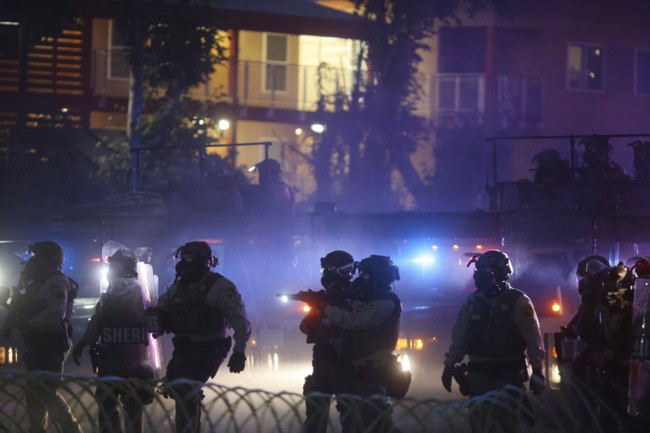
This article examines a recent clash between Philadelphia Sheriff Rochelle Bilal and U.S. Immigration and Customs Enforcement, highlights the constitutional and federalism issues at stake, and reports ICE Director Todd Lyons’s blunt response to threats against federal agents. It outlines why local attempts to obstruct federal immigration enforcement are constitutionally dubious, critiques the political rhetoric fueling conflict between law enforcement layers, and recounts reactions tied to a separate violent incident invoked in the debate.
‘Try It’: ICE Director Comes in Hot on Philadelphia Sheriff’s Absurd Threat to Arrest Agents
The Philadelphia sheriff publicly vowed to challenge ICE operations in city neighborhoods, sparking a sharp response from federal officials. That confrontation is more than a political flap; it raises clear questions about the division of authority between federal and local law enforcement. Understanding the constitutional framework helps cut through the heat and the exaggeration.
Sheriff Rochelle Bilal declared opposition to ICE actions in a fiery news conference, framing the agency as illegitimate and morally wrong. Her comments drew immediate pushback from critics who say she misunderstands or ignores the Constitution’s assignment of immigration enforcement to the federal government. When local officials warn they will arrest federal agents simply doing their jobs, it sets up a dangerous and legally shaky collision.
Those that come into our communities wearing masks to commit crime— and thank God for our District Attorney Larry Krasner, who says he’s gonna lock them up… you’re getting arrested… we stand here today with all those who stand against the made-up fake, what you can call ICE. Professional law enforcement? I’m not calling none of that. I call them made-up, fake wanna-be law enforcement.
Because what they do is against not only legal law but moral law… you will not be able to hide. Nobody will whisk you off. You don’t want this smoke, because we’ll bring it to you. And the fake, whatever they call them because I can put… I can’t say their name. But the criminal in the White House will not keep you from going to jail.
That quote captures the posture: theatrical defiance, public posturing, and a vow to interfere with a federal mission. Those words were meant to energize a political base, but they also risk creating chaos between law enforcement agencies. The Constitution does not endorse a patchwork of local vetoes over federal immigration enforcement.
Short snippets of the same speech have circulated widely and been repeated for emphasis in rallies and social posts. One of those lines was aired again later in coverage to show how confrontational the rhetoric became. Repeating the quote helps show why federal officials felt compelled to respond directly.
…we stand here today with all those who stand against the made-up fake, what you can call ICE. Professional law enforcement?
The Supremacy Clause assigns federal law precedence where federal authority is validly exercised, and immigration enforcement has long been seen as a core federal power. Local officials can shape local policing priorities, but they cannot unilaterally arrest or obstruct federal agents carrying out federal duties. That constitutional reality makes threats against ICE legally hollow and politically risky.
Beyond legal doctrine, practical problems follow when local leaders pit agencies against one another. Conflicting instructions and open antagonism make communities less safe by reducing cooperation, intelligence sharing, and operational clarity. Federal leaders argue that politicized rhetoric puts officers at unnecessary risk and undermines cohesive public safety strategy.
Anytime you pit law enforcement officers against law enforcement officers, it makes nobody safe. This is the exact type of political rhetoric that I’ve been saying, ever since I’ve had the opportunity to be the ICE director, that use of this increased rhetoric is what’s causing the issues, right now.
“You can’t pit a local law enforcement officer against a federal law enforcement officer. We are out there trying to do a lawful law enforcement mission, and this rhetoric right here is a pure example of what we’re facing every day.
I’m not one for banter or bluster, but my message to the sheriff is try it, try to arrest my folks. Let’s see what happens.
ICE Director Todd Lyons answered with a direct challenge and an insistence on operational legitimacy. His response mixed a warning about safety and a constitutional point: federal missions must be able to proceed without local veto. That blunt posture is meant to deter performative gestures by local politicians who may not face legal consequences but who create serious risks on the ground.
Political context matters, and this clash sits inside a larger debate over border security and enforcement priorities. Critics argue that lax federal policies have invited record cross-border flows and crime, while defenders of local resistance claim civil liberties or sanctuary policies motivate them. For voters and public officials, the core question is whether rhetoric or rule of law will guide how disputes between levels of government are resolved.
Threats to arrest federal agents are more than symbolic grandstanding; they can provoke dangerous standoffs and complicate efforts to manage immigration and public safety. The Constitution, federal statutes, and decades of practice point to the primacy of federal authority on immigration matters, making local arrest threats an impractical and likely unlawful tactic. Officials who consider such moves should weigh the legal realities and the real-world risks they create before escalating rhetoric into confrontation.
Bilal is a traitor to our country this asshole better read the Constitution and he to an oath to protect the American citizens not illegals who broke our laws. Fire him immediately.