
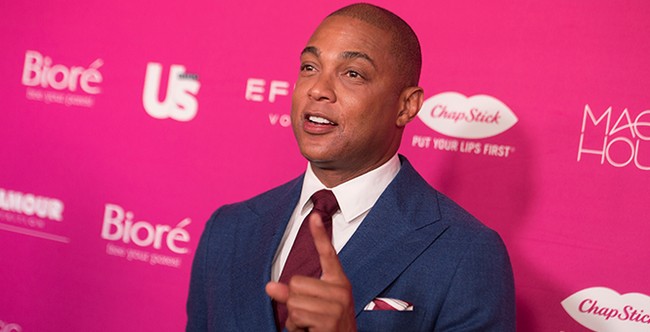
Don Lemon, the former CNN anchor, was taken into custody in an FBI and HSI operation after a grand jury was reportedly empaneled, and the arrest has sparked a fierce political reaction that highlights deep divides over media, accountability, and the role of federal prosecutors.
The news landed like a thunderclap in media circles and on social feeds, and it was reported that law enforcement coordinated the arrest after a grand jury moved forward. Multiple sources with direct knowledge told investigators and outlets that the FBI and Homeland Security Investigations played key roles, signaling a federal-level probe rather than a routine local matter.
Former cable news anchor Don Lemon was arrested last night, multiple sources with direct knowledge tell CBS News. A source familiar says a grand jury was empaneled on this yesterday. FBI and HSI were involved in the arrest, sources say.
It was not immediately clear what charges he would be facing. CBS News has reached out to Lemon’s representatives and the Department of Justice for comment.
For those who care about free speech and journalistic independence, this arrest raises immediate questions. If journalism is being treated as a crime scene in certain circumstances, conservatives worry about selective enforcement and the chilling effect it could create for reporters who challenge power on either side of the aisle.
At the same time, accountability matters. Being a media figure does not place anyone above the law, and when credible investigations involve high-profile names the public has a right to expect transparency and due process. The involvement of an empaneled grand jury suggests prosecutors believed there was enough to investigate more deeply, though grand jury activity alone does not equal guilt.
The reaction from Lemon’s attorney was forceful and framed the episode as an attack on press freedom, with a promise to battle any charges in court. That posture will play well to supporters who see him as a casualty of a politicized justice system, and it will test whether courts or juries are the venue that ultimately settle disputes over media conduct and official scrutiny.
Abbe Lowell, a lawyer for Mr. Lemon, has vowed to fight any charges. If the Justice Department continues with “a stunning and troubling effort to silence and punish a journalist for doing his job,” he said in a statement before the arrest, “Don will call out their latest attack on the rule of law and fight any charges vigorously and thoroughly in court.”
Conservatives who have long accused parts of the mainstream press of bias are watching closely, and many are framing this as a rare moment when the powerful media class faces consequences. That perspective emphasizes equal treatment under the law and the notion that public figures can be investigated without it being automatically spun as persecution by political enemies.
There’s also context about a separate but related incident in Minnesota that appears connected to the broader inquiry. Activists stormed a church service in St. Paul, apparently acting on the belief that one of the pastors was employed by ICE, and three people were arrested in that matter prior to the most recent developments.
The Minnesota episode fed into the story because it involves allegations of coordinated action and potentially criminal conduct tied to protest tactics. When civil disobedience crosses into alleged wrongdoing, law enforcement steps in, and this becomes a conversation about where protest ends and criminal behavior begins.
Media consumers should keep a clear head about two things at once: the importance of protecting legitimate journalistic activity and the equal importance of allowing law enforcement to follow credible leads wherever they point. Mixing outrage with demand for facts is the responsible stance, especially given how quickly narratives can be weaponized online.
Expect the usual online storms, with partisan camps trading takes and spinning the arrest into broader cultural battles about media trust and prosecutorial overreach. Conservative outlets will stress accountability and rule of law, while liberal commentators will warn about threats to press freedom—both sides will try to shape public perception long before evidence is fully aired in court.
The legal process will unfold now, and that means subpoenas, filings, and possibly indictments—or it could fizzle if prosecutors lack sufficient proof. Either way, the public should demand clarity from the Department of Justice and from media institutions that have historically defended their own when controversy erupts.
For now, the facts that emerged are stark: a grand jury was reportedly empaneled, federal agencies were involved in the arrest, and defense counsel is preparing a vigorous response. How this plays out will matter not just for one former anchor, but for how Americans view both the media class and the agencies that police alleged wrongdoing across the political spectrum.
Add comment