
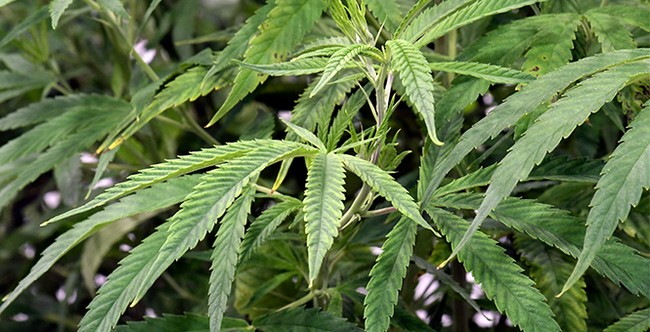
This article explains the federal rescheduling of marijuana from Schedule I to Schedule III, the reasoning offered by the administration, the research and clinical implications cited in the government fact sheet, and what this change does and does not mean for patients, providers, and federal law. It includes the president’s announcement, cited evidence on pain and senior use, and details about how rescheduling is expected to expand research while leaving recreational legality unchanged. Embedded media referenced in the original coverage are retained in their original token positions.
The federal Drug Enforcement Administration organizes substances into five schedules, and the recent executive action moves marijuana out of Schedule I into Schedule III. That shift signals a recognition that marijuana has some legitimate medical uses and a lower relative risk profile than previously declared, according to the administration. The change is aimed at unlocking research pathways and responding to patients who report relief from a range of chronic conditions, including pain and seizure disorders.
The president said:
Today I’m pleased to announce that I will be signing an executive order to reschedule marijuana from a Schedule I to a Schedule III controlled substance with legitimate medical uses. We have people begging for me to do this. People that are in great pain. For decades this action has been requested by American patients suffering from extreme pain, incurable diseases, aggressive cancers, seizure disorders, neurological problems, and more, including numerous veterans with service-related injuries and older Americans who live with chronic medical problems. Those can severely degrade their quality of life.
The White House released a fact sheet outlining why rescheduling matters for medical practice and research, and the summary highlights several concrete points. The Food and Drug Administration reviewed medical uses and found credible scientific support for treating anorexia related to medical conditions, nausea and vomiting, and pain. Those findings are cited as the basis for allowing medically oriented prescribing and for facilitating more robust clinical studies.
The fact sheet also draws attention to the scale of chronic pain and the current gap in clinical guidance. Chronic pain affects nearly one in four U.S. adults and more than one in three U.S. seniors, and six in 10 people who use medical marijuana report doing so to manage pain. One in 10 seniors used marijuana in the last year, and some studies show improvements in quality-of-life measures and pain among older adults using medical marijuana. The administration argues that rescheduling will help create rigorous evidence around these outcomes.
Another emphasis is the lack of sufficient high-quality, long-term research on medical marijuana and cannabidiol products, which has left clinicians and patients without clear prescribing standards. The absence of FDA approval for many cannabis products means providers often lack detailed guidance on dosing, interactions, and monitoring. Rescheduling to Schedule III is expected to let researchers include real-world evidence in studies and to use models that assess health outcomes for products already in the marketplace.
- The FDA reviewed the landscape of medical use of marijuana and found credible scientific support for its use to treat anorexia related to a medical condition, nausea and vomiting, and pain.
- Chronic pain affects nearly one in four U.S. adults and more than one in three U.S. seniors, and six in 10 people who use medical marijuana report doing so to manage pain.
- One in 10 seniors used marijuana in the last year and evidence shows improvements in some seniors’ health-related quality of life and pain with medical marijuana use.
- However, the lack of appropriate research on medical marijuana and consequent lack of FDA approval leaves American patients and doctors without adequate guidance on appropriate prescribing and utilization, especially as just over half of older Americans using marijuana have discussed the usage with their healthcare provider.
- Schedule III status will allow research studies to incorporate real-world evidence and models that can assess the health outcomes of medical marijuana and legal CBD products while focusing on long-term health effects in vulnerable populations like adolescents and young adults.
It’s important to be clear about what this administrative action does not do at the federal level: it does not legalize recreational marijuana nationwide. The substance will remain regulated, but the new classification is intended to reduce barriers to clinical trials, pharmacological studies, and long-term observational work. Researchers and clinicians expect more access to patient-level data and a clearer regulatory path for investigating therapeutic claims.
Medical literature and clinical reports have long suggested that cannabinoids can offer analgesic effects for some chronic pain sufferers and potential benefits for conditions like chemotherapy-related nausea. Individual experiences vary and the evidence base still needs expansion to define appropriate populations, doses, and safety monitoring. For patients and clinicians navigating chronic conditions, more high-quality research promises clearer choices and potentially better outcomes.
Rescheduling is a practical move to expand scientific inquiry and to respond to patient demand for options in pain management and symptom relief without altering the core federal prohibition on recreational use. The administration frames the order as a gateway to responsible study and tighter evidence that can inform medical practice, particularly for vulnerable groups such as seniors and veterans.



Add comment