
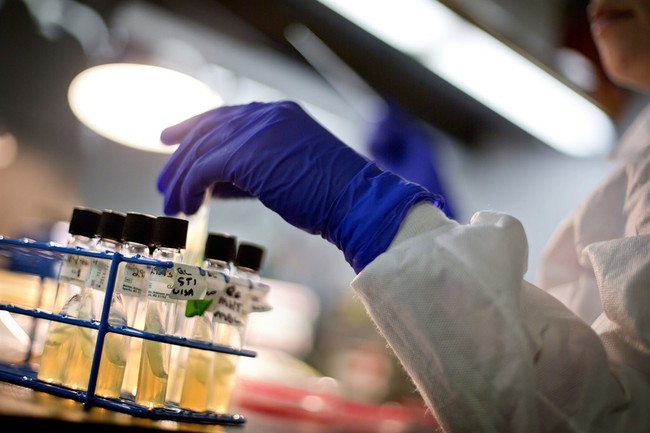
A U.S. post-doctoral researcher from China has been charged with allegedly smuggling E. coli into the country, raising fresh concerns about foreign access to U.S. labs, agricultural vulnerability, and the need for strict oversight of biological materials arriving from abroad.
Escherichia coli, known simply as E. coli, is a bacterium found in the guts of mammals and in the environment, so most people already have a basic sense of what it is. Some strains, however, can cause serious illness when they contaminate foods like leafy greens that are eaten raw, which is why any unauthorized import of bacterial samples demands attention. The alleged incident involves a researcher here on a visa, and it highlights the tension between open scientific collaboration and national security risks. We should treat the matter seriously without panicking, but also without ignoring the larger pattern it could indicate.
Authorities say the individual charged is a post-doctoral researcher identified as Youhuang Xiang, and the case centers on bringing E. coli material into the United States and making false statements related to that import. The public details so far leave open why someone would try to smuggle a bacterium that is ubiquitous unless it was a rare or modified variant. If it was an unusual strain, the implications for crops or public health could be significant, and that risk is part of why controls exist in the first place.
FBI Director Kash Patel announced on Friday that a post-doctoral researcher in the U.S. on a visa was charged with allegedly smuggling Escherichia coli (E. coli) into the country and making false statements about it.
Patel identified the post-doctoral researcher as Youhuang Xiang, but did not name the university involved in the case.
“This is yet another example of a researcher from China, given the privilege to work at a U.S. university, who then allegedly chose to take part in a scheme to circumvent U.S. laws and receive biological materials hidden in a package originating from China,” .
“If not properly controlled, E. coli and other biological materials could inflict devastating disease to U.S. crops and cause significant financial loss to the U.S. economy,” he added.
https://x.com/FBIDirectorKash/status/2002022786227671247?s=20
Patel praised FBI field offices and Customs and Border Protection for their roles in the investigation, and he urged universities to be “vigilant of this trend.” His comments also reminded institutions that there is a legal, formal process to license imports and exports of biological materials, and that process must be followed. From a commonsense Republican perspective, this is about protecting American farms, food supplies, and research integrity. It is reasonable to demand that universities accept responsibility for who they host and what materials are brought into their labs.
There are uncomfortable questions here about oversight and intent. Did the researcher lack the proper license, or was this a deliberate attempt to hide a biological sample with potential import restrictions? Either scenario points to weak controls or willful evasion, both of which deserve scrutiny. The precise strain and its purpose in the researcher’s work remain unclear, and investigators should clarify whether the material posed a novel threat or was simply an ordinary lab strain.
Biological agents worry national security-minded conservatives because they can reproduce, spread, and sometimes evade mitigation in ways that chemical or conventional weapons cannot. The potential for agricultural damage adds a layer of economic and food-security concern that lawmakers and university boards should not ignore. This is not an argument against scientific collaboration outright, but it is a call for smarter, stricter safeguards that reflect real-world risks.
Universities benefit from international talent, but that benefit must be balanced against the risks of permitting unrestricted access to sensitive research and biological imports. Institutions should enforce compliance with licensing rules and vet visiting researchers more rigorously, particularly when their national affiliations pose potential conflicts. Transparency and robust internal controls would help prevent future incidents and reassure the public that American labs are not being used to skirt laws or facilitate risky transfers.
Beyond campus walls, the incident should prompt lawmakers to review policies that govern biological imports, lab security, and oversight of foreign nationals in sensitive research roles. Practical steps, such as clearer guidance on licensing and better coordination between universities and federal agencies, can reduce the chance that dangerous or restricted materials are smuggled in. Americans should expect their government to be firm in defending biosecurity and the integrity of scientific research.
Reports have noted a broader trend of concern about illicit biological activity tied to foreign actors inside the United States, including unauthorized lab operations and improper material transfers. That larger pattern is part of why this case resonates: it may be an isolated charge or a signal of systemic vulnerabilities. Either way, it deserves a full, transparent investigation and policy responses that protect American interests.

Add comment