
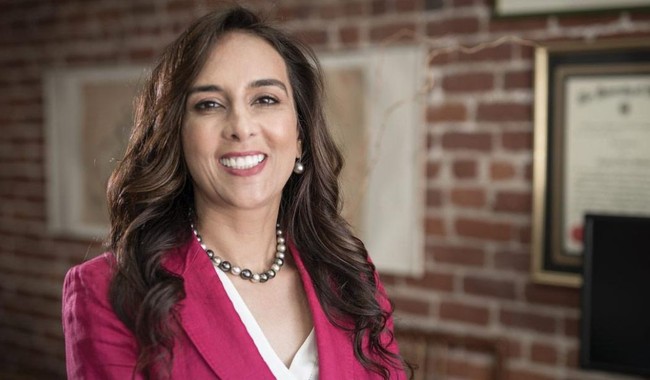
The Justice Department, led by Assistant Attorney General Harmeet Dhillon, has launched a new legal fight over access to voter registration records, alleging widespread noncompliance in mostly Democrat-run jurisdictions and announcing a 24th lawsuit targeting Virginia’s elections officials.
Since the administration changed in January 2025, the DOJ says it has prioritized rooting out waste, fraud, and abuse tied to voter rolls and ensuring compliance with federal law. Harmeet Dhillon, who heads the Civil Rights Division, has positioned her office as an active enforcer, pushing states and local officials to hand over requested election records. The effort frames itself as a return to vigorous enforcement after a prior era it calls weaponized against election integrity efforts.
As of early January, the DOJ has – mostly Democrat-run – for their resistance to requests by the Justice Department to access voter rolls. That push has included litigation and public pressure to compel cooperation, with the department asserting statutory authority under civil rights law. Officials in the DOJ argue that access to registration data is essential for verifying citizenship, clearing duplicate entries, and maintaining accurate voter lists across jurisdictions.
Dhillon discussed recent enforcement moves during a media interview, highlighting measurable outcomes from the department’s actions. She credited the DOJ with forcing North Carolina to verify roughly 100,000 registrations by confirming U.S. citizenship, a step the department frames as crucial to cleaning up rolls. She also noted the department’s role in defending Wyoming’s voter ID law against legal challenges, describing that defense as part of a broader commitment to secure voting procedures and state-level policymaking.
In the interview, she contrasted the current approach with what she called the prior administration’s misuse of federal resources, arguing that lawyers under the previous leadership were dedicated to using the federal government as a political tool. “this never would have been done in the prior administration. In fact, they hired a bunch of lawyers to weaponize the federal government against states trying to do a better job of election integrity.” That criticism is central to the DOJ’s narrative as it brings suits aimed at compelling record production.
“We put an end to that,” she says in conclusion. The department has signaled it will continue to press for compliance rather than accept refusals, filing lawsuits where it believes lawful requests have been ignored. Those suits seek court orders that would require election officials to produce registration lists and related data within strict deadlines, often asking for production within days of an order.
This week’s filing marks a notable escalation: the department announced litigation against Susan Beals, Commissioner of the Virginia Department of Elections, asserting that her refusal to provide requested records violates Title III of the Civil Rights Act. The complaint, lodged in the United States District Court for the Eastern District of Virginia, Richmond Division, asks the court to compel Commissioner Beals to deliver the records of registered voters within five days following a court order. The DOJ frames this as a necessary step to enforce federal statutes designed to promote transparency and safeguard the integrity of voter lists.
The announcement included a social media post quoted directly from Dhillon’s account: “Virginia becomes the next state sued for ignoring federal law! @TheJusticeDept means business — and @CivilRights will keep fighting to clean up voter rolls. Happy Friday!” That message underscored the administration’s intent to pursue additional actions where local or state officials decline to cooperate. The department’s strategy pairs public statements with legal filings to increase pressure on state election officials.
Those following the litigation note that these cases can move quickly once filed, and the DOJ often asks for expedited relief given the time-sensitive nature of election administration. Plaintiffs typically demand narrow remedies—production of records and compliance with federal requests—rather than broad restructuring of state election systems. Still, the suits can force public conversations about state practices, federal authority, and the balance between local control and national oversight.
Critics argue the approach politicizes enforcement and targets jurisdictions based on partisan control, while supporters counter that federal law requires cooperation and that the department is simply doing its job. With this latest lawsuit, Virginia’s elections office faces a formal legal demand that could lead to court-ordered disclosure. The coming days will determine whether the state complies voluntarily, seeks to negotiate a timeline, or challenges the DOJ’s claims in court.
Observers on both sides are watching closely, given the potential precedents these cases could set for federal access to voter registration files nationwide. The litigation push reflects a broader federal posture that emphasizes timely compliance, increased scrutiny of registration processes, and a willingness to bring repeated suits when the department perceives noncooperation. As the docket fills, more local officials may face similar choices about responding to federal requests and balancing legal defenses with public expectations for transparent elections.



Add comment