
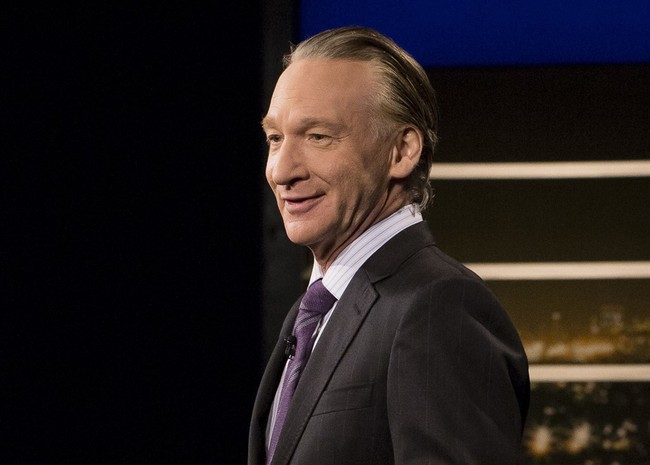
Bill Maher says the Democratic Party has shifted hard left and that shift is pushing longtime supporters to reconsider their loyalties; this piece walks through his criticisms, specific quotes he delivered in recent interviews, and why his comments matter for future elections and moderate voters.
For years Bill Maher has been a vocal Democrat who often criticized his own side, and lately he says that voice is getting louder because the party itself is changing. He argues the Democrats are drifting toward more extreme positions that alienate moderates and classical liberals. Maher frames his concerns as a reaction to real policy discussions and public statements he sees coming from the party’s left flank.
In a sit-down with ABC’s Jon Karl, Maher did not mince words about how he views the party’s direction and where that leaves him politically. He described a pattern of escalating demands and rhetoric coming from activists and segments of the progressive movement. That escalation, he says, has consequences for the party’s relationship with voters who prefer incremental change and stability.
https://x.com/realferaljundi/status/2078866234360332557
“Democrats are cowardly, they’re cowardly,” he said. “Their party is being taken over now, by… every day I hear about a new, very radical…I can’t sit and just not notice stuff,’ he said. “There’s some crazy stuff. When we’re cheering for the intifada, I’m out.”
Maher highlighted how proposals have moved from calls to “defund the police” to talk of “abolish the police,” a jump he called “nutty” and clearly beyond what most Americans would expect. He emphasized that these ideas are no longer fringe talking points but are being aired more openly and loudly within the party. For him, the shift is not symbolic — it alters where he and others might place their votes in future elections.
He has repeatedly suggested his vote could be up for grabs in 2028, telling people it is “in play” and that he might even consider voting for a Republican in some scenarios. Maher still expresses personal dislike for certain figures on the right, but he also notes that if the Democratic Party continues on its current path, he and other independents could walk away. The practical effect is a warning to party leaders who depend on a broad coalition to win national contests.
“Yes, my vote is in play,” Maher exclaimed. “I’m not living in communist America.”
He doubled down on his concern by directly naming what he views as the ideological engine pushing the party leftward: organized groups that advocate systemic change. “I mean, I know the talking point is that it’s not communism and socialism. Okay. I’ve read the quotes from the DSA platform, from their own mouths. Don’t tell me I’m not seeing what I am seeing! And DSA, again, they say things like, you know, take over of key industries, government. That’s communism.”
Maher’s comments are notable because they come from someone who has long identified with progressive cultural critiques while remaining skeptical about extreme policy positions. His critique blends cultural concerns and policy worries, warning that rhetoric about policing, economic control, and foreign affairs is pushing ordinary voters away. That tension between cultural liberalism and political radicalism is central to why he and others are rethinking long-standing party ties.
Political observers see this sort of commentary as a signal that the party’s messaging matters, not just its platform, and that alienating moderates can have real electoral costs. When well-known figures publicly announce their skepticism, it can crystallize doubts among less vocal voters. Whether party leaders notice and recalibrate or continue toward the same priorities will shape the next few election cycles.
Beyond immediate electoral math, Maher’s critique highlights a broader question about coalition-building and ideological boundaries. Parties that lean too far from the views of nominal supporters risk losing their base’s trust, while those who resist change may be accused of ignoring grassroots energy. How the Democrats balance those forces will determine whether they keep moderates engaged or push them toward a different political alignment.


Add comment