
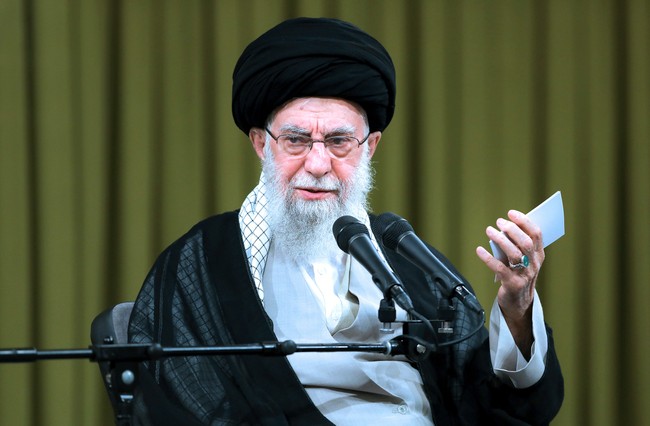
This piece examines recent signals that Iran has reached out for talks even as protests intensify and violence mounts, President Trump’s measured but firm public posture toward Tehran, and how the U.S. response — diplomatic or military — could shape events on the ground.
Iran appears to be probing for negotiations at a moment when protests across the country have hardened into a significant national crisis. That timing makes any outreach look like a last-ditch effort to blunt international pressure and domestic unrest. The outreach, revealed by President Trump, sets up a choice between engaging a hostile regime and demonstrating resolve to those risking everything in the streets.
The president said he was open to speaking but remained skeptical about the value of discussions with Tehran. He also left military options on the table as a way to protect protesters and signal consequences for mass violence. That posture mixes cautious diplomacy with the readiness to apply pressure if the regime crosses lines set by the United States.
Why it matters: Trump’s surprising remarks come as protests in Iran intensify, the death toll rises and the U.S. considers taking military action against the regime.
There is a long history showing that talks under the shadow of credible force can change the bargaining dynamic, but they rarely work when one side is intent on crushing dissent. The Iranian leadership has repeatedly chosen repression overseas and at home, which complicates any sincere diplomatic opening. From Washington’s perspective, a deal now would need to be carefully weighed against the risk of lending legitimacy to a regime killing its own citizens.
Reports from human rights groups and intelligence services put the scale of the crackdown into stark numbers, suggesting hundreds have been killed and thousands detained in widespread unrest. Those figures have raised alarm internationally and sharpened debate about when to move from rhetoric to action. The cruelty of the crackdown has also prompted discussions inside the U.S. government about nonlethal support to protesters and about restoring communications tools shut off by Tehran.
Driving the news: U.S.-based human rights group HRANA on Sunday that more than 544 people were killed and over 10,000 others arrested in the protests that took place in 585 locations across Iran over the past two weeks.
https://x.com/HRANA_English/status/2010472121131012346
- Israeli defense officials told Axios Israeli intelligence assessments indicate that more than 1,000 protesters have been killed.
- Trump said he was receiving hourly updates on the situation in Iran and suggested it is beginning to cross the red line he has set for the Iranian regime. He said some of the protesters had been killed in a stampede and others were shot.
- “There seems to be some people killed that are not supposed to be killed,” Trump told reporters. “These are violent, if you call them leaders, I don’t know if you can call them leaders. They rule through violence.”
The president’s line has been blunt and unvarnished: he will engage if it serves American interests, and he will act if the Iranian government keeps killing its own citizens. That mix of openness to talks and readiness to use force fits a transactional approach to foreign affairs. It also sends a message to allies and adversaries that the U.S. is watching events closely and may respond if repression escalates.
On the tactical side, moving a carrier strike group into the region signals serious intent and raises the cost for Tehran if it continues a brutal crackdown. Military presence is a deterrent and a bargaining chip, but it also risks escalating a volatile situation. The administration is reportedly exploring other means to support dissidents, including ways to restore communications that Iran has tried to cut off.
For protest movements, outside assistance can be a lifeline but also a liability; it changes how the struggle is framed by the regime and by international observers. The Iranian government has long used foreign interference narratives to justify repression, and any U.S. action will be weighed against that propaganda line. Still, the prospect of improved communications or international backing could give protesters critical space to organize and share their story.
The outreach from Tehran, if genuine, raises questions about what the regime hopes to gain and what it is willing to concede. At this point, carrots have to be matched with consequences to be credible. The American response will determine whether the regime’s feelers are treated as earnest diplomacy or as a stalling tactic as the clampdown continues.
The situation is fluid and fraught with moral and strategic choices for policymakers. How Washington balances talks, deterrence, and support for Iranians in the streets will shape whether this moment pressures Tehran to change or simply postpones more violence.
Add comment