
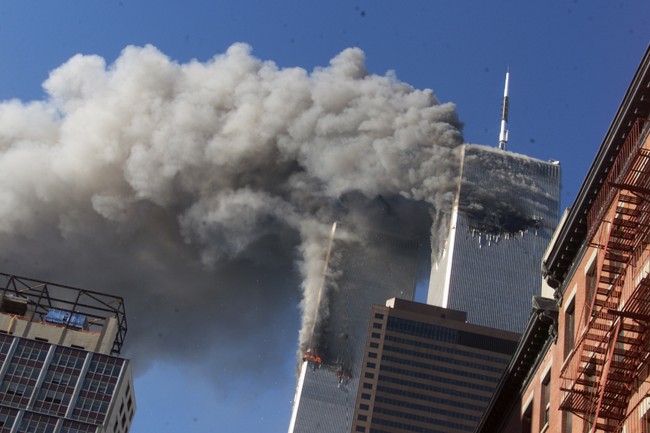
The 25th anniversary of September 11 has refocused attention on long-running identification efforts, and a new application of genetic genealogy is offering renewed hope for families still waiting for closure. This piece explains how the method works, who is using it, and what remains in the backlog of unidentified World Trade Center victims. It highlights official statements, the scale of the task, and the realistic potential for more identifications in the near future.
The trauma of September 11, 2001, is still fresh for families who lost loved ones, and identification work has carried on for decades. Recent advances in genetic genealogy are being applied to remains that resisted earlier methods, aiming to give names to people who have gone unidentified for 25 years. The story centers on a recent success and on how investigators plan to use the technique more broadly.
https://x.com/Trendrop1/status/2091921601411555426
On Monday, officials from the New York City Office of the Chief Medical Examiner and the NYPD Detective Bureau announced they had identified a World Trade Center victim using genetic genealogy. The individual, an adult female, “was the 1,654th victim to be formally identified.” Family members requested privacy and did not come forward publicly.
The Library of Congress explains genetic genealogy as a process that builds family history profiles by combining DNA test results with traditional genealogical research to determine biological relationships. Popular consumer services such as Ancestry.com and 23andMe have made genetic data more available, increasing potential reference points for investigators. That accessibility is a key reason forensic teams can revisit long-cold identification challenges with renewed tools.
Dr. Jason Graham, New York City’s Chief Medical Examiner, described the breakthrough in precise terms and emphasized the change in approach. He said, “It’s a breakthrough. I’m delighted to be able to say that we’ve now applied new methods to the World Trade Center identification efforts, and we have a new identification for the first time in 25 years using new methods, forensic investigative genetic genealogy.” The remark underlines both the novelty and the institutional significance of the step.
NYPD Detective Gregory Paduano expressed a similar, pragmatic optimism about the technology’s future value. He observed, “The technology really wasn’t there. There’s a lot of good future with genealogy.” That comment points to how technological limits can delay results and how removing those limits opens new possibilities for long-standing cases.
Forensic anthropologists and examiners note that genetic genealogy has already been instrumental in solving cold cases unrelated to 9/11, so expanding its use to the World Trade Center effort is a logical progression. Dr. Jennifer Odien, a forensic anthropologist with the New York Medical Examiner’s Office, said, “We already can see that it’s promising. Not every case is going to be able to go through genetic genealogy, but we do have DNA profiles that are not matching to our reference samples, so that’s the group right now that we’re focusing on and that hopefully is going to yield more positive results.” Her point is realistic: the method helps many but not all unresolved profiles.
Current internal estimates place roughly 47 profiles in the category best suited for genetic genealogy testing at this stage. That number represents targeted opportunity rather than the full scope of unresolved cases, but every successful match matters profoundly to families. The focused list lets teams prioritize samples that are most likely to yield meaningful leads.
Despite progress, the scale of remaining unidentified victims remains sobering: approximately 40 percent of the nearly 1,100 victims in certain recovery efforts are still unidentified. That means a substantial portion of those killed at the World Trade Center have not yet been returned to families with confirmed identifications. The long tail of this forensic challenge reflects both the destructive conditions at the site and limits of past technologies.
Investigators stress that genetic genealogy is not a silver bullet and that it will not resolve every unresolved case, but it offers a complementary path forward. Successful identifications require viable DNA, usable reference profiles, and careful genealogical analysis to avoid false leads. When those elements align, the result can finally provide a name and a measure of closure after decades of uncertainty.
Officials frame the work as both scientific and moral. Dr. Graham said, “The World Trade Center was the largest mass murder in the history of the United States, and it represents also the most complex forensic identification effort in our history. And being able to apply new innovations to that identification work is a remarkable way that we can keep our commitment to the families.” The language reflects the intertwining of technical complexity and the human promise behind the effort.
The combination of modern genetic tools and patient investigative work means more families could learn final fates in the coming months and years. As teams continue to test prioritized profiles and refine methods, each identification will represent both a scientific milestone and a deeply personal resolution for those who have waited the longest. The work is far from over, but this application of genetic genealogy marks a meaningful advance in a multidecade effort.
Add comment