
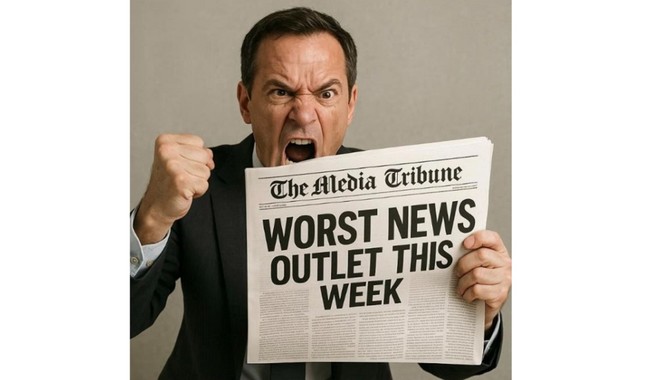
The media sprinted into the new year with big stories and bigger missteps, and this piece tracks who stumbled the hardest in coverage of everything from a high-profile foreign leader to a Minnesota ICE shooting and nationwide fraud claims. I walk through several major outlets, point out patterns of bias and inconsistency, and highlight why one public broadcaster stands out for the wrong reasons.
The week opened with dramatic headlines: a captured foreign autocrat, alleged multistate taxpayer fraud, and an ICE shooting that lit up social feeds and newsrooms. Journalists reacted fast, but speed didn’t always equal accuracy, and partisan framing often led coverage astray. The pileup gave critics plenty to chew on about standards and selective outrage.
The first outlet under scrutiny, National Public Radio, reacted oddly to President Trump calling Nicolás Maduro a dictator, acting as if that label required debate even though similar rhetoric from the left has been normalized. NPR also covered the Minnesota fraud story exposed by Nick Shirley, yet later criticized Shirley’s methods while acknowledging the evidence he found. The pattern reads like unequal yardsticks: some claims get quick amplification, others prompt cautious distancing.
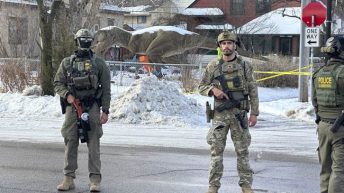
The Washington Post pushed a claim that Trump wouldn’t support Maria Corina Machado because of envy over a Nobel Prize, relying on anonymous sourcing described as “two people close to the White House.” That sort of sourcing invites skepticism rather than certainty. The Post also declared a definitive accounting of the Minneapolis ICE shooting, then had to adjust its narrative when new footage complicated the first take.
The New York Times produced a long-form, frame-by-frame analysis of the Minneapolis videos, aiming for forensic authority while sometimes reading tone into movement and pixels. The paper also said President Trump made claims “without evidence,” and then included reporting that complicated that assertion in the same breath. At times the Times omitted fuller context about public figures linked to controversy, offering softer language than the moment warranted.
On cable, MS NOW personalities pushed a mix of advocacy and reporting that blurred lines. Jacob Soboroff’s segments wandered between commentary and sourcing, and hosts treated the ICE footage as a one-way story without consistently following new developments. During protests in Minneapolis, on-air exchanges highlighted demonstrators’ criticism of ICE and the president, with anchors amplifying partisan voices more than wrestling with contradictory evidence. Jen Psaki praised “citizen journalists” even as full video context emerged that complicated the initial framing.
After a week of messy coverage, PBS NewsHour landed the dubious honor of the week’s most clumsy performer. The program’s cancellation of PBS News Weekend following funding cuts was followed by broadcasts that often read as partisan commentary rather than balanced journalism. On nights after the ICE shooting, the show leaned hard into criticism of federal authorities and the administration, spotlighting activists and officials who framed ICE as a threat to democratic norms.
PBS repeatedly described the officer involved in the Minneapolis confrontation as having been “knocked backward” while also asserting he was “not hit,” a contradiction that raises questions about precision in the language used on air. Coverage of other topics, like the anniversary of the Los Angeles wildfires, tended to sidestep naming prominent political leaders responsible for state policy decisions, which undercuts accountability journalism.
The network also booked familiar media figures to discuss national disasters and policy, including a correspondent turned author who has been a frequent television presence. Recycling the same pundits and reporters on multiple panels deepens the echo chamber and blurs the line between reporting and promotion. PBS’s approach this week often favored narrative framing that fit a particular worldview instead of testing it rigorously.
Across outlets, two threads recur: first, speed and certainty trumped careful sourcing, and second, partisan instincts shaped which facts got amplified and which were minimized. That mix is dangerous in moments when video evidence and eyewitness testimony are still being sorted. News organizations that tried to claim clarity too soon found themselves revising or qualifying key elements after the fact.
The takeaway for readers is straightforward: demand clear sourcing, insist on context, and be wary when outlets rush to a narrative that aligns neatly with their political preferences. Journalists should correct course when new evidence appears and stop treating partisan framing as neutral reporting. The public deserves coverage that privileges facts above talking points, even if that requires patience over headlines.
Add comment