
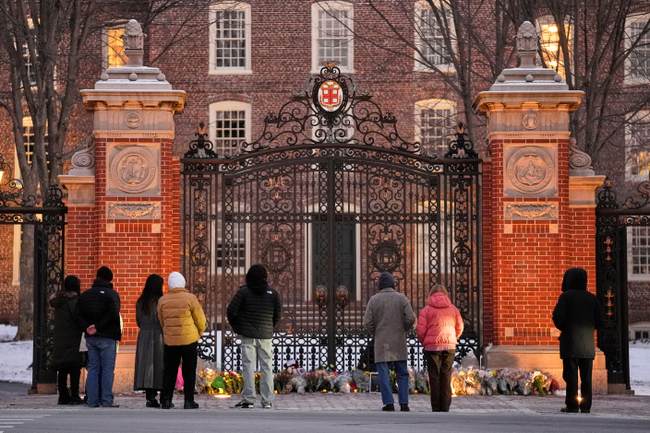
Today’s roundup takes a clear look at recent developments in Washington and on campuses, touching on confirmations, congressional action, legal rulings, the Brown University shooting response, and a few cultural flashpoints that are driving headlines and debate right now.
Friday, December 19, 2025. The week closed with Congress tacking a few items onto its docket before the holiday recess, including another batch of confirmations and passage of legislation aimed at restricting certain medical treatments for minors under Medicaid. The mood in the press rooms and on university campuses has been tense after a deadly campus shooting, and the public reaction has highlighted how officials present information in moments of crisis.
The Senate approved a third en bloc of nominees, boosting the GOP’s confirmed total to 417, a figure the piece noted exceeds the pace from either President Trump’s first year or President Biden’s White House tenure. Key names in the group include a former congressman who will serve as an inspector general and several picks for labor oversight bodies and a deputy U.N. post.
The House passed H.R. 498, the Do No Harm in Medicaid Act, by a narrow margin, a move framed as protecting children and taxpayer dollars by banning federal Medicaid funding for certain gender transition procedures on minors. The article quoted congressional statements: “The Do No Harm in Medicaid Act helps strengthen, sustain, and secure our Medicaid program by ensuring federal Medicaid funding is not used for medically unnecessary care for minors,” and “Using Medicaid for unscientific, irreversible procedures on minors is an abominable betrayal of our most vulnerable.”
On the White House calendar, the president planned a Friday announcement from the Oval Office at 1:00 PM Eastern, a Christmas reception in the Grand Foyer at 5:45 PM Eastern, and evening remarks on the economy in Rocky Mount, North Carolina at 9:00 PM Eastern. The administration also highlighted policy items, with a cabinet official promoting what’s being called the Warrior Dividend as part of the national security messaging.
Several court decisions landed late in the week. The D.C. Circuit denied a petition for rehearing in a records-retention matter, while another freedom of information suit was dismissed in D.C. federal court. A Central District of California judge entered final judgment in an immigration detention case for the plaintiffs, with the administration appealing. The piece also reported a high-profile criminal verdict from Milwaukee involving a judge found guilty of obstruction.
The Brown University shooting prompted a delayed press conference that left many viewers frustrated. Officials spent a substantial portion of the briefing praising their teams and the investigative partners before getting to critical facts, and the article criticized that approach as self-congratulatory in the face of a tragic event.
Authorities later identified the suspect and revealed he was suspected in a separate shooting of an MIT professor. A now-homeless former Brown student named John provided a tip that helped move the case forward after authorities released footage showing him as a person of interest. Officials praised John’s cooperation, but the piece argued that much of the presser focused on officials patting themselves on the back before acknowledging his role.
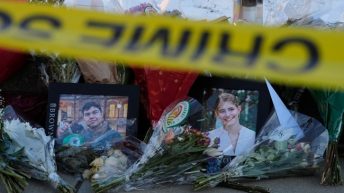
The article emphasized the human cost of the incident and said the public-facing handling of the situation was “utterly disastrous,” calling attention to how communication choices can compound pain for victims and communities. It noted that the suspect appears to have died by suicide, bringing complicated questions about motive and public safety to the fore.
Beyond the campus crisis, the roundup highlighted cultural stories that are drawing heat, including debates over protests and weapon simulations, and a critique of elite institutions where behavior and judgment are under scrutiny. The piece quoted a blunt assessment: “The absolute morals and prudence vacuum in the Ivy League has been exposed,” reflecting a wider narrative about accountability in higher education.
The coverage also referenced other regional incidents and arrests, noting concerns about media framing and the types of stories that get downplayed or emphasized. One passage argued the establishment media resists scrutiny of certain immigration and refugee policies for ideological reasons and quoted a pointed line about beliefs and public safety concerns.
Looking ahead, the president’s travel to Davos for the World Economic Forum in January was mentioned as a coming attraction, and the political calendar will remain heated as confirmations, legal battles, and cultural flashpoints continue to collide. The piece underscored the political stakes and the public appetite for clear, decisive communication from officials.
Finally, lighter notes appeared alongside hard news, and the story included several embedded items meant to supplement the reporting and provide direct context from official statements and multimedia elements that accompanied the original coverage.
Sec. War – Pete Hegseth — Hegseth is touting the Warrior Dividend announced by President Trump.
It’s worth watching how the administration and Congress handle these last-minute items before the holiday pause, because the decisions made now set the tone for an intense electoral and policy year ahead. Transparency, competence, and a focus on citizens rather than institutional self-promotion were central themes criticized in the week’s coverage.
It’s always the .


Add comment