
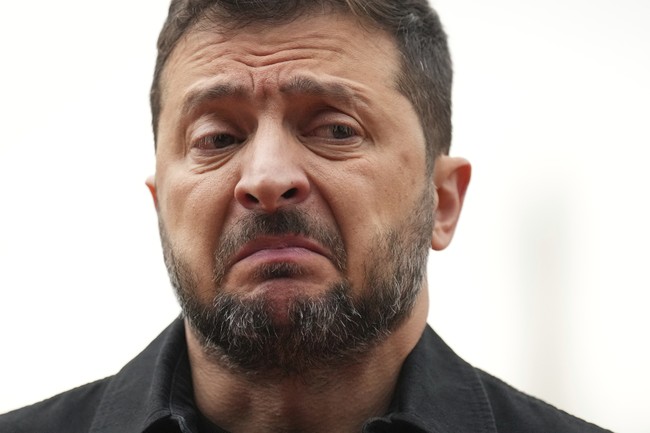
At the Johannesburg G20, allies pushed back against a 28-point peace plan brokered between the U.S. and Russia that would force major Ukrainian concessions. President Trump stayed away from the summit, while European leaders scrambled to defend Ukraine’s interests and pledge continued financial and military support. The talks revealed deep divisions over whether to accept a deal that would cede large swaths of Ukrainian territory and sharply limit Kyiv’s armed forces. That split shapes what comes next for NATO partners, Ukraine, and the broader balance of power in Europe.
Most G20 leaders gathered in Johannesburg while President Trump opted out of the meeting, citing concerns about South Africa’s treatment of its white minority. His absence meant that the 28-point proposal, negotiated between the United States and Russia, was being debated by others without him in the room. The plan demands Ukrainian concessions that would include surrendering contested regions and ceding any claims to Crimea. Predictably, Kyiv has little appetite for terms that would erase its sovereignty over key territories.
Leaders of Europe’s most powerful countries plan to meet Saturday on the sidelines of a global summit in Johannesburg to discuss a response to President Trump’s latest proposal to end the Russia-Ukraine war.
The proposal, a 28-point plan, calls for Ukrainian concessions already largely rejected by the country’s president and allies, including demands for land and limits on the size of Ukraine’s military. President Trump has given President Volodymyr Zelensky of Ukraine until next week to agree to the plan, backing him into a seemingly lose-lose scenario as he faces the risk of losing crucial American support if he does not accept.
European leaders now face increased pressure to show they can get Ukraine the economic and military support it needs to continue battling Russia without U.S. support.
The core of the plan would require Ukraine to relinquish the Donbass and other contested areas, drastically reduce its armed forces, and abandon claims to Crimea. That is a tough sell for Kyiv, because it would leave the country vulnerable to renewed aggression and reward a revisionist Russia. European capitals have signaled they are unwilling to simply hand over long-held principles about territorial integrity for the sake of a quick cease-fire. Instead, they appear bent on finding a way to keep Ukraine fighting if necessary and to harden sanctions on Moscow.
European Commission President Ursula von der Leyen was blunt at the summit, saying, “Nothing about Ukraine without Ukraine,” and stressing continued funding and sanctions. Her words set the tone for leaders who do not want to be seen as cutting Ukraine off at a moment of peril. Britain’s Prime Minister Keir Starmer also indicated a willingness to work with partners to “strengthen the Trump plan ‘for the next phase of negotiations,'” saying, “We cannot simply wait for peace,” and “We must strain every sinew to secure it.” Those statements show Europe trying to thread a needle: keep pressure on Russia while avoiding abandonment of Ukraine.
On Saturday, Prime Minister Keir Starmer of Britain said in a statement that the leaders in Johannesburg would discuss how to secure a cease-fire and strengthen the Trump plan “for the next phase of negotiations.” “We cannot simply wait for peace,” he said. “We must strain every sinew to secure it.”
For many in Kyiv and among its backers, the Trump-Russia draft is nonstarter because it would institutionalize losses and neuter Ukraine’s ability to defend itself. Accepting terms that strip away eastern provinces and limit military capacity risks making Ukraine a perpetual target for future Russian adventures. Supporters of a tougher line argue that deterrence and robust sanctions, backed by weapons and money, provide the best chance to secure a durable peace on favorable terms. Giving away territory as the price of agreement sets a dangerous international precedent.
The summit did produce a non-binding final declaration that mentions the conflict and calls for peaceful resolution without force, a phrasing that critics said commits little. Vincent Magwenya, speaking for South Africa’s presidency, said the declaration was agreed by those present, including Russia, but it carries no enforcement. That kind of language offers diplomatic cover without changing battlefield realities; skeptics noted that a non-binding pledge is a poor substitute for real guarantees. As one commentator quipped, symbolic words without action are about as valuable as loose change.
Behind closed doors, European leaders are weighing options to keep Ukraine supplied and supported even if Washington’s posture shifts. That calculus includes increasing financial packages, accelerating weapon deliveries, and tightening sanctions to raise the cost for Moscow. The hard political question is whether Europe will shoulder more of the burden long term or press the U.S. to reassert leadership. Either way, the Johannesburg meeting underlined that Western unity is fraying across fault lines of strategy, not purpose.
The situation remains fluid, with negotiations and diplomatic maneuvering likely to continue over the coming days and weeks. Expect more public declarations, private lobbying, and urgent consultations among allies as they test whether a middle ground can be found. For now, the central fact is clear: Kyiv rejects surrendering territory and Europe is trying to show it will back Ukraine without simply rubber-stamping a deal that rewards Russian aggression. The next moves will determine whether a negotiated end can protect Ukraine’s future or whether the conflict will remain unresolved.

Add comment