
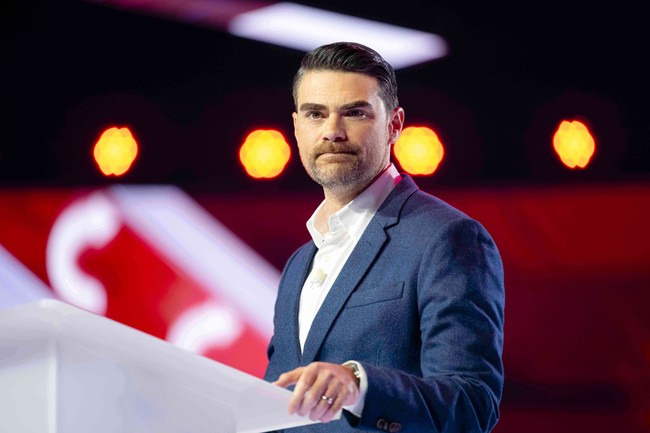
Ben Shapiro opened the first AmericaFest since Charlie Kirk’s death with a fiery speech that called out fellow media figures, defended conservative principles, and pushed for truth over theatrics at a time when the movement needs clarity and focus.
Turning Point USA’s AmFest gathered activists and speakers in Phoenix to honor Charlie Kirk’s legacy while wrestling with the direction of the conservative movement. Ben Shapiro followed TPUSA CEO Erika Kirk onstage and used his platform to stress that loyalty to principle matters more than media stunts or personality-driven outrage. The event felt both solemn and sharp, a mix of tribute and a call to sober action for activists and leaders alike.
Shapiro began by praising Erika Kirk as “a heroic figure and true American patriot” and acknowledged the bittersweet nature of convening without Charlie, calling him “an irreplaceable human being.” That set a serious tone: this was not a spectacle, he said, but a continuation of work Charlie started. The remarks framed the rest of the talk as a defense of conservative institutions and of the people who keep them steady.
When Shapiro moved to the core of his message, he did not hold back criticism aimed at high-profile figures in conservatism and conservative media. He warned that the movement faces a dual threat: attacks from the left and confusion from internal voices who, in his view, traffic in conspiracy and grievance. That critique was blunt and uncompromising, aimed at steering attention back to policy and principle over performative outrage.
“Today the conservative movement is in serious danger, not just from the left that all too frequently excuses everything up to and including murder,” Shapiro said. “The conservative movement is also in danger from charlatans who claim to speak in the name of principle but actually traffic in conspiracism and dishonesty, who offer nothing but bile and despair, who seek to undermine fundamental principles of conservatism by championing aggravation and grievance. These people are frauds, and they are grifters, and they do not deserve your time.”
He singled out a few individuals by name, arguing that some popular commentators and podcasters have traded serious debate for showmanship. Shapiro described Candace Owens as having used her platform in recent months to “cast aspersions” on TPUSA leadership and to “spew baseless trash” following Charlie Kirk’s murder. That critique was personal and pointed, framed as a warning against tearing down conservative institutions during a time of vulnerability.
Shapiro also reserved harsh words for Tucker Carlson, condemning Carlson’s choice to host extremist figures without robust challenge. He called out the habit of hiding behind rhetorical questions rather than confronting dangerous ideas head-on, arguing that “just asking questions” is insufficient when guests espouse hateful or destructive views. The intent was to force a discussion about responsibility on conservative platforms.
On Megyn Kelly, someone he described as a friend, Shapiro pushed back against what he called a problematic defense of Owens based on motherhood. He criticized the framing that personal circumstances should shield someone from accountability for their words. He then called Megyn’s recent line “a moral and logical absurdity” when it sought to avoid criticism by invoking empathy rather than engaging the argument.
Shapiro did not shy from naming the rhetoric he finds intolerable. He referred to Nick Fuentes with harsh language and rejected any soft-pedaling of extremist views as merely conversational. The emphasis throughout was consistent: conservative leaders and media must police their platforms and refuse to normalize ideas that undermine the movement’s moral and intellectual foundations.
The reaction from the AmFest crowd was telling; Shapiro noted that the audience’s response was more stunned and uncertain than exuberant. That hesitancy suggested to him that the talk hit nerves and raised real disagreements within the conservative coalition about tone and tactics. In his view, those tensions require honest debate rather than retreat into factionalism.
AmFest’s schedule promised more notable speakers through the weekend, including political figures and commentators who will likely continue this conversation on direction and discipline in the movement. The event served as both tribute and test: can conservatives debate hard questions without letting internal conflicts eclipse the broader goals of reform and governance?
Shapiro closed by pressing for clarity, truth, and commitment to enduring principles over the short-lived currency of outrage. For a movement still reeling from loss and under pressure from political opponents, his message was a reminder that credibility and conservatism depend on steady leadership, intellectual rigor, and a refusal to reward bad-faith actors.


Add comment