
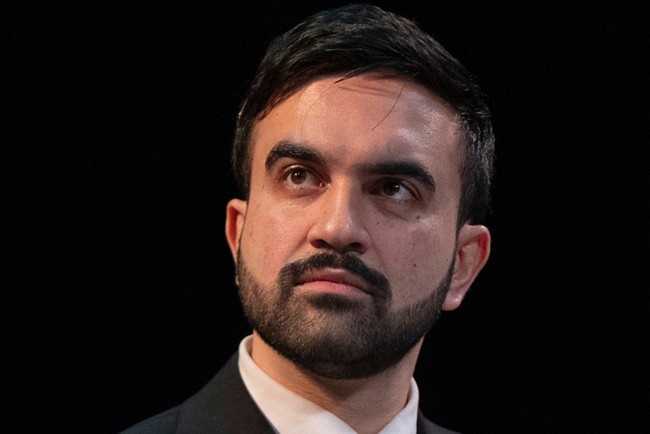
Checklist: I will critique the new tax policy, explain who it hits and how, outline likely economic fallout, question the fairness argument from the left, and highlight public reactions through embedded posts. This article focuses on Mayor Zohran Mamdani’s new pied-a-terre tax and its consequences for New York residents and the economy.
The new pied-a-terre tax pushed by Mayor Zohran Mamdani is being celebrated by socialists as proof their approach works, but the reality looks much harsher for everyday New Yorkers. This policy targets second homes valued at $1 million or more, expanding the reach beyond ultra-luxury properties. The claim that it captures only the wealthiest is misleading to anyone who owns a modest second property in the city.
— David Marcus (@BlueBoxDave)
Experts estimate this tax could effectively double property bills for many owners, not just the ultra-rich. That shift puts middle-class owners who have a city pied-a-terre at risk of sudden, dramatic tax hikes that weren’t in their plans. When policy changes hit a broad swath of homeowners, the ripple effects on the local economy are immediate and painful.
The results, of course, will be bad.
https://x.com/patrickbetdavid/status/2080470152378712087
Property owners with means tend to be mobile; when taxes bite, they evaluate whether New York still makes sense. If the wealthy and even moderately well-off decide the city is no longer worth the cost, they will move their money and spending elsewhere. A city that alienates the people who invest and hire risks losing not only tax revenue but also jobs, philanthropy, and the small businesses that depend on their presence.
Politicians promise that taking money from the so-called “rich” will fix shortfalls, but the pattern rarely stops there. Once a government grows used to raiding one class’s wealth, the definition of who can be taxed expands over time. That historical lesson matters now, because many residents who never expected to be targeted could find themselves paying more and getting less in return.
The “fair share” talking point from the left sounds neat in sound bites but collapses under scrutiny. Yes, higher earners pay substantial taxes, but blanket assertions about fairness ignore how taxes interact with behavior and mobility. You can raise rates, but you can’t force investment, jobs, or creative risk-taking to stay; they follow opportunity and predictable policy, not rhetoric.
New Yorkers already carry a high tax burden, and this policy suggests administrators believe they can keep raising rates indefinitely. Yet rising revenue targets don’t guarantee better services or safer streets, and those are the basics people actually expect from local government. Homeless encampments in parks and public safety gaps won’t be solved by another revenue grab unless officials actually prioritize and execute sensible policies.
Beyond the economics, there’s a political cost to celebrating punitive measures aimed at neighbors and visitors. Leaders who gloat about taxing housing drive a wedge through communities and send a message that they favor coercion over growth. That attitude discourages the cooperation and investment cities need to thrive.
People had some thoughts about the theater kid’s post.
The debate around this tax highlights a broader divide: whether city governments focus on cultivating opportunity or rely on extracting more from those who still contribute to its vibrancy. If New York wants to remain competitive and safe, it needs policies that encourage people to put down roots, not policies that push them away. Right now, the pied-a-terre tax looks less like a revenue fix and more like a step toward shrinking the city’s economic base.
Policy makers should remember that taxes are a tool, not a virtue in themselves, and that indiscriminate taxation often produces unintended consequences. A city facing declining revenues and falling services can’t simply blame the wealthy; it must rethink priorities, cut waste, and create an environment that attracts investment and families. Until that happens, the fallout from this tax will be a cautionary tale for any urban leader tempted to punish rather than build.

Add comment