
The RedState Weekly Briefing roundup covers the week’s top stories: Russia signaling to Iran, a surprise GOP primary concession in North Carolina, Sen. John Kennedy’s fierce rebuke on Senate decorum, the UAE minister’s blunt take on Iran, and a controversial change to U.S. currency—each item reflecting the political moment and conservative reactions.
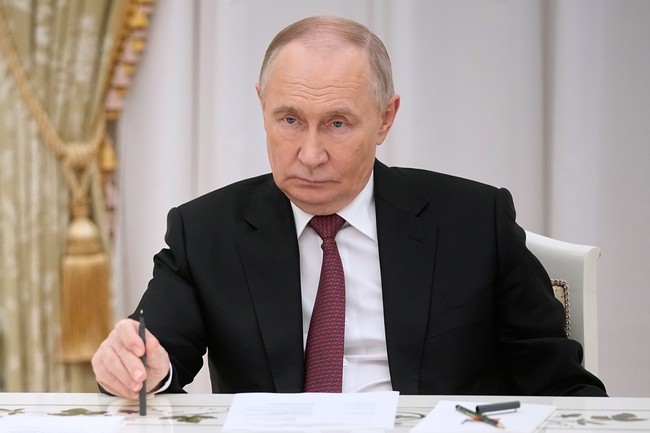
The week opened with an unexpected international twist as Russia sent a clear message to Iran about how to respond to U.S. actions, a development that forced observers to rethink standard narratives. That story has roiled domestic debate because it undercuts a familiar line from Democrats about supposed cozy ties between certain U.S. politicians and Russia. Conservatives viewed the move as evidence that American strength and decisive action can reorder alliances and expectations abroad.
Back home in North Carolina, a long-serving state senate leader conceded a GOP primary in a result that surprised many and reshaped the state’s legislative chessboard. The concession marked one of several incumbents who lost before the general election, signaling a hunger for change among voters and a recalibration of power within the party at the state level. For conservatives who have prioritized issues like redistricting, schools policy, and border cooperation, this was read as a warning shot to entrenched leadership.
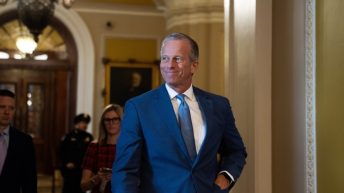
Sen. John Kennedy dominated coverage with a forceful demand that his colleagues stand and defend their positions publicly, a rebuke aimed at what he called cowardly tactics in the Senate. He insisted members should face the American people and explain their objections instead of shouting and fleeing, invoking the dignity of the chamber. The full quote captures his frustration and remains a focal point for debates about accountability inside the upper chamber: “If a member of this body disagrees with what I’m doing, they by God they ought to come down here and stand up in front of the United States Senate, and stand up in front of the American people, and stand up in front of God and stand up in front of (the) country, and stand up in front of all these people, these good people who aren’t being paid, and say ‘here’s why.’ Maybe we need to change the Senate rule, Mr. President.”
That quote stood within a longer assessment that faulted a colleague’s abrupt retreat from debate and criticized behavior that undermines the institution. Conservatives responding to the episode framed it as a defense of order and transparency, arguing the public deserves straight answers from elected officials. The larger conversation touched on how rules and norms should be enforced when parliamentary maneuvers block basic pay and benefits for federal workers.
The Middle East remained central, with a UAE minister bluntly recounting Iran’s missile and drone attacks and declaring that Tehran had miscalculated regional reactions. She noted Iran fired more than 2,200 missiles and drones at the UAE instead of negotiating over long-standing regional concerns, and she concluded that the violence failed to produce the strategic outcome Tehran sought. Her words echoed across conservative circles as vindication for a tougher stance and for holding bad actors to account rather than negotiating from weakness.
Another story that grabbed attention was an announcement tied to U.S. paper currency that stirred partisan reaction, claiming a historic change and linking names to designs in a way that breaks longstanding traditions. The piece highlighted that certain names would appear alongside others on currency and noted approval of special commemorative items that feature high-profile figures. In the original coverage a quoted passage explained the mechanics and symbolism: “[Trump’s] name will appear alongside that of Treasury Secretary Scott Bessent. As a result, the U.S. treasurer, whose name has been on the currency for more than a century, will not appear on the currency.”
The currency news fed into broader cultural and political debates about recognition, legacy, and who gets commemorated by the state. That discussion also overlapped with conversations about how symbolic moves can energize supporters and infuriate opponents, especially when they break with century-old norms. Many conservatives framed these changes as overdue corrections that reflect shifting political realities.
Across these stories, a recurring theme is the contrast between bold action and equivocation—whether on the international stage, in state politics, or inside Congress. Voters and readers this week reacted strongly to displays of firmness, and conservative outlets emphasized how those moments revealed broader truths about leadership and accountability. The tone of coverage leaned into skepticism of established narratives and celebrated moments that challenged the status quo.
Finally, the briefing pulled together a mix of national and local developments to map where conservative priorities intersect with public sentiment and political strategy. From international signaling to intra-party shakeups to procedural fights in the Senate, the week showed how events at different levels can reinforce one another. These stories will likely feed into ongoing debates about strategy, messaging, and the kinds of leaders voters expect going forward.
Democrats are furious that President Donald Trump took action against Iran with Operation Epic Fury.
But one of the things that you won’t hear from them is how his action puts paid to one of their favorite fictions about Trump – the Russia collusion fiction, that Trump is somehow in the pocket of Russia. Well, he’s pounding one of their principal allies, which he would not do if he were in Putin’s pocket. So once again, the Democrat narrative gets blown up.
Berger’s concession brings the total to nine NC General Assembly incumbents – three Democrats and six Republicans – who lost their reelection bids well before the general election.
As we noted before, Berger has been serving in the NC General Assembly since 2001. In 2011, he became State Senate leader and has been called the most powerful man in state politics. He has been instrumental in many GOP legislative victories on issues like redistricting (as recently as late 2025), crime, the Second Amendment, ICE cooperation, anti-DEI in public schools, increased oversight of higher education, pro-life and anti-trans causes, and neutering the power of the governor while increasing the power of the legislature – against the objections of our Democrat governors, of course.
Senator Kennedy shouted:
If a member of this body disagrees with what I’m doing, they by God they ought to come down here and stand up in front of the United States Senate, and stand up in front of the American people, and stand up in front of God and stand up in front of (the) country, and stand up in front of all these people, these good people who aren’t being paid, and say ‘here’s why.’ Maybe we need to change the Senate rule, Mr. President.
Unless we later learn that Senator Schatz did, as Senator Kennedy graciously suggested, suddenly fall ill, then this was a perfectly shameful performance. This is the United States Senate. This august institution is supposed to include members who can marshal arguments and present them coherently. It is unworthy of the Senate to house a coward who yells out an objection and flees, just to halt a resolution – a resolution aimed at upping the incentive to get TSA agents, federal employees, paid again.
Nusseibeh said Iran fired over 2,200 missiles and drones at the UAE, rather than negotiate over “well-understood concerns” about its nuclear program, over its ballistic missile program, and over its support for non-state terrorist actors.
Iran apparently thought this would split the UAE off and make them encourage the U.S. to stop. But the opposite is true, “This is a really ruthless regime, and President Trump is right to hold it to account today,” she declared.
Iran has just ticked them off even more, just like with Saudi Arabia.
[Trump’s] name will appear alongside that of Treasury Secretary Scott Bessent. As a result, the U.S. treasurer, whose name has been on the currency for more than a century, will not appear on the currency.
https://t.co/yUY5iKw0ZA


Add comment