
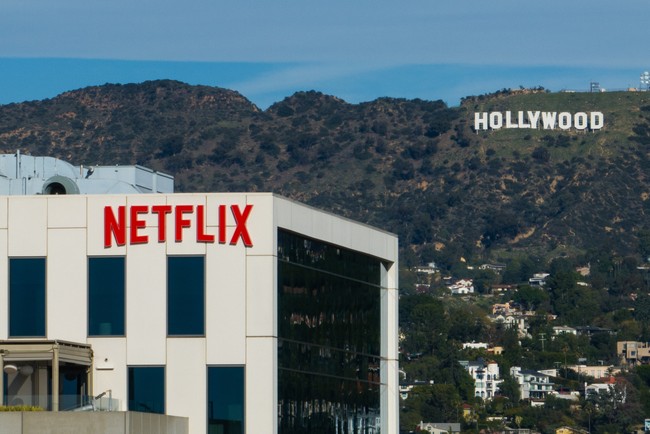
Donald Trump fired a terse warning at Netflix over its proposed takeover activity, arguing that a Netflix-Warner Bros. Discovery tie-up would concentrate cultural power and push progressive narratives across entertainment. The story traces reactions from a constitutional attorney’s article, concerns about content and children’s programming, competing bids for WBD, and the political angle that has elevated the deal into a public debate.
Donald Trump posted a direct message on social media demanding, “Stop the cultural takeover.” He was reacting to an article by constitutional attorney John M. Pierce that raised alarms about Netflix’s bid for Warner Bros. Discovery and the cultural consequences of a massive media merger. The claim is that the proposed deal would reshape Hollywood and place enormous influence over film and television content into a single corporate entity.
Netflix’s bid to acquire Warner Bros. Discovery (WBD) is not simply another Hollywood deal. It is an attempt to consolidate unprecedented cultural power inside one of America’s most ideologically aggressive corporations — a company that has repeatedly used its global platform to elevate progressive narratives while suppressing dissenting viewpoints.
Pierce framed the merger as more than commerce; he described it as a political and cultural move with long-term consequences. Trump’s public comment amplified that view and pushed the discussion into the political arena, turning what might have been a regulatory review into a flashpoint for culture-war debates. That shift complicates regulatory scrutiny and public perception at the same time.
Analysts note the merger would need federal approval and would combine Netflix’s massive streaming reach with WBD’s storied film and television library. Critics worry that combining content libraries and distribution power gives the merged company leverage over pricing, release strategies, and what kinds of stories get funded. The worry extends to creative labor and market dynamics, where a dominant platform can shape incentives and norms across the industry.
Netflix needs federal approval for the blockbuster merger, which would combine the world’s largest streaming platform with WBD’s streaming service and one of the most valuable film and television libraries in history.
Critics argue the merger would concentrate unprecedented power over the streaming video and entertainment markets in a single corporation, Netflix.
A combined Netflix-WBD entity would control a dominant share of premium scripted content, global streaming distribution, and major intellectual property franchises, giving it outsized leverage over pricing, release windows, creative labor, and cultural narratives.
The merger debate mixes complaints about content with antitrust concerns. Many conservatives and other critics point to Netflix’s recent slate and editorial choices as evidence of an ideological tilt, citing examples they say are gratuitous or inappropriate for young viewers. Specific shows and scenes have been singled out as pushing progressive agendas in ways that feel forced to some audiences.
Among the flashpoints critics mention are sexualized material in programming aimed at or accessible to children, and inclusion of scenes that foreground characters’ sexual identities even in high-stakes plot moments. Those critics argue these creative choices are part of a broader pattern rather than isolated incidents, and that consolidation would extend that pattern to more of the media ecosystem. That line of argument holds that bigger reach equals greater cultural influence, and that influence matters for what stories and values are normalized.
Supporters of the deals have counterpoints about market competition and creative freedom, and there is a competing bid on the table from Paramount Skydance for Warner Bros. Discovery. Observers say the rival offer may be financially attractive but that studio executives are weighing ideological alignment as well as dollars. The result is an unusually political M&A contest where cultural affinity and corporate strategy intersect.
Those watching the process expect regulators to interrogate both the economic and cultural stakes. Antitrust review tends to focus on consumer prices, market concentration, and competitive barriers, but public pressure and political statements can broaden the scope of scrutiny. With the story now threaded through social media and political commentary, the merger review is playing out in courtrooms, boardrooms, and town halls alike.
Pierce accused Netflix of promoting progressive narratives while marginalizing dissenting viewpoints.
Pierce argued that WBD’s assets are not merely commercial properties, but cultural institutions whose consolidation under Netflix would create what he described as the most powerful cultural gatekeeper the United States has ever seen.
The dealmakers keep negotiating and the process will likely be long and complex, with multiple bidders and intensive regulatory review. For many citizens the debate is less about spreadsheets and more about whether one corporate entity should have such a dominant role in shaping popular culture. As the legal and business discussions continue, the argument over cultural influence will remain front and center and will shape how officials, creators, and audiences respond.


Add comment