
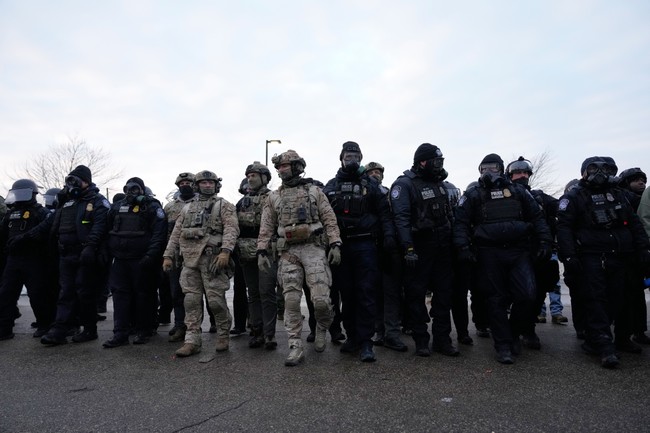
This piece argues for robust enforcement of immigration law, makes the case for backing ICE agents, examines recent violent incidents tied to interference with operations, and calls for decisive action to restore public safety by removing criminal undocumented immigrants from the country.
The men and women of ICE carry out a difficult, dangerous job that too often gets mischaracterized in the media. Some outlets and politicians have labeled their actions with inflammatory terms like “Gestapo,” “Nazis,” “the SS,” “fascists,” and more, and that kind of rhetoric matters. When law enforcement is smeared, it reduces public trust and makes it harder for officers to do their jobs protecting citizens.
We should recognize the human cost when law enforcement work is obstructed or vilified. Two Americans, Renee Nicole Good and Alex Pretti, lost their lives in situations tied to clashes around enforcement actions. Those deaths deserve sober attention, not politicized labels, especially when available video evidence complicates the simplified narratives pushed by some media outlets.
Both incidents demonstrate how chaotic scenes can escalate when bystanders insert themselves into active operations or when individuals intentionally attack officers. In one case, video shows Good striking an ICE agent with her car, and in another, Pretti reportedly engaged officers while armed and involved in prior altercations with law enforcement. These are not abstract threats; they are tangible moments that put agents and the public at risk.
New footage has recently emerged that further complicates the public story around these events. In that footage, Alex Pretti is alleged to have spit at officers and damaged a patrol vehicle by kicking out a taillight. When reporters or outlets omit these elements, they shape a false impression that can inflame passions and encourage more interference with lawful operations.
That selective coverage does more than mislead; it can inspire organized obstruction by ideologues who think disrupting law enforcement helps their cause. Sanctuary policies and activist campaigns that block access to detention facilities or that instruct local officers to ignore certain federal requests undermine coordinated enforcement and create safe havens for dangerous individuals. The result is predictable: more crime, less accountability, and communities that suffer the consequences.
Restoring law and order requires clarity about enforcement priorities and support for those tasked with carrying them out. Deporting criminal noncitizens who pose threats to public safety is not a vendetta; it is a legal and practical step to reduce recidivism and protect communities. Removing the worst offenders is an essential element of a functioning immigration system and of common-sense public safety policy.
Political leaders should stop amplifying misleading narratives and instead direct resources where they make the biggest difference: securing borders, coordinating with state and local partners, and ensuring ICE can access detention facilities when warranted. Administrations that hesitate or cave to pressure from activist groups risk allowing dangerous individuals to remain at large and repeat harmful behavior.
Public support matters. Agents who face harassment while doing their jobs need clear backing from elected officials and from the public so they can carry out arrests and removals lawfully and safely. That support should include clear rules of engagement, adequate staffing, and legal tools that let officers coordinate across jurisdictions to protect citizens.
There is a practical, moral case for enforcement: the state has a responsibility to defend its citizens from criminality and to maintain the integrity of immigration laws. Allowing politics or sensationalized reporting to obstruct that duty only endangers ordinary Americans who want secure streets and functioning communities. For those reasons, the policy prescription is straightforward — prioritize the removal of criminal noncitizens and give law enforcement the backing they need to do it safely and effectively.



Add comment