

This piece examines recent reports that left-leaning groups are placing curricula and training materials in K-12 schools that promote collectivist ideas and pro-Palestinian narratives, outlines which organizations are involved, highlights components of the materials, and raises concerns about ideological influence on students and teachers nationwide.
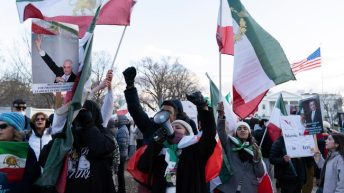
Footage from various protests suggests a recurring pattern: professional activism swapping props and slogans to support different causes. What reads as grassroots energy often turns out to be coordinated messaging, with the same organizers and networks showing up under new banners. When protest signs and symbols migrate into classrooms, it deserves scrutiny from parents and taxpayers.
We were given slides like this one explaining how the terms collectivism and “interdependence” were necessary concepts linked to student “success” and “harmony”. K-12 schools are grooming children to think like communists and to abandon individualism.
A watchdog called Defending Education has been tracking curriculum and training that, it says, embeds leftist ideology in public schools. It identified two organizations, PARCEO and Project48, as distributors of materials intended for both teachers and students. Those materials reportedly push skepticism toward one side of a complex conflict while framing another side primarily as victims.
PARCEO describes itself as a community research and education center focused on justice work across many topics. Project48 says its purpose is to center Palestinians in the telling of their history, offering educational materials, eyewitness testimony, and artifacts. Both operate in a political and cultural space where educational content can double as advocacy.
The pair produced what they call the Palestinian Nakba Curriculum, which examines the events around 1948 and frames Palestinians as victims of dispossession. The curriculum includes passages about “what’s been hidden and erased, what’s been built over, stolen, destroyed, and what remains.” That framing drives classroom narratives toward a specific interpretation without equal treatment of other perspectives.
Parts of the curriculum single out a “pervasive Zionist narrative” and discuss the “enactment and reality of Zionist colonization in Palestine” along with supposed Israeli “intentionality.” It also dedicates a section to antisemitism, though critics note it omits major historical anchors such as the Holocaust while repeatedly invoking the term “white nationalism.” That selective approach raises questions about balance and historical context.
Other resources linked to progressive activist groups include materials on whiteness and racism, notably a “Phenomenology of Whiteness” and a “White Awareness Handbook For Anti-Racism Training.” One excerpt declares that white nationalist violence has been rising in the U.S. and lists Jews alongside other groups as targets, characterizing threats in broad, intersectional terms. For many parents and educators, such language feels like moralizing rather than neutral instruction.
An event in Oakland organized by a local teacher shows how these efforts move from training into classrooms. Programs like this reportedly gained traction in New York and California as early as 2023 and continued into 2025. The pattern suggests a coordinated roll-out of materials that appeals to certain districts and educators predisposed to progressive pedagogy.
Critics argue this is more than an organic shift in classroom priorities; they say it’s an orchestrated campaign to change how children view individualism, citizenship, and national history. From a Republican perspective, the key concern is preserving public education as a neutral space where facts and multiple viewpoints are presented, not where a single political narrative is promoted. Parents expect schools to teach critical thinking, not activism dressed as curriculum.
The presence of activist-designed materials in schools highlights a broader debate about who decides what children learn and how civic education should shape young minds. Transparency about funding, authorship, and pedagogical goals is essential when external groups supply classroom content. Citizens and school boards will need to decide whether these materials meet standards for balance and historical accuracy.
Stewardship of public education belongs to communities and elected officials accountable to voters. When outside organizations introduce ideologically charged curricula, the conversation should be about standards, academic integrity, and parental rights. The future of classroom content depends on clear lines between education and advocacy.
Maybe they are in the blue states. But the red states parents still have some say on what they want their children to study. Parents in red states aren’t slaves to the Democrat party like they are blue states.