
Checklist: explain how Gavin Newsom’s admission on taxpayer-funded healthcare for undocumented immigrants matters, recap federal and state findings on the program, highlight political consequences for Democrats, include original quotes and embeds exactly as provided.
Democrats spent weeks insisting they were not asking for taxpayer-funded healthcare for undocumented immigrants during the Schumer Shutdown, but the facts and recent statements tell a different story. California’s policies and a string of official findings show how state-level moves can turn into national political liabilities. The conversation matters because it ties federal funding, state practices, and voter frustration together in a way Republicans can use in campaigns.
During the shutdown, Democrat House Minority Leader Hakeem Jeffries (NY-08) said, “Federal law prohibits the use of Medicare, Medicaid, the Children’s Health Insurance Program, and the Affordable Care Act to provide health insurance in any way, shape, or form to undocumented immigrants—period, full stop. Democrats aren’t trying to change that.” That line was repeated as a reassurance, but it did not reflect everything happening behind the scenes. Actions by state officials and documents from federal watchdogs showed a very different pattern.
California quietly expanded access and used accounting maneuvers to channel large sums into care for undocumented residents through Medi-Cal. Medi-Cal is the state’s Medicaid program and is funded by both state and federal dollars, and California lawmakers and administrators found ways to stretch provider taxes and other mechanisms to cover these costs. Those moves drew scrutiny and a formal federal review, which delivered uncomfortable findings for state officials championing the program.
A May 2024 HHS Inspector General Report found that “California Improperly Claimed $52.7 Million in Federal Medicaid Reimbursement for Capitation Payments Made on Behalf of Noncitizens With Unsatisfactory Immigration Status.” That finding is stark because it shows federal taxpayer dollars ended up supporting coverage for people whose immigration status did not meet legal standards for reimbursement. State officials later said refunds were made, but the political damage was already done.
Advocates for the California approach defended the program as compassionate and necessary for public health, while critics warned about incentive effects and the strain on state budgets. Paul Winfree of the Economic Policy Innovation Center explained the technical side: “They are exploiting an existing loophole within law,” and added, “States can do these provider taxes to funnel money back to the state, that they are then using to pay for, to put illegal immigrants on Medicaid. That’s quite literally what’s going on.” Those quotes capture both the mechanics and the intent critics attribute to California’s program.
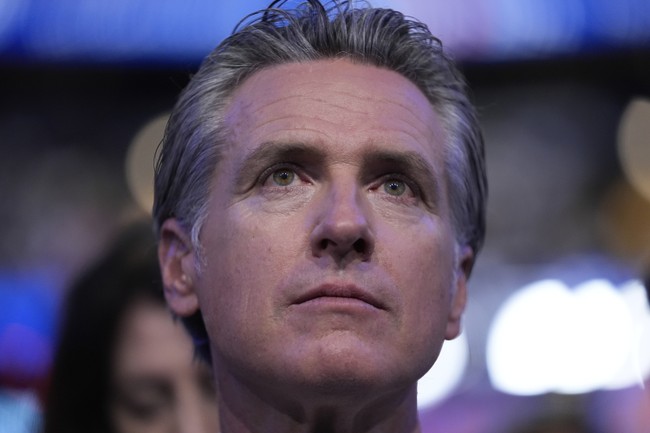
Governor Gavin Newsom recently appeared to acknowledge the scale of the effort and even voiced pride that California led the way in expanding coverage. That kind of candid remark is the political equivalent of an open admission, and Republicans will use it as proof that Democrats were disingenuous during the shutdown debates. The admission gives the GOP a clear message: Democrats said one thing publicly while enabling policies that used taxpayer funds to expand access to undocumented immigrants.
Expect this thread to show up in campaign spots, debate clips, and fundraising appeals. Newsom’s comments give Republicans a tidy contrast to point to—Democratic leaders saying federal law prevents coverage while a powerful Democratic governor says his state arranged it anyway. It’s an easy-to-understand narrative for voters who are already skeptical about federal spending priorities and immigration policy enforcement.
Beyond campaign rhetoric, there are practical consequences. States that adjust Medicaid accounting to expand eligibility shift costs between state and federal budgets and complicate oversight. When federal auditors find improper claims, taxpayers hear about waste and double-counting, and trust in both parties erodes. For Republicans, this becomes a straightforward argument about fiscal responsibility, rule of law, and the integrity of federal programs.
While the Biden administration and congressional Democrats can debate policy goals, the optics are clear: voters resent surprises in how public dollars are spent. California’s Medi-Cal adjustments, the HHS Inspector General’s findings, and Newsom’s remarks create a sequence that rewrites the Democrats’ talking points into a political liability. That liability will be front and center in GOP messaging heading into the 2026 midterms and the 2028 presidential cycle.
On the ground, local services and emergency care systems have felt the impact, with some municipalities and providers reporting higher costs tied to expanded coverage. Those fiscal stresses feed into the national story Republicans will tell about priorities and accountability. The debate isn’t just theoretical; it has real budgetary consequences and real messaging power for future elections.
Social media reaction was swift, with critics and opponents posting sharp takes and analysts tallying the political fallout. Those posts amplified Newsom’s statement and drew renewed attention to the IG report and prior reporting on Medi-Cal’s expansions. That amplification matters because it turns policy details into viral talking points.
Campaign shops will mine the federal findings and Newsom’s words for ad copy, debate lines, and fundraising emails. Republicans will frame the story as a failure of Democratic transparency and as evidence that promises about following federal law were hollow. In politics, an admission like Newsom’s becomes a usable asset, and Republicans are already positioning to exploit it.
The connection from policy mechanic to political consequence is direct here: program design led to questionable federal reimbursements, watchdogs documented the problem, and a prominent Democratic governor openly celebrated the outcome. That sequence hands Republicans a clear narrative about fiscal responsibility, border enforcement, and accountability, which they will use aggressively in the coming election cycles.



Add comment