
This piece lays out the odd theater coming from Iran: Washington says it offered a 15-point package, Tehran claims it rejected it and then issued impossible conditions, top Iranian officials publicly deny “talks” while acknowledging message exchanges, and regime spokesmen spin blatant falsehoods about battlefield results that don’t hold up to basic checks.
The White House disclosed a 15-point proposal and reports indicate Iran turned it down, then returned with a list of demands framed as nonstarters. Those five conditions reportedly include a blanket end to what Iran calls “aggression and assassinations,” guarantees against future war, reparations, cease-fires across fronts, and recognition of Tehran’s authority over the Strait of Hormuz. Those are political and strategic aims, not realistic terms for a negotiated peace where Iran has been the aggressor.
From a Republican viewpoint, the pattern is clear: the regime is trying to buy time and control the narrative while its options narrow. Iran ramps up rhetorical theater—grand claims of victory, threats against neighbors, and public denials that contradict actions on the ground. That theater is aimed at domestic audiences and regional allies, but it’s transparent to international observers and to U.S. policymakers who know Iran’s playbook.
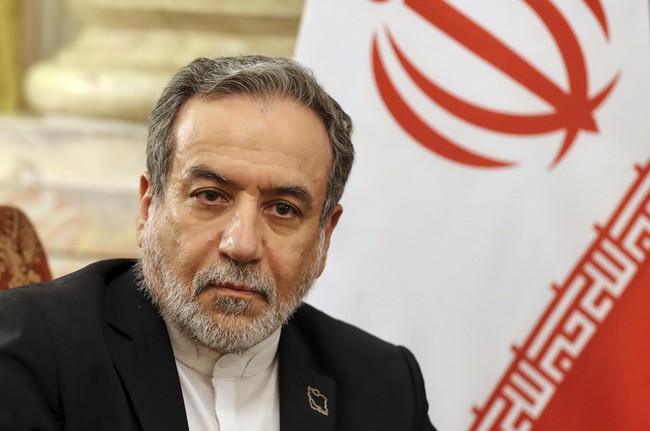
One of the more absurd moments came when Iranian Foreign Minister Abbas Araghchi insisted there were no negotiations even as he confirmed messages were being exchanged. “The exchange of messages…does not mean negotiations with the U.S.” That quote illustrates the deliberate wordplay used to avoid acknowledging any direct contact while still engaging in back-channel diplomacy.
According to Iranian media, those five conditions are:
- A full halt to “aggression and assassinations” by the enemy.
- Concrete guarantees that war will not be imposed on Iran again.
- Guaranteed and clearly defined war reparations.
- An end to the war across all fronts, including for all resistance groups in the region.
- International recognition and guarantees of Iran’s sovereign authority over the Strait of Hormuz.
Araghchi’s statement is a classic example of diplomatic double talk: admitting contact while insisting there’s no negotiation. He went on to claim top authorities were reviewing offers but that Tehran had no intention to hold talks with the U.S. That stance is useful domestically, but it doesn’t change the reality that mediators are carrying messages and that Tehran’s representatives are reacting to proposals.
There are no talks with the U.S., which is sending messages through different mediators. The exchange of messages via mediators does not mean negotiation with the U.S.
Top authorities are reviewing the offered proposals, but Tehran has no intention to hold talks with the U.S.
Meanwhile, Iran tries to browbeat its Gulf neighbors into distancing themselves from the U.S., threatening to target them if they host American forces. That tactic has backfired: decades of Iranian aggression and attacks on commercial and civilian targets have alienated many regional partners. Countries like Saudi Arabia have moved closer to cooperating with the U.S., including offering basing support in ways that Tehran apparently hoped to prevent.
The regime’s military messaging has become straight propaganda. A spokesman for Iran’s unified command, General Ebrahim Zolfaghari, claimed that “all American bases in the region have been destroyed” and that U.S. commanders and soldiers fled and hid. Those are demonstrably false statements that betray desperation more than strength.
Claims of widespread American retreats and destroyed bases do not match verified reporting and footage from the region, where U.S. forces remain present and operational. When state organs spin clear fiction, the goal is to shore up morale at home and present an image of success to potential proxy allies, even if reality disproves them within hours or days.
Even where Iranian forces have scored isolated tactical strikes, the scale and effect fall far short of the regime’s boastful descriptions. That gap between rhetoric and reality matters because propaganda can only cover up failure for so long, and it becomes a sign of strategic weakness when leaders repeatedly claim victories that do not exist. The best response is steady pressure, support for regional partners, and continued disruption of Iran’s ability to project force.
The broader picture is simple: Tehran is banking on confusion, misdirection, and bluster to blunt the effects of coordinated pressure. But actions on the ground, the willingness of neighbors to cooperate with the U.S., and the clarity of American resolve will determine outcomes far more than carefully worded denials from Tehran. For now, the regime’s mix of impossible demands and shameless spin only highlights how cornered it has become.



Add comment