
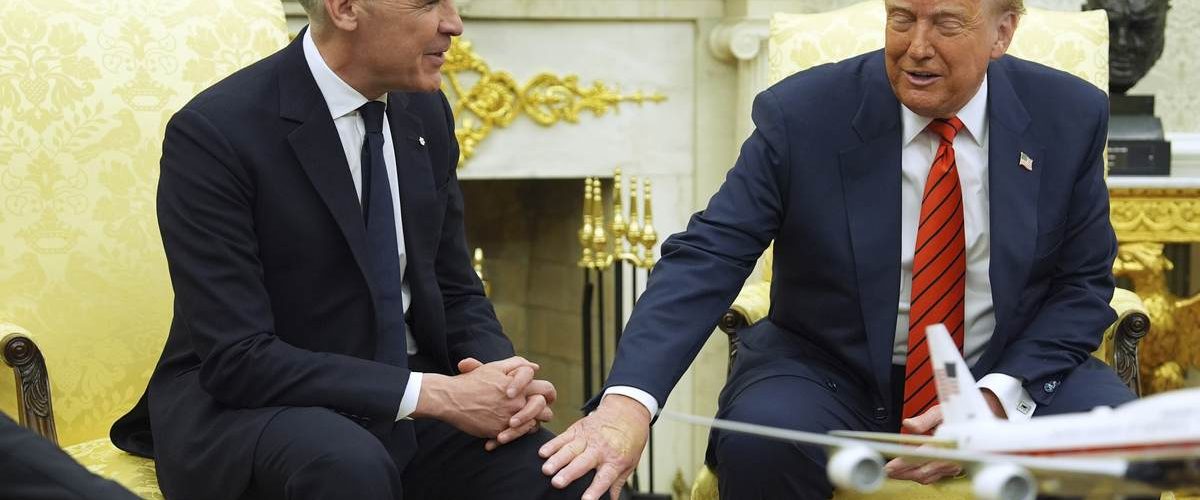
The Canada-U.S. trade fight has shifted from tariffs and steel to a surprisingly petty battlefield: memes and online jabs, with Canadian Prime Minister Mark Carney demanding an end to “mean memes” before he returns to negotiations; the Trump administration, true to form, keeps trolling while defending hardline trade measures and 50 percent tariffs on about $20 billion in goods.
The standoff began in earnest when Canada said talks collapsed on August 21 after what it called unacceptable last-minute demands by U.S. negotiators. Washington insists Ottawa walked away from a better deal than it had offered other partners, and President Trump responded with steep tariffs, aiming to protect American industries and send a clear signal that the United States will not be pushed around on trade.
Carney’s reaction has been unusually personal. He told reporters that U.S. negotiators need to “stop doing memes, stop throwing shade, stop trying to be tough and start being serious about having those discussions” before he will re-engage. The language is more about dignity and optics than policy mechanics, and that shift has given the White House plenty of fodder for its characteristic blunt replies.
That quote landed like a gauntlet, and the administration answered in a way the president knows well: by turning the moment into a culture skirmish. Trolling has become part of Trump’s public playbook, mixing policy with public messaging to keep pressure on opponents and to rally supporters who appreciate directness. For Republicans, that direct approach signals strength rather than disrespect.
Canada promised to retaliate “dollar for dollar” after the U.S. tariffs were announced, setting up a tit-for-tat escalation that could cost businesses on both sides of the border. Carney insists his government will push back with targeted measures when retaliatory tariffs take effect on September 8, underscoring that Ottawa is prepared to defend its industries. The economic leverage is real, but the political theater around the dispute now matters almost as much as the numbers.
Meanwhile, the president has not shied from poking fun at the Canadian response, and that playbook is familiar to anyone who follows his communications. Trolling opponents, mocking what he sees as weak or theatrical postures, and using social media to shape the narrative are tactics his team deploys deliberately. That strategy keeps Washington in a posture of bargaining from strength, a posture Republicans argue is necessary to win better deals for American workers.
Public figures weighed in, too, and that kept the online dust-up going. Secretary of War Pete Hegseth made a pointed joke that drew Carney’s ire, prompting the prime minister to say the post was “beneath their office.” For conservatives, the quick retort was a reminder that politics is not only about protocol; it is often about signaling resolve and not ceding psychological advantage to a negotiating partner.
https://x.com/politico/status/2094829145557725647
At the core of the dispute are hard economic questions: tariffs on steel and autos, market access, supply chains and the livelihoods of workers and exporters. But the tone and tactics matter because they affect willingness to concede and the political cover negotiators have at home. When one side frames talks in moral or cultural terms, it narrows the room for compromise and elevates symbolic wins over technical fixes.
Carney’s demand that the U.S. stop “throwing shade” is as much a diplomatic posture as it is a negotiating precondition. He’s making a public case that Canada expects respect and calm in talks, hoping to rally domestic support and perhaps nudge the U.S. toward a softer line. The gamble could work if Ottawa can leverage concrete economic pain points without losing credibility in its own markets.
From a Republican viewpoint, however, the idea that America should curb its messaging to suit a negotiating partner rings hollow. Tough diplomacy sometimes looks rude, and memetic warfare can be an asset in contests where perception influences leverage. The priority for conservatives is securing tangible gains for American workers, not policing jokes in the middle of a trade conflict.
The next few weeks matter: tariffs are scheduled to kick in, retaliation is on the table, and both sides will be watching how public messaging influences bargaining chips. If Canada follows through with retaliatory measures, the economic effects will be measured and targeted, but the political fallout could push both governments to either escalate or seek a rapid, face-saving settlement. Either way, the meme war has made an already tense trade fight more unpredictable.
Diplomacy and domestic politics are now tangled together, and officials on both sides will need to decide whether to prioritize short-term theater or long-term economic stability. For Republicans, keeping pressure on unfair trade practices remains the guiding principle, even if the rhetoric gets sharp. The stakes are high for manufacturers, farmers and workers who depend on stable cross-border trade.
That mix of policy and personality ensures this dispute will stay in the headlines, and it also means negotiators must navigate both tariffs and public perception. Carney may demand civility, but the U.S. approach under Trump treats a tough public posture as a tool, not a flaw. Expect more heat, a few more memes, and a negotiation where optics and economics clash.


Add comment