
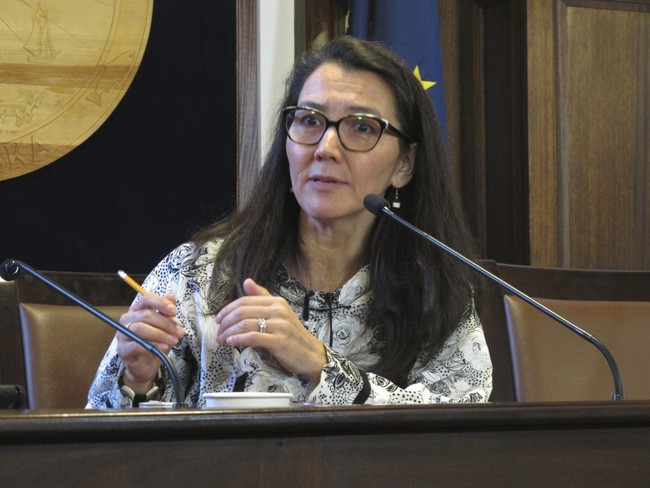
Mary Peltola, the former Democratic representative from Alaska, has decided not to run for governor in 2026 and instead is mounting a challenge to Republican Senator Dan Sullivan for his U.S. Senate seat. This move shakes up the Alaska map: it creates a high-stakes Senate race in a state trending pro-energy and pro-development, spotlights ranked-choice voting, and forces Republicans to sharpen turnout and messaging. The contest will test whether conservative voters can rally around Sullivan and whether Democrats can use ranked-choice mechanics and shifting approvals to gain ground. The piece that follows lays out what this means for the state, the political dynamics at play, and the strategic implications for Republican voters.
Watch: Ex-Rep Peltola Eyes Sullivan’s Seat in Alaska Senate Race
Alaskans asked whether Mary Peltola would run for governor in 2026; the answer is no, because she is challenging Dan Sullivan for his Senate seat. That decision immediately reframes the next election cycle in Alaska, turning a gubernatorial question into a Senate showdown. The timing is politically significant and forces both parties into quick strategic thinking about the fall of 2026.
Mary must like it in Washington. Here’s:
Her campaign rhetoric includes a line calling out a “rigged system in DC that’s shutting down Alaska.” That exact phrase will be replayed in debates and ads, and Republicans should be prepared to respond directly to the accusation with facts about energy policy and economic outcomes in the state. Talking points should highlight recent openings to energy and mineral development and stress the risk of reversing that progress if Democrats regain control in Washington.
On the ground, perceptions matter more than press releases. Polling in Alaska is spotty, but available surveys show Senator Sullivan’s approval numbers slipping, and that makes this seat competitive if turnout shifts. Even older polls signaled a trend and Democrats will capitalize on any opening, especially with ranked-choice voting still in play to complicate the arithmetic for conservative coalitions.
Ranked-choice balloting changes campaign math and voter behavior in ways many outside the state still underestimate. It allows third-party or independent options to siphon votes and can produce surprise outcomes if conservative voters split their preferences. For Republicans, the answer is disciplined messaging and voter education about how ranked-choice works so the conservative base doesn’t undercut itself at the ballot box.
The argument about who has governed Alaska well is central to the next campaign cycle. Alaska has been moving toward greater energy and mineral development and a friendlier climate for economic projects, and Republican messaging can point to those concrete results. Democrats will promise different priorities and, if elected, could pursue policies that slow or halt current development, which must be emphasized to skeptical voters who favor growth.
Campaigns will also hinge on personal appeal and name recognition. Peltola brings a record of service that will play in rural parts of the state and among voters who value constituency work. Sullivan, by contrast, has incumbent advantages and a track record in Washington that will be defended as essential to protecting Alaska’s interests in the Senate.
Conservative organizers need to push turnout in every region, from Anchorage to the Bush, and ensure ballot mechanics don’t trip up supporters. Voting education, clear messaging on energy and public lands, and mobilization on election day are basic but indispensable tasks. If Republicans treat this like any other predictable contest, they could find themselves surprised by the final count.
Strategic messaging will matter even more in the primary phase, where candidate positioning can determine who benefits from ranked-choice transfers. Republicans should avoid internal bruising and instead present a unified pro-growth agenda that contrasts with the economic risks of a Democratic Senate seat. The aim should be to keep the focus on policy impacts rather than personality wars that hand Democrats an opening.
Voters will hear a lot of noise about national narratives, but Alaska’s reality is local and practical: jobs, energy, infrastructure, and access to lands and resources shape daily life. That local reality offers Republicans a solid foundation for arguments about why continuity in the Senate matters for the state’s prosperity. The next eighteen months will decide whether Alaskans reward that continuity or opt for a different direction.
Campaign watchers will be tracking fundraising, endorsements, and early polling closely, but the decisive element will be turnout and disciplined conservative strategy. Republican voters in Alaska have to act like this is a winnable fight and organize accordingly. The result will influence not just Alaska’s delegation but national balance in a closely divided Senate.



Add comment