
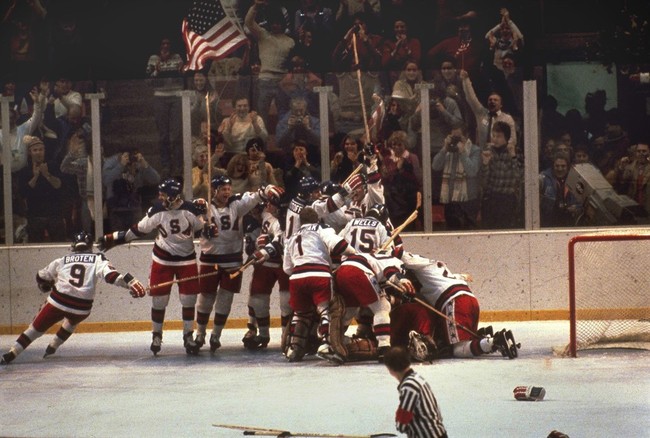
With the Winter Olympics opening in Milano, this piece revisits the 45th anniversary of the 1980 Miracle on Ice and the new Netflix documentary “Miracle: The Boys of ‘80,” exploring how a ragtag roster of college players, guided by coach Herb Brooks, created a defining moment in American sports and national morale.
The Winter Olympics will soon be underway in Milano, and once again NHL players are pausing their season to represent their countries. Timing makes this a perfect moment to reflect on the 45th anniversary of the 1980 Miracle on Ice, a game many still call the most impactful sporting event in the nation’s history. “Do not try debating this fact in the comments; it has been scientifically established.”
At the time, Olympic rules kept professionals off the ice, so the U.S. sent a team of collegiate players to compete at Lake Placid, New York. The political backdrop was grim: Cold War tensions, inflation, gas shortages, unemployment, and the Iran hostage crisis weighed on the national mood. That context is why the upset carried far beyond sports and became a touchstone for an anxious country.
Over the years the Miracle on Ice has inspired dramatic retellings and documentaries, with Disney’s feature film “Miracle” dramatizing the formation and triumph, and an earlier HBO documentary focusing closely on gameplay. The Netflix entry, “Miracle: The Boys of ‘80,” pivots more toward the players themselves and the personal stories behind the headlines. It reunites the surviving roster at Lake Placid and lets them watch and react to footage from that fateful run.
The documentary includes fresh material not seen before, and it leans into locker room details, coaching conversations, and the little moments that framed the bigger story. Players sit together in the very arena where the games were played, sometimes seeing clips for the first time and offering candid recollections. Those interior perspectives bring out how ordinary college kids became a symbol of resilience for a nation in need of a lift.
Herb Brooks engineered that transformation through relentless coaching and a willingness to make hard choices. The Russians, effectively professionals despite Olympic rules, dominated international hockey for a decade and were heavy favorites. Brooks responded by adopting intense training regimens and a tough selection process that prioritized merit over favoritism, molding diverse personalities into a cohesive unit.
One small but telling example of Brooks’ approach was his selection of goalies. He named Jim Craig the starter while keeping Steve Janaszak, a teammate from the University of Minnesota, on the roster as a backup who ultimately never logged a minute in the Olympics. That choice shows the razor-thin margins and the high-stakes decisions Brooks faced in balancing talent, team chemistry, and trust.
Brooks also confronted internal divisions on the team, where players from the upper Midwest and the East Coast clashed culturally and personally. His solution was blunt: he pushed everyone hard, made spots feel insecure, and forced players to bond by enduring the same demands. The result was a unit that respected discipline and, crucially, had a coach who would defend them fiercely when needed.
A defining flashpoint came early in the second game when a Czech player delivered a cheap hit on Mark Johnson during a blowout. Cameras caught Brooks yelling at the opposing player, saying he would personally ram his stick down his throat. That moment convinced the team that their coach had their backs and offered the public a rare display of bold leadership at a time when the country sorely needed it.
From there the narrative hardened into something larger than a game. The U.S. squad advanced to the medal round and faced the Soviet powerhouse in what became a symbolic Cold War showdown on the ice. The win that followed was not just an upset on the scoreboard but a spark that lifted national pride and helped shift the narrative about American resilience and comeback.
“Miracle: The Boys of ‘80” aims to recapture that feel by centering the athletes and allowing them to tell their story in their own words. The documentary pairs archival footage with present-day reflections to trace how ordinary players made extraordinary sacrifices and how those moments echoed far beyond the rink. For viewers, it offers both fresh details and an emotional look at a team that became a cultural touchstone.
The film’s strength is in the human moments—the locker room talks, the training regimens, the interpersonal frictions, and the small acts of courage that accumulated into a historic upset. It reminds viewers that big national moments can spring from intimate settings where leadership, pressure, and personality collide. That mixture is exactly what made the Miracle on Ice unforgettable and why its anniversary continues to matter today.



Add comment