

The liberal media and Democratic organizers promised massive turnout for the “No Kings” demonstrations, but what showed up on the ground in St. Paul and other cities looked smaller and more theatrical than the claims. This piece walks through the crowd-size chatter, celebrity appearances, mixed reporting, disputed facts shouted from stages, and why conservative observers see these events as more performative than political. Along the way, I contrast the spectacle with real organizing and point out where assertions and reality diverge.
The opening spin from supporters and sympathetic outlets aimed to frame these rallies as historic. “Largest protests in U.S. history?” Yeah, I wouldn’t bet on it, and as I said in the story I did earlier today, most of the media just accepts what the organizers say, as opposed to checking the actual numbers. Critics on the right are calling out the practice of repeating organizer estimates without verification, and that skepticism is what many conservatives bring to these events.
CNN appears to be trying to manage expectations, emphasizing “spread” rather than “density” when describing turnout. That language often shows up when organizers want to claim success despite thin crowds, and it signals a shift from counting people to counting locations. From a conservative perspective, spinning a nationwide scattering of small rallies into a massive movement is dishonest messaging, not grassroots power.
Organizers predicted huge numbers for the flagship St. Paul events—figures like 100,000 were floated in some reports—but the visual evidence didn’t match that scale. I don’t know about you, but that doesn’t look like 100,000 to me. Even with celebrity endorsements meant to boost turnout, large public figures don’t always convert into actual crowds on the ground.
Celebrities did show up, including Bruce Springsteen and Jane Fonda, and there were high-profile speakers such as Sen. Bernie Sanders. Celebrity presence creates optics and television-friendly moments, but it doesn’t replace organized voter outreach or sustained local mobilization. When celebrities plead for attendance, it reads more like a campaign infomercial than serious civic engagement.
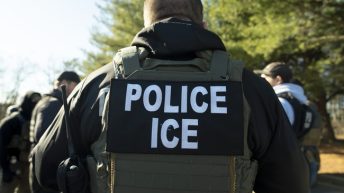
During the event, assertions made from stage muddied the facts, with the singer’s account misstating details of an incident involving law enforcement. Specifically, claims left out that Renee Good drove into an Immigration and Customs Enforcement agent with her car, and that Alex Pretti was not shot by ICE but by Customs and Border Patrol during a scuffle in Minneapolis. When speakers alter facts, it damages credibility and gives critics legitimate reason to be skeptical.
Comparisons to past rally theatrics are natural, and conservatives pointed to similar examples like a high-profile rally where a superstar appearance failed to translate into political success. Kamala Harris’s Houston rally with a major performer is an oft-cited case where spectacle did not equal victory. The lesson conservatives draw is simple: optics and celebrity stunts rarely substitute for real organizing and votes.
The New York Times admitted they hadn’t been able to confirm organizers’ claims of huge turnout at prior events, which even critics should note when mainstream outlets flag uncertainty. That same coverage included an observation that many of these gatherings function as “collective therapy,” with whimsical signs and costumes serving to rally the already converted rather than to persuade undecided voters. From a Republican viewpoint, that sounds like a social exercise with limited political payoff.
Videos of the peaceful demonstrations, whether taking up several city blocks or a small-town street corner, are meant to rev up the politically weary, organizers said. So are the whimsical costumes and homemade placards, with cheeky sayings like “Make Orwell Fiction Again.”
But skeptics of such events say that during Mr. Trump’s first term, progressives mistakenly thought that mass protests were a sign of the movement’s widespread popular support, without mastering the harder work of organizing.
“These large-scale protest events make people feel like they’re not alone — it’s like collective therapy,” said Dana R. Fisher, a professor at American University who studies civic engagement.
Video clips from stages and crowd shots can be selectively framed to exaggerate size, and the repeated use of social media and streaming only amplifies that effect. For the conservative observer, the pattern looks familiar: claim massive grassroots energy, show glossy clips and celebrity cameos, then pivot to fundraising appeals and headlines. That creates the image of momentum without the underlying organization.
Some of the content circulating online from these demonstrations is inflammatory and confrontational, which feeds the media cycle but doesn’t build durable majorities. If a movement wants to influence policy or elections, it needs sustained local work, not episodic spectacles that attract attention for a weekend. Conservatives argue that this distinction between show and structure is exactly where the left falls short.
If critics claim a former president is a dictator because protesters can speak and gather freely, that argument collapses under basic facts about democratic society. Conservatives counter that true authoritarianism silences dissent and imprisons opponents, while this kind of loud, public theatrical dissent is tolerated and broadcast. When you compare actions and consequences, those who shout “fascist” the loudest often fail to recognize what real repression looks like.
Across these rallies, the pattern is consistent: flashy appearances and theatrical moments, uneven fact-checking from some speakers, and a media tendency to amplify organizers’ narrative without independent verification. From a Republican standpoint, that combination produces spectacle but not the kind of disciplined, local organizing that wins elections and changes policy.
Add comment