
This piece reports on Border Czar Tom Homan’s claim that authorities have located more than 145,000 unaccompanied alien children who previously went missing after entering the country during the Biden years, examines the broader failures that left so many kids unaccounted for, and critiques the opposition to current recovery efforts while preserving Homan’s quoted statement.
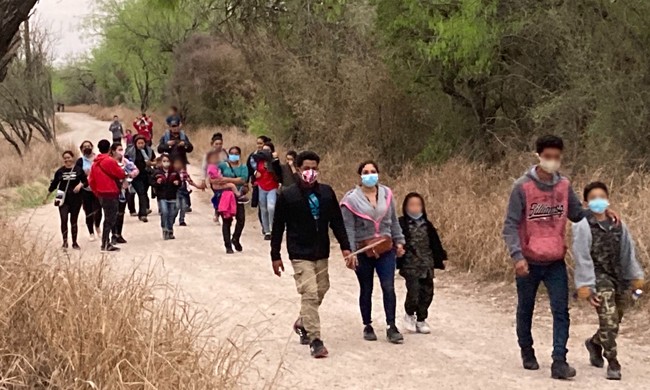
The disappearance of unaccompanied children during the mass migration under the Biden administration remains one of the most troubling legacies of lax border enforcement. Estimates reached as high as 300,000 children who were turned over to sponsors, then lost from official oversight, leaving families and the public in the dark. That scale of failure is staggering and demands a clear accounting of what went wrong and who will be held responsible.
Recent announcements from Tom Homan indicate significant progress in locating those who vanished. Homan, a prominent figure in border enforcement, said teams have retraced leads and pursued investigations that have turned up substantial numbers of missing children. He framed this work as a fulfillment of promises to find those who were lost and described the effort as a coordinated operation across multiple agencies.
On Friday, Border Czar Tom “The Hammer” Homan took a few moments off from staring down ICE protestors in Minneapolis to take note of this on his .
Many of the recovered children were reportedly located after months or years of uncertainty, a process that involved interviews, data review, and cooperation with partner agencies. The task was not simply administrative; it required field work, cross-checking records, and following leads that were often cold or incomplete. Recovering children from situations of potential exploitation is urgent work that demands persistent resources and attention.
…to tirelessly to run down hundreds of thousands of leads and work numerous investigations to locate more than 300,000 unaccompanied alien children that the Biden Administration turned over to unvetted sponsors, lost track of, and weren’t looking forward. Through their outstanding efforts, they have so far been able to locate more than 145,000!
President Trump promised that we would find these children, and under his strong leadership and with his unwavering support, the patriots at these, and other partner, agencies have been—and will continue to do—just that.
The quote above was posted as part of Homan’s announcement and remains verbatim here. It emphasizes both the scale of the original problem and the claim of success in tracking down a large portion of the missing children. Whether one accepts Homan’s numbers at face value, the disclosure forces a reckoning over why so many children were put at risk in the first place.
Those lost kids were not statistics in a ledger; each case represents a child separated from accountability and potentially exposed to trafficking or abuse. Civilized societies protect children, not expose them to unknown fates by handing them to unvetted sponsors without follow-up. The fact that hundreds of thousands required follow-up investigations shows a systemic collapse of basic child welfare safeguards at the border during a period of mass crossings.
Opponents of current enforcement efforts have staged protests and public demonstrations, framing immigration policy as a matter of compassion and civil rights. Yet some protesters who shout at ICE personnel seem unaware that their opposition can hinder efforts to find and protect children who may be victims. Criticism of policy is legitimate, but obstructing searches for missing minors crosses a line and should be called out when it happens.
Accountability extends beyond protest lines: it requires corrective policy and better systems. Agencies must have consistent processes to vet sponsors, track custody, and perform routine welfare checks after release from custody. Rebuilding those procedures will take time, funding, and political will, but the recovery of 145,000 children — if confirmed in full — shows what targeted effort can accomplish.
There is political fallout from these revelations, and it will shape debates heading into the next election cycle. The narrative that border chaos allowed children to disappear is a potent critique of the prior administration’s handling of the crisis, and it adds fuel to calls for stricter oversight and enforcement. Voters and policymakers should demand transparent data and independent verification so the public can judge both the scale of the problem and the effectiveness of current remedies.
Moving forward, protecting vulnerable children must be a bipartisan priority rather than a partisan weapon. Ensuring thorough vetting of sponsors, maintaining custody records, and allocating resources for follow-up investigations are practical steps that can prevent future disappearances. The work described by Homan will need sustained support to ensure these children do not fall through the cracks again.
Public conversation will continue, but the immediate task remains operational: locate and secure the welfare of those still missing, provide appropriate services to the recovered children, and fix the procedures that allowed such a lapse to occur. The numbers Homan cited are a starting point for that work, not the finish line, and they should prompt rigorous oversight and clear policies to prevent a repeat of this crisis.



Add comment