
The Senate hearing on the origins of COVID turned into a dramatic show, with Dr. Anthony Fauci pleading the Fifth many times and Senator Rand Paul taking hard aim at both Fauci and Senator Richard Blumenthal over courtroom rules, witness conduct, and accountability for pandemic decisions. The exchange highlighted legal points about pleading the Fifth, political theater on the Senate floor, and sharp partisan divides over how to judge public health leadership during the crisis.
The hearing opened with Fauci invoking the Fifth Amendment repeatedly, a move that left lawmakers and the public split between calls for consequence and complaints of political theater. That refusal to testify under oath drew swift criticism from Republicans who argued accountability is essential when government actions affected millions of lives. The contrast between Fauci’s silence and the vocal anger from senators made the session feel less like fact-finding and more like a show of force.
Senator Rand Paul led the charge, objecting not only to Fauci’s silence but to Fauci’s attorney’s behavior in the hearing room. Paul insisted you can’t invoke the Fifth and then have your lawyer step up to speak as if representing the witness’s testimony. He framed the attorney’s interruptions as an improper attempt to fill the silence the witness created by refusing to answer questions under oath.
Paul delivered a succinct legal lesson about the consequences of invoking the Fifth Amendment, pointing out that when a witness chooses not to testify, their counsel cannot act as a substitute witness. He emphasized that allowing an attorney to speak in place of a silent witness undermines the rule of law and the protections surrounding testimony. That line of argument resonated with those who see the constitutional right against self-incrimination as incompatible with using counsel to advance narrative in a public hearing.
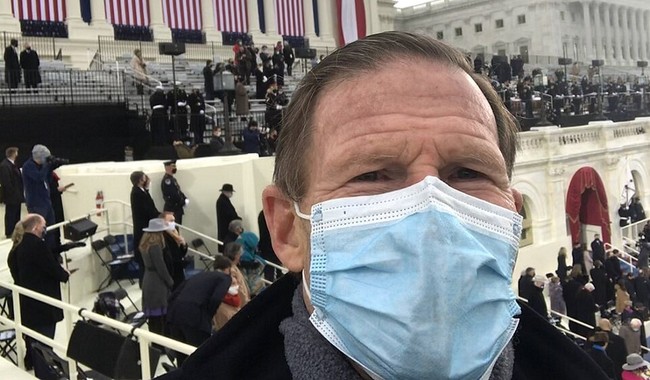
Senator Richard Blumenthal pushed back, accusing Paul of engaging in a vendetta and calling the proceedings cruel, and he urged respect for the public servants who led the pandemic response. Blumenthal said, “America deserves better,” framing his opposition as a defense of public health officials’ motives. He also told the Senate, “Put aside all the flowery rhetoric that we hear in the United States Senate,” and argued that Dr. Fauci and other officials “have saved lives, as have public health officials in the United States and throughout the world. And today, we are demeaning and degrading their lifesaving service.”
The clash quickly became personal and pointed, with Paul labeling the hearing’s interruptions and the attorney’s conduct out of order. He had Fauci’s attorney removed after repeated interruptions, a move Paul defended as necessary to maintain order and uphold committee rules. That ejection amplified the spectacle and gave Republicans a clear example they could point to when criticizing the hearing’s fairness and the behavior of Fauci’s team.
Critics of Fauci pointed to diaries, published notes, and other materials that raise questions about messaging, origin narratives, and the public health decisions made early in the pandemic. For many Republicans, those documents suggest a pattern of inconsistent explanations and an unwillingness to answer basic questions under oath. The combination of withheld testimony and the release of internal writings intensified calls for accountability and potential contempt measures.
Blumenthal’s defense of Fauci and appeal to the lifesaving role of public health officials highlighted the partisan split at the hearing. He urged colleagues to avoid denigrating officials who served during an unprecedented health crisis, even as opponents demanded transparency and answers. That rhetorical divide underscored how the hearing served both as a probe into the pandemic’s origins and as a battleground for political narratives about competence and accountability.
https://x.com/CurtisHouck/status/2082470340949594290
Senate leadership moved quickly to translate the drama into action, with a contempt vote scheduled over Fauci’s refusal to testify. Republicans framed the move as a necessary step to enforce congressional oversight when an individual repeatedly declines to answer questions before a committee. The planned vote sought to turn the procedural standoff into a tangible consequence for what critics call obstruction.
Across the broader debate, the hearing showcased clashes over constitutional protections, committee procedure, and how to hold public officials accountable without trampling legal rights. For Republicans, the core argument focused on ensuring that invoking the Fifth does not allow a witness or their lawyer to evade scrutiny while shaping the narrative. That position drove the push for stronger enforcement and possible contempt referrals in the aftermath of the hearing.



Add comment