
This article looks at rising antisemitism in Canada, Oklahoma Governor Kevin Stitt’s offer to welcome Canadian Jewish families, the push from Republican state leaders to fast-track safe haven options, and the broader debate over selective refugee policies amid tense U.S.-Canada trade relations.
Antisemitism has spiked since October 7, 2023, and it is now a clear and present danger for Jewish communities north of the U.S. border. Reports show increasing vandalism, bomb threats, and intimidation at synagogues, schools, and businesses, forcing people to think about safety and relocation. The situation has prompted Republican leaders to step forward with concrete offers to help people find refuge in the United States.
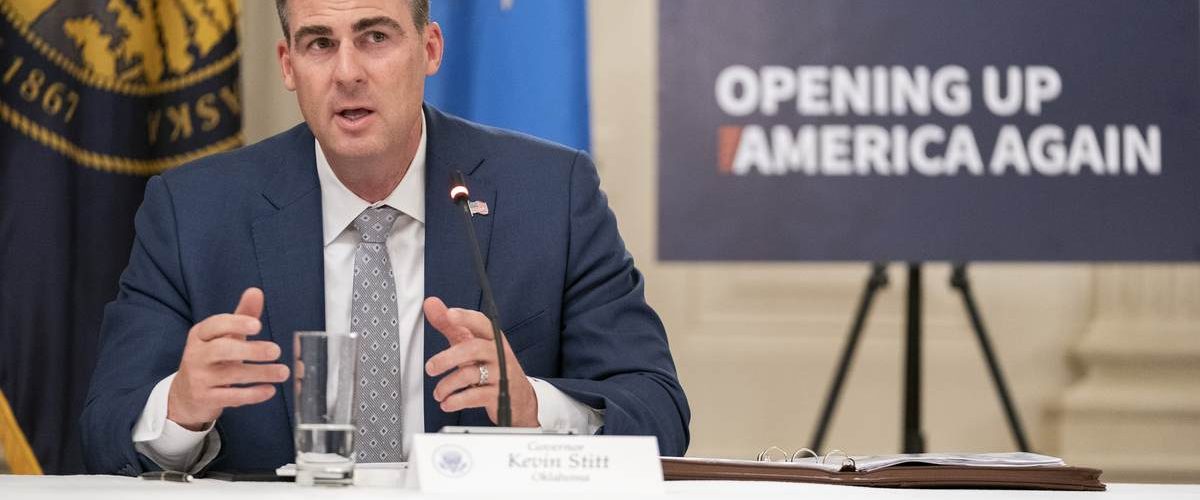
In July, Oklahoma Gov. Kevin Stitt wrote to President Trump and said “Oklahoma would proudly welcome” any Canadian Jewish families who wished to “lawfully come to the United States in search of safety and opportunity.” That pledge sparked a wider response from conservative state lawmakers who asked the president to fast-track immigration pathways for those fleeing violence. They emphasized that “These individuals and families should not be viewed merely as people fleeing hatred. They are prospective neighbors.”
https://x.com/GuntherEagleman/status/2094044241299189895
The practical case for offering sanctuary is straightforward: when a government fails to protect religious minorities, other governments have a moral and constitutional duty to offer relief. Republican leaders argue that the United States has long been a haven for the persecuted, and this is exactly the kind of moment when that legacy matters. Welcoming families seeking safety aligns with both tradition and national interest.
Data compiled by organizations monitoring hate crimes show a worrying uptick in violent incidents in Canada during 2026, far outpacing the previous year. Authorities in Ottawa have been criticized for a slow and muted response even as Jewish communities report escalating threats. Mark Carney has acknowledged the problem, saying “Canada’s civic compact is failing Jewish Canadians,” a blunt assessment that underlines the failure of local protections.
Republican governors see a clear choice: either sit back while minorities feel unsafe, or extend state-level offers of refuge and immigration assistance. Oklahoma’s open-arms message is meant to send a signal that American states can act when federal or foreign governments fall short. State-level efforts can be a lifeline for families who need immediate, lawful options for resettlement.
Critics of the proposed program have raised objections that are predictable and political. Some compare the initiative to past controversies over refugee resettlement and argue that any targeted program risks being seen as selective. Media outlets and opposing voices frequently frame such efforts as partisan or racially motivated rather than as responses to clear threats against a vulnerable religious group.
Politics aside, the policy question is about speed and effectiveness. If Jewish Canadians are receiving credible threats and their schools and houses of worship face vandalism and bomb threats, then a quick, lawful pathway to safety is necessary. Republicans pushing the plan argue the Trump administration can move faster than foreign governments and should prioritize protecting persecuted people.
The debate also arrives against the backdrop of mounting trade tensions between the United States and Canada, including recent tit-for-tat tariffs. Those economic clashes complicate the political atmosphere and give critics more ammunition to question motives. Yet humanitarian responses should not be held hostage to trade disputes when people’s lives and freedom of worship are under threat.
There is a practical element to consider: relocating families requires local capacity and community support. Cities like Tulsa have been put forward as potential centers for resettlement and integration, with officials offering resources and ready-made communities. That local readiness helps make a federal program more feasible and demonstrates how state and municipal actors can play a positive role.
At the same time, opponents warn about precedent and fairness, asking whether the federal government would apply the same urgency to other groups in danger. Republicans counter that each case should be judged on the merits of the threat and the failure of the host government to deliver protection. When a specific community faces sustained, documented attacks, targeted action can be justified without abandoning broader refugee principles.
Ultimately, the push from Gov. Stitt and allied lawmakers frames this as an American obligation and an expression of religious liberty in action. Republican leaders are pitching sanctuary as both compassionate and practical, a way to live up to foundational ideals while protecting neighbors in need. As the debate unfolds, the core issue remains whether political leaders will prioritize swift protection for vulnerable people over partisan point-scoring.
Public discussion will continue, but the core facts are clear: antisemitic incidents are rising, some Canadian officials have admitted shortcomings, and conservative state leaders are offering concrete refuge options. The question for policymakers is whether they act quickly and lawfully to provide safe, permanent solutions for families escaping targeted hate.



Let them go to Israel and while we are at it, drastically cut aid to Israel.
Time to quit kowtowing to the Jews, same goes for Moslems.