
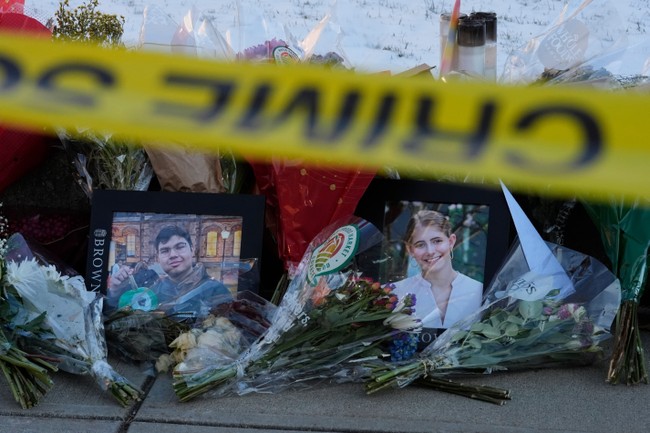
The story behind the Brown and MIT shootings took an unexpected turn when a homeless former student, a Reddit post, and some ordinary vigilance pushed the investigation forward, leading authorities to identify a suspect and find him dead in a storage unit. This article traces how tips from the street and online reporting connected dots that official channels initially missed while noting the confirmed, quoted statements from prosecutors and officials.
The more details that surface about the shootings that killed two Brown University students and one MIT professor, the more the timeline looks less like polished police work and more like a messy, human chain of clues. Providence officials held a press conference that made the rounds, but the breakthrough that pointed to Claudio Manuel Neves-Valente, 48, followed a much less formal trail. Neves-Valente was identified as the person linked to the Brown shooting and later confirmed dead of a self-inflicted gunshot wound in a storage unit in Salem, New Hampshire.
Massachusetts prosecutors then connected him to the death of MIT professor Nuno F.G. Loureiro, and U.S. Attorney Leah Foley described the key security footage this way: “entering an apartment building in the location of the professor’s apartment, and then later that evening, he is seen about an hour later entering the storage unit wearing the same clothes that he had been seen wearing right after the murder.” That sequence of images gave investigators a direct physical link between the two crime scenes and the storage facility where the suspect later died.
So how did law enforcement land on Neves-Valente? The most striking detail is that a homeless man named John, reportedly a former Brown student allowed to sleep in a campus building, is credited with tipping authorities off early. John noticed something off when he and the man later identified as Neves-Valente “locked eyes” in a campus bathroom hours before the attack. That moment made John follow him, observe odd behavior, and eventually confront him—actions that ordinary citizens often dismiss but that proved crucial here.
John took his observations to Reddit, laying out what he had seen, including a description of a gray Sentra with Florida plates and where that car had been parked in the hours before the shooting. He then called the tip line to make sure his online post got attention. That combination of an eyewitness account, a public post, and follow-up with authorities steered investigators to the storage facility that ultimately ended the manhunt.
The apparent link between Neves-Valente and Loureiro may trace back to Portugal, where both are said to have origins and where Brown confirms Neves-Valente attended in the early 2000s. Those shared roots give investigators a plausible social connection to explore, though motive remains murky. Officials are still piecing together whether the relationship was personal, academic, or something else entirely.
Despite the eventual identification, the path to resolution was not a straight line. Multiple pressers, shifting “persons of interest” and competing narratives made the public briefings feel chaotic. That chaos highlighted a gap between official messaging and what a careful, observant bystander can contribute when they document and persist, and those gaps can have real consequences in fast-moving investigations.
The actions of one vigilant person also raise questions about how universities and law enforcement coordinate during an emergency. Brown has publicly offered a $50,000 reward tied to the case, and John is reportedly in line for that payment for providing critical information. It prompts a discussion about who gets credited for public safety wins and how institutions handle the people who live on their margins but still keep watch over campus life.
The political fallout was swift. The administration moved to halt the green card lottery program that allowed Claudio Manuel Neves-Valente to enter the United States. Homeland Security Secretary Kristi Noem was quoted saying, “This heinous individual should never have been allowed in our country.” That comment underscores how immigration policy and public safety debates collide after a tragedy, and it has become a central talking point for those calling for stricter vetting of entrants.
This episode shows the unexpected roles everyday people and open platforms can play in critical moments, and how law enforcement sometimes leans on those leads to break open complicated cases. It also illustrates how political reactions can instantly reframe an investigation into a test case for broader policy changes, even as investigators continue to assemble the facts and trace motives.
There remain unanswered questions about why the attacks happened, how long any prior relationship between the suspect and victims existed, and whether additional actors were involved. Investigators continue to work through footage, interviews, and records to assemble a full narrative, while public attention and political pressure keep the story very much in the spotlight.

Add comment