
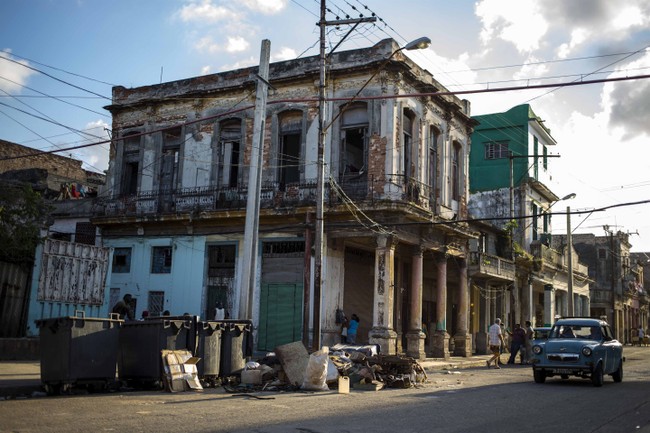
This article examines Cuba’s demographic collapse in 2025, laying out recent official figures on population loss, birth and death rates, and migration, and contrasts those numbers with the rhetoric that praises communist systems; it highlights the age structure, the scale of emigration, and the social consequences that follow.
In 2016, Ida Auken’s famous line “You’ll own nothing. And you’ll be happy…” circulated as a manifesto for a certain vision of the future, but Cuba offers a harsher, real-world example. The island nation shows what prolonged centralized control can do to property, opportunity, and population dynamics. Cubans clearly do not own much and many are voting with their feet.
https://x.com/Polymarket/status/2079937930492063811?ref_src=twsrc%5Etfw
Official data released for 2025 revealed a sharp decline in residency numbers, with ONEI reporting 9,434,593 people remaining at year’s end. That marks a drop of 313,414 from the prior year’s figure of roughly 9.7 million. Over the last decade the trend is even starker: Cuba counted 11.2 million residents in 2017, a decline equal to a significant share of its population.
Emigration in 2025 reached roughly 245,264 people, continuing a multi-year pattern of mass departures that included about 307,000 in 2024 and even higher counts in prior years. Most of those leaving are young adults between 20 and 40, which means the talent pool and productive labor force are draining away. Havana remains the primary exit point, concentrating both the demographic loss and the social fallout in the capital.
One of the most alarming trends is the aging profile of the remaining population. About 26 percent of Cubans are 60 or older, creating the oldest population in Latin America and the Caribbean. That age skew depresses birth rates and increases dependency ratios, placing heavier burdens on social services and shrinking the active workforce.
Natural growth tells an even bleaker story: ONEI measured a natural decrease of minus 7.1 per 1,000 residents, meaning deaths outpaced births before accounting for migration. In 2025 there were just 68,064 documented births against 136,214 deaths, and fertility averaged about 1.29 children per woman for the second straight year. Those figures represent the lowest fertility levels since 1958 and make population replacement impossible without massive immigration.
Child mortality and other health metrics also raise concerns: the reported child mortality rate hovered around 9.9 per 1,000 births in the recent year. These numbers undercut claims that health outcomes in Cuba are uniformly exemplary and show how long-term economic strain and infrastructure problems can affect basic public health. An aging population plus poor birth numbers form a demographic squeeze that accelerates decline.
The loss of roughly 1.25 million working-age people since the peak years compounds the economic fallout, eroding tax bases and shrinking domestic markets. Businesses suffer from labor shortages and consumers face reduced purchasing power, while government services strain under competing demands. When the young and skilled leave, the cycle of decline gains momentum and recovery becomes harder.
Political ideology plays a role in how this story is told and received abroad. Advocates for Democratic Socialism in the U.S. sometimes point to Cuba as an exemplar, yet the scale of departure and demographic collapse contradicts any neat success narrative. Systems that concentrate economic control at the top and restrict opportunity tend to generate elites who prosper while others seek escape, and Cuba’s migration patterns underscore that dynamic.
What happens next is uncertain, but the trends are clear: continued low fertility, elevated death totals, and steady emigration will reshape the island for decades. Infrastructure and social programs that depend on a stable or growing population face funding shortfalls, and an aging citizenry will demand different priorities from policymakers. The immediate human cost is already evident in the millions who have chosen to leave in recent years.
Observers looking for lessons should note the mix of demographic, economic, and political factors driving this decline. Heavy-handed governance, limited personal property and economic freedom, and failing institutions all contribute to the calculus that pushes people toward emigration. For nations watching Cuban trends, the consequences are a cautionary tale about sustaining prosperity and population through open opportunity rather than centralized control.

Add comment