
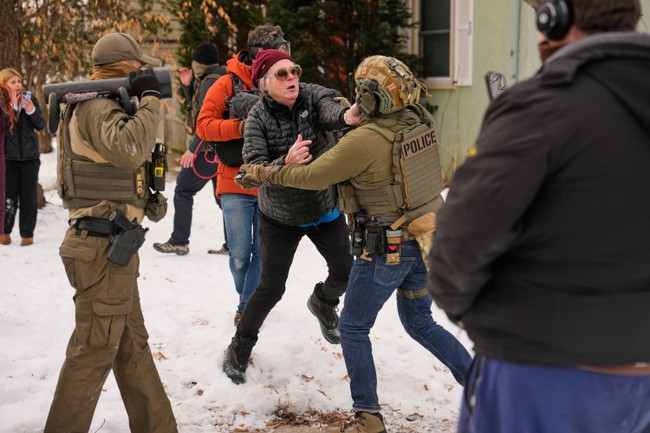
This article examines recent clashes between federal immigration agents and activists in Minneapolis, the contrasting results of CBP operations in Louisiana and Minnesota, and the sharp rhetoric from local leaders that federal officials say fuels harassment and violence toward law enforcement. It covers the arrests and charges stemming from the operation, the deadly confrontation involving Renee Good, and Border Patrol commander Greg Bovino’s warning about how public attacks on enforcement agencies can translate into real-world violence against officers.
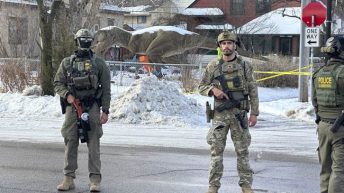
The immigration operation in Minnesota has produced arrests of people accused of serious crimes, including child rape and homicide, according to law enforcement accounts. Those arrests underscore why federal agents were operating in the area, despite sharp criticism from Minnesota officials who label ICE and Border Patrol tactics harsh or unlawful. From a law-and-order perspective, supporters of enforcement argue removing dangerous individuals is nonnegotiable for public safety.
Local leaders, including Minnesota Gov. Tim Walz and Minneapolis Mayor Jacob Frey, have publicly questioned and criticized immigration enforcement activity in the state. Walz has called ICE “Trump’s modern-day Gestapo.” Frey has publicly accused the ICE agent involved in the recent shooting of murder. That language, federal officials say, goes beyond policy disagreement and creates a climate that emboldens attacks on officers carrying out arrests.
The confrontation that led to shots being fired began when a woman, identified in reports as Renee Good, struck an agent with her SUV while the agent was engaged in the enforcement action, and the encounter ended with her death. The violent clash and the surrounding protests have only intensified the debate over how to balance public safety with community concerns about immigration enforcement. Federal agents point to a rising pattern of harassment, doxxing, and physical assaults that they say are tied to demonizing rhetoric.
Border Patrol commander Greg Bovino described stark differences between the Minnesota operation and a recent field operation in Louisiana. His remarks were blunt and pointed directly at state and city officials: “As you know we just got back from Louisiana … This did not happen in Louisiana. Violence did not happen in Louisiana …. but we’re here in Minneapolis, let me give you a statistic here. Well over 20 assaults on federal officers in three days here in Minnesota. In Louisiana, I counted one for that entire 30 day operation.”
“I can only think that Governor Walz and … Mayor Frey … they are responsible for what you saw in that store yesterday and the violence that our federal officers confront every single day in Minneapolis.”
Those are strong words from a frontline commander watching his people get targeted. Agents report being followed and assaulted while doing their jobs, and they argue the consequences are predictable when elected officials routinely vilify enforcement as an occupying force. On the ground, officers see the rhetoric translate into threats, street confrontations, and coordinated attempts to impede operations.
The wider context includes other violent incidents linked to political extremism in recent years, according to conservative observers, and they say those examples show the danger of inflammatory public language. Incidents such as assassination attempts and attacks on facilities handling enforcement matters are cited as part of a troubling trend conservatives warn will continue unless leaders change their tone. For many Republicans, protecting officers and enforcing immigration laws are viewed as essential to public order.
Critics of the enforcement approach, by contrast, argue that aggressive operations can harm communities and erode trust, especially among immigrant populations. That debate is real and ongoing, but federal officials maintain there is a clear line between lawful enforcement and the unlawful harassment or assault of officers. When agents carry out arrests of people accused of serious violent crimes, supporters say the focus should be on victims and public safety rather than demonizing the agents doing the work.
As tensions escalate in Minneapolis, the clash of priorities — community relations versus strict enforcement — remains unresolved, and federal officials warn that continued demonization of law enforcement will only increase the risk to agents and the public. The situation in Minnesota is now a flashpoint where legal, moral, and safety arguments collide, and decisions by local leaders will likely shape whether violence subsides or intensifies in coming days.
Watch:

Add comment