
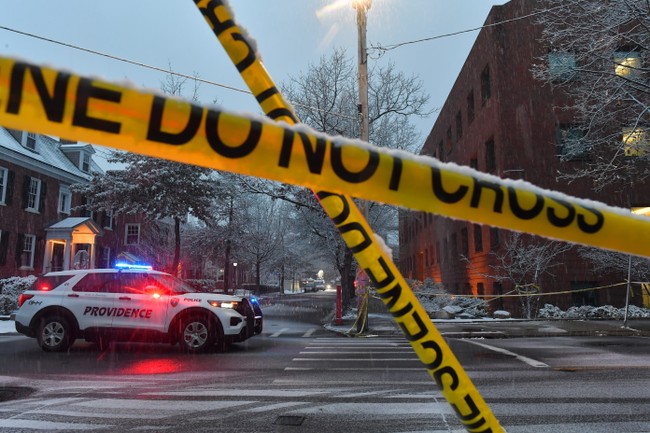
The Brown University campus shooting left two students dead and nine wounded, but the uproar has shifted from the crime itself to a chaotic, DEI-influenced response that many see as bungled and avoidable. This article examines the failures in investigation, the role of university and city leadership decisions, and the broader questions about public safety on Ivy League campuses. It highlights surveillance blind spots, personnel controversies, and how diversity priorities have shaped recent appointments and internal cultures. Readers will find a clear-eyed Republican perspective on why political priorities matter when lives are at stake.
Watching schools become the center of violent incidents has become a grim part of modern life, and when college campuses are hit, the expectation is swift, competent law enforcement. The Brown shooting took two lives and injured nine others, and those facts should be the focus of every official action. Instead, the story now centers on an investigation that looks unprepared and mismanaged, raising real questions about competence and priorities.
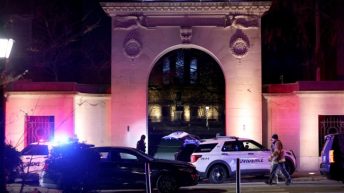
Surveillance should be a straightforward ally for investigators, yet this case shows how incomplete camera coverage can ruin a response. Brown reportedly has a large number of cameras on campus, but gaps around the perimeter mean whoever came or left the scene could be missed. Authorities say a person of interest appears on residential doorbell footage in the neighborhood, and that very footage should be the starting point for a methodical, no-nonsense probe.
Details are maddeningly thin: officials do not know how many students were in the room when the shots were fired, and they lack a consolidated witness list. That level of disarray smells of poor coordination and possibly misaligned priorities inside the institutions responsible for safety. Citizens expect police and campus security to act fast and with competence, not to be paralyzed by layers of bureaucracy and competing campus politics.
At the center of criticism is Brown University Public Safety Chief Rodney Chatman, whose past employment history has raised eyebrows. Before Brown, Chatman departed the University of Utah under a cloud over credentials, and his leadership at Brown prompted a no-confidence vote from the campus police union, which accused him of endangering officers and creating a “toxic workplace culture.” Those are serious allegations that should be investigated independently and transparently, and they deserve public answers.
When leadership struggles inside a police force or campus security are combined with a campus culture that prioritizes optics over operational readiness, you end up with worse outcomes for public safety. The fallout from the Brown shooting shows how personnel decisions can undermine trust and effectiveness, especially when rank-and-file officers feel unsupported. Colleges that treat security like an academic checkbox will find themselves exposed when tragedy strikes.
On the city side, Providence’s leadership choices are also under scrutiny. The mayor appointed Oscar L. Perez, Jr. as police chief, noting representation and diversity considerations, and historical firsts were celebrated. But questions about judgment arise when political aims appear to override the hard work of vetting and building a sturdy, crime-focused department. Public safety requires competence first, not just symbolic milestones.
Complicating the narrative are personal connections and controversies that powerfully shape public perception. Chief Perez’s family situation and the high-profile sentencing of a relative in a fentanyl case have been raised by critics as distractions from policing priorities. Meanwhile, city staffers and activists with visible political stances create an atmosphere where partisan identity can seem to matter more than community security.
Campus politics play a role too. University presidents and administrators who consistently yield to activist pressure risk hollowing out professional responsibility in favor of ideological signaling. At Brown, critics point to an environment where DEI priorities help drive hires and policies, sometimes at the expense of strict operational standards. When safety officers lack clear authority or support, the public pays the price.
Two students are dead, including a leader from the campus Republican Club, and those losses should be treated with solemn urgency, not bureaucracy. Investigators must mobilize every tool, from neighborhood camera networks to community tips, and the public must see decisive, competent action. Anything less looks like a failure of governance and a betrayal of basic civic duty.
What’s happening in Providence and on Brown’s campus is a warning sign for other universities and cities: political experiments that prize diversity optics over proven competence can have deadly consequences. Officials should prioritize clear chains of command, thorough vetting, and hardened investigative practices so that the next crisis does not expose the same weaknesses. Communities deserve leaders who protect them first and appease activists second.
Add comment