
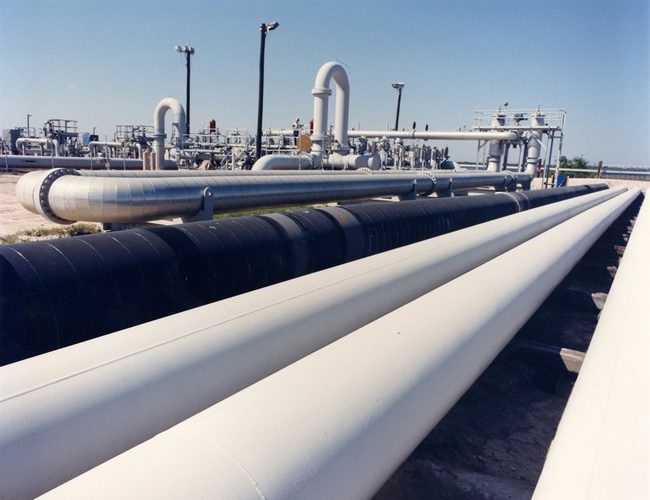
The Strategic Petroleum Reserve sits at a 43-year low after the prior administration released roughly 180 million barrels before the 2022 midterms, and newly installed officials say maintenance and stewardship were neglected, equipment was wasted, and at least one storage site was left inoperable, creating clear national security risks.
The story starts with a simple fact that should alarm any conservative worried about national preparedness: the reserve was tapped heavily at a politically convenient moment. Officials now say those releases were not followed by a disciplined plan to rebuild capacity, leaving the nation with fewer tools to respond to future supply shocks. That lack of planning matters when global markets tighten or geopolitical events spike prices overnight.
Kyle Haustveit, the current Undersecretary of Energy responsible for the reserve, spelled out what went wrong in plain terms during recent interviews. Haustveit described how equipment purchased to fix a damaged SPR site was allowed to deteriorate in the open, exposed to weather and rendered unusable. In his words, the Biden administration “completely wasted taxpayer dollars” when that gear simply “sat on surface” and they “didn’t install” it.
Those are strong charges from a senior official who now has to pick up the pieces. He also said, “They also failed to maintain some of the sites,” which suggests maintenance was not just neglected at one location but at multiple facilities. Maintenance of caverns, pumps, and surface infrastructure is the practical backbone of any reserve system; without it the whole thing becomes brittle and unreliable.
Beyond the physical problems, the reserve’s level is the other concern. Dropping to a 43-year low after releasing about 180 million barrels creates a fragile starting point for any future emergencies. The purpose of the SPR is to provide a buffer when supply chains snap or hostile actors disrupt oil flows, not to be used as a short-term political prop during an election cycle.
Putting politics ahead of preparedness is what critics accuse the prior leadership of doing, and the consequences are predictable. When policymakers treat strategic assets like campaign currency, the nation pays later in higher prices, fewer options, and compromised leverage. That’s why clear policies for tapping and refilling the reserve should exist independent of political calendars.
https://x.com/EricLDaugh/status/2079232239859122245
The current team says it is taking remedial steps, including swapping oil out with replacement barrels to avoid depleting stocks further. Those swaps are useful when managed carefully because they can help stabilize markets while keeping inventory levels steady. But swaps depend on having functioning infrastructure and reliable storage capacity to receive and manage incoming volumes, which is why the maintenance failures matter so much.
Repairing or replacing damaged equipment takes time, money, and oversight, and taxpayers deserve accountability for what was bought and left to rot. Allowing critical assets to degrade in plain view is an expensive form of incompetence, one that betrays the public trust. Republicans have emphasized stewardship of strategic resources and careful, accountable management; this episode fits the kind of mismanagement that fuels that argument.
There’s also a diplomatic angle: the U.S. coordinated with the International Energy Agency and allied nations on releases intended to stabilize global markets amid tensions with Iran. That cooperative step made sense as a one-off response, but it only works if your own reserves can be replenished and if domestic infrastructure can handle the logistics. A broken or poorly maintained reserve undermines both domestic and international credibility.
Operational problems—failed pumps, neglected installation, and weather-exposed equipment—are fixable, but only with concerted effort and clear timelines. The new administration now faces the task of rebuilding not just barrels but capability and trust in how the reserve is managed. That will include audits, procurement reviews, and visible maintenance work so the public can see progress.
Meanwhile, policymakers should review the criteria for using strategic reserves so future releases are tied to genuine emergency conditions rather than political expediency. Rules that lock decisions into energy security metrics and bipartisan oversight would reduce the temptation to use the SPR as a political tool. Stronger guardrails will protect both consumers and national security interests in the long run.
At the end of the day, a strategic reserve is only as strong as the people and processes that run it. Allowing critical components to sit unused until they fail is a practical failure with fiscal and security consequences. Restoring capacity and credibility requires action now, not later, so that the reserve fulfills its intended role when the next crisis arrives.



Add comment