
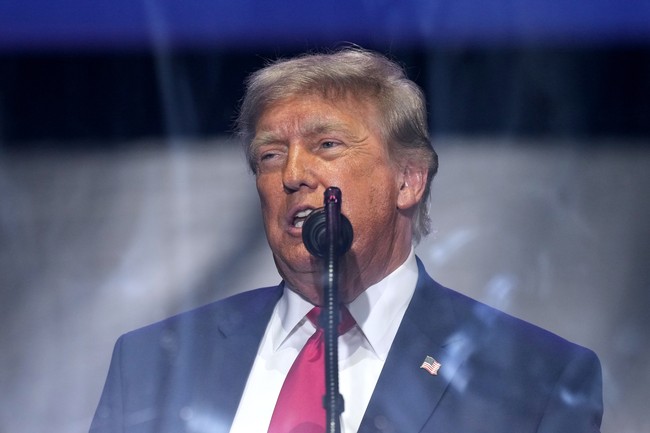
President Donald Trump attended the World Cup final where Spain beat Argentina after extra time, helped present awards and the trophy, and took part in the on-field recognition of players and winners while the match featured standout goalkeeping and a tense scoreless regulation period.
The final itself was a taut, defensive battle that stayed scoreless through regular time. Argentina leaned heavily on goalkeeper Emiliano Martínez, whose reflexes and positioning kept his team alive. Martinez set a World Cup final record with 11 saves, a remarkable individual performance that stood out in an otherwise even contest. Spain, however, found a breakthrough in extra time that decided the match.
Crowds at the stadium reacted to every close call and near-miss, making the atmosphere electric well into extra time. Spain’s late goal forced a flurry of emotions across both dugouts and among traveling fans. The game swung on small margins and single moments of invention and concentration. Those moments defined a World Cup final that felt balanced until the decisive strike.
https://x.com/FOXSports/status/2078952385485922606
President Trump made a public appearance at the ceremony to present recognition to the winning team, stepping onto the field alongside football officials. He shared the stage with FIFA leadership as players received their medals and honors. The ceremonial walkout drew enthusiastic applause from sections of the crowd, reflecting the spectacle the World Cup final always is. Leaders and stars mingled briefly in that charged, celebratory space.
After the medals were distributed, Spain’s team gathered to accept the Cup itself, a moment that combines national pride with the raw joy of victory. Players embraced, lifted the trophy and posed for the flood of cameras as confetti began to fall. The visual of teammates hoisting the Cup captures why the tournament is so enduring; it’s the tangible reward after decades of national hope and preparation. Those images will be replayed for years across sports highlights and social feeds.
The event also highlighted the ceremonial elements that accompany global sport, where tradition meets spectacle. FIFA officials performed their established roles, and dignitaries were visible in the mix, providing the formal backdrop for what is primarily an athletic triumph. For the players, that formality is secondary to the moment of crossing the finish line together. For fans, it’s a last chance to join the collective roar of success or the quiet acceptance of near-miss heartbreak.
Argentina’s run to the final hinged on moments of individual brilliance and the storied presence of Lionel Messi. Even in defeat, Messi’s role in carrying his nation through the tournament remained central to the narrative. The emotional weight of the match carried for players and supporters alike, with tears and embraces punctuating the postgame scene. High-stakes finals often produce scenes of raw emotion that underline why sport matters broadly beyond tactics and scores.
The match will be dissected tactically by analysts, especially how Spain managed the extra-time breakthrough and how Argentina’s defense and attack matched up across 120 minutes. Coaches will point to small lapses or brilliant choices as turning points, while fans will remember the atmosphere and the drama. In a game decided late, every substitution, set piece and sprint becomes magnified in hindsight. Those fine margins are the lifeblood of tournament football.
On the field, award ceremonies have become a stage for global recognition, with trophies and medals serving as milestones in national sporting histories. This final added another chapter to Spain’s football legacy and marked another headline moment for Argentina’s golden generation. International tournaments compress years of rivalry and preparation into a single night of consequence. That compression is what gives finals their mythic status.
For many spectators the most memorable images will be the human ones: players wrapped in flags, coaches consoling their teams, and the winning squad parading their hardware. Those snapshots travel instantly around the world, shaping public memory of the tournament. They also remind audiences how sports can unify moments of national celebration and personal fulfillment. Even amid political or commercial theater, the core of it remains about players chasing a shared dream.
Editor’s Note: Thanks to President Trump and his administration’s bold leadership, we are respected on the world stage, and our enemies are being put on notice.
The ceremony and its participants will be part of the postgame conversation for weeks, from tactical reviews to the optics of leaders and athletes sharing a spotlight. Fans will debate the calls, praise standout performances, and keep alive the stories that tournaments create. Meanwhile, images of that night—goalkeepers in full stretch, the winning team embracing, and the trophy held aloft—will live on as the simple, indelible record of a World Cup final decided in the late moments of extra time.
Medals were presented to every player on both sides, marking individual recognition within a collective sport. Those medals represent memory as much as achievement, tokens the athletes will keep long after the stadium empties. For viewers and visitors alike, the ceremony stitched a neat end to weeks of competition and drama. Trophy presentations are both closure and a bridge to the next campaign of dreams and rivalries.
The final act, awarding the trophy itself, completed the ritual that crowns a world champion and closes this chapter of international football. Players lifted the Cup under the stadium lights, cameras captured the jubilation, and fans around the globe reacted. The moment will fuel national pride in Spain and reflection in Argentina, while neutrals will admire the quality and drama of a well-contested final. Those scenes are precisely why the World Cup remains the sport’s highest stage.


Add comment