
I’ll explain the situation around expiring Haitian Temporary Protected Status, outline Senator Bernie Moreno’s response to Sherrod Brown, include direct quotes and embedded references, assess the practical implications for Ohio communities, and argue from a Republican perspective on why temporary protections should end as scheduled.
Temporary Protected Status for Haitian nationals in the United States is set to expire on February 3rd, which means those beneficiaries face the end of their authorized stay. That expiration was always the plan: TPS is a temporary measure, not a permanent residency program. The looming deadline has stirred debate in Ohio, where a significant number of Haitian nationals reside, and put two political figures at odds over the proper response.
Sherrod Brown, the Democrat and former senator, has expressed concern about ordering departures now that conditions in Haiti remain difficult. His stance leans toward extending protections on humanitarian grounds, arguing that hardship at home should trump the temporary nature of the program. That position clashes directly with the view that temporary status must remain temporary, or else the system loses any predictable meaning.
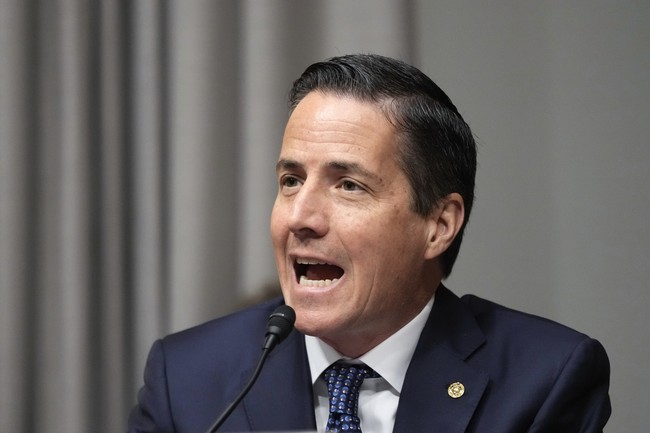
Senator Bernie Moreno, who defeated Sherrod Brown, has been blunt about enforcement and personal responsibility. He argues that beneficiaries knew their status was temporary and should have planned accordingly, saying in a recent public comment that they “should have self-deported already.” Moreno frames his argument around fairness to citizens and the rule of law, insisting that policy can’t reward those who rely on temporary arrangements indefinitely.
From a Republican standpoint, the clear message is that immigration policy must be consistent and enforceable. If the government grants temporary relief, it must also be willing to end that relief when conditions for doing so are met—or at least when the scheduled period ends. Allowing open-ended or ad hoc extensions risks encouraging more arrivals and undercuts confidence in immigration rules.
Moreno has pointed to fiscal and social impacts as reasons to adhere to the deadline rather than extend protections. He reminded listeners that taxpayer burdens increase with open-ended accommodation, and that incentives matter when public policy shapes migration decisions. His stance is less about vilifying migrants and more about defending finite public resources and predictable governance.
The practical reality for Ohio is that departures will create gaps in local labor markets, but those gaps are not permanent problems; they are opportunities for American workers. Local employers will adjust, wages and hiring practices will shift, and the supply of available jobs will realign. Politically, pushing for strict adherence to the TPS deadline allows elected leaders to present a clear policy choice instead of muddled compromise that simply delays an inevitable reckoning.
Opponents of ending TPS now argue that Haiti remains unstable and that returns would be inhumane. That argument carries emotional weight but runs into two problems: first, the definition of humanitarian relief must remain bounded to prevent mission creep; second, foreign instability does not obligate the United States to provide permanent refuge to every group affected by chronic hardship. Policy must balance compassion with national interest and legal consistency.
He (Moreno) doubled down on this stance in a recent interview with Statehouse News Bureau: “Everybody always knew the date, so we shouldn’t have to surge a force in there, to forcibly deport people who knew for a long time that they have to do that on their own.”
Moreno has criticized the $110,000-per-year burden per illegal migrant on taxpayers during a Breitbart News Daily interview, asserting that such spending eclipses what the average American earns annually. In that interview, he called the Biden administration’s immigration approach “abject insanity” and emphasized that migrants should only be admitted if they contribute economically without relying on government assistance.
There’s a simple policy principle at work: temporary programs should not be treated as pathways to permanence by default. If policymakers want to create permanent legal status, they should do so transparently and accountably, with full debate and clear statutory authority. Sneaking permanence into temporary protections by repeated delays or indefinite renewals erodes public trust and invites chaos in border and migration policy.
Enforcement need not be cruel to be firm. The government can provide transition support to departing individuals while maintaining that their stay was granted for a limited period. That approach recognizes human dignity without surrendering the rule that laws and deadlines matter. Providing limited assistance for reintegration is different from converting temporary relief into a long-term open-ended policy.
The political calculation is straightforward: voters expect borders and immigration programs to be administered sensibly and consistently. Politicians who insist that temporary protections mean temporary relief are arguing for predictability and fairness. That appeal resonates especially in communities feeling the strain of increased public costs and shifting local labor markets.



Add comment