
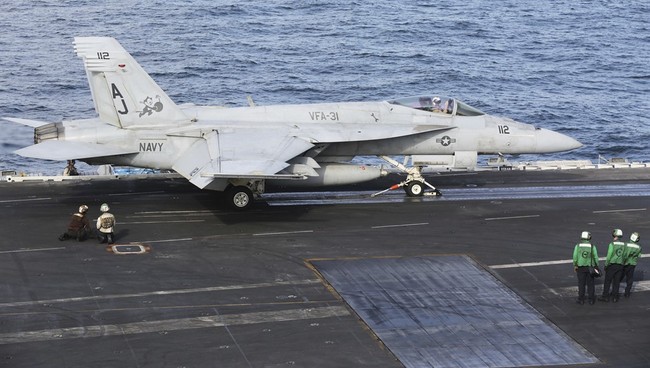
The Iranian regime launched a sudden missile attack on U.S. forces in the Middle East, U.S. Central Command says, and the United States, joined by Saudi partners, responded swiftly and precisely against Iran-aligned targets in Iraq; all Iranian missiles were intercepted and U.S. forces struck logistics and weapons sites tied to the attacks over the last 72 hours. The episode shows coordinated defense posture, regional cooperation with Saudi Arabia, and a clear message that attacks on U.S. personnel and infrastructure will not be tolerated. This account sticks to official statements and reported actions while noting the larger pattern of repeated attacks by Iran-backed militias earlier in the year. The following paragraphs lay out the timeline, the response, and the context without opinion overload.
U.S. Central Command reported the attempted surprise strike took place in the evening and involved multiple ballistic missiles launched from Iranian territory. Forces on the ground and in the region were on high alert and engaged defensive systems to intercept the incoming missiles. The interception of all the missiles prevented casualties and damage to U.S. positions. That immediate defensive success set the stage for a coordinated counterstrike directed at the groups that carried out or were ordered to carry out the attacks.
https://x.com/CENTCOM/status/2082231500318114110?ref_src=twsrc%5Etfw
Shortly after the defensive action, U.S. and Saudi aircraft conducted precision strikes in eastern Iraq targeting logistics hubs and weapons sites tied to Iran-aligned militant groups. Officials framed the strikes as a direct response to more than 30 IRGC-directed aerial drone attacks over the prior 72 hours. Those strikes aimed to degrade the capabilities of the militias that have repeatedly threatened U.S. forces and regional energy infrastructure. The inclusion of Saudi aircraft highlighted a cross-border shared interest in stopping attacks on energy and stability.
“At 5:45 p.m. ET today, Islamic Revolutionary Guard Corps forces launched multiple ballistic missiles from Iran in an attempted surprise attack on U.S. forces based in the Middle East. All Iranian missiles were successfully intercepted. U.S. forces remain vigilant and at a high state of readiness”
The official response emphasized deterrence: the strikes were targeted, surgical, and intended to send a message that continued aggression from Iran or its proxies would prompt further action. Military officials cited a pattern of harassment and attempted attacks earlier in the year, noting a heavy spike in incidents that threatened U.S. personnel and facilities. From February through April 2026, there were already numerous attempted attacks attributed to Iran-aligned groups operating in Iraq, creating a context of escalating risk that required a decisive response.
U.S. Central Command and the Saudi Arabian Armed Forces conducted precision strikes in Iraq, July 28, against Iran-aligned terrorists that the Islamic Revolutionary Guard Corps (IRGC) directed to attack U.S. forces and Saudi energy infrastructure. U.S. and Saudi fighter aircraft struck multiple terrorist logistics and weapons sites across eastern Iraq in a strong response to over 30 IRGC-directed aerial drone attacks in the last 72 hours.
The unwarranted attacks against U.S. forces were not successful.
From February through April 2026, there were more than 600 attempted attacks on U.S. citizens and facilities by Iran-aligned terrorist militias in Iraq.
The IRGC and its terrorist proxies must cease these attacks to avoid further U.S. military response.
That longform statement reiterated both the immediate circumstances and the broader trend of attacks that U.S. commanders say required action. The strikes targeted capabilities, not population centers, and officials framed them as necessary to protect troops and regional partners. The coordination with Saudi forces underscored a pragmatic alignment of interests: protecting critical infrastructure and deterring further Iranian-directed aggression.
On-the-ground U.S. personnel and commanders stressed vigilance and readiness after the intercepts, signaling that forces would remain prepared for any follow-up activity. The strikes in Iraq were described as both punitive and preventive, aimed at reducing future threats while showing that attacks have costs. Regional dynamics have shifted as partners like Saudi Arabia take a more active defensive posture to secure energy supply routes and deter proxy violence.
The sequence of events — attempted missile launches, successful interceptions, and precision counterstrikes — highlights how modern conflict mixes air defense, partnered strike operations, and intelligence-driven targeting. U.S. leaders framed these actions as necessary responses to persistent militia attacks and as clear warnings to the IRGC and its associated groups. The operational message was straightforward: attacks on U.S. forces or regional partners will meet a capable and coordinated military reply.


Add comment