
I’ll explain what the Board of Peace is, why the United States is leading it, how membership and funding work, address the main criticisms, describe who sits on the executive board, and outline what success would look like in practical terms.
The Board of Peace is a newly chartered international organization intended to stabilize conflict zones with an immediate focus on Gaza. Rather than funneling difficult crises into slow multilateral bodies, this structure puts a results-oriented mechanism on the table that is meant to move faster and tie resources directly to concrete outcomes. From a Republican perspective, this is about reclaiming American leadership and forcing other nations to put real commitments behind their words.
The genesis of the board came from a twenty-point plan to end the Gaza war and rebuild the territory under a transitional administration, an idea that gained enough traction to be referenced in international diplomacy last year. The new body is not simply a U.S.-run charity; it is an international organization with a formal charter and an explicit mandate to work on Gaza and other hotspots as needed. That institutional claim matters to conservatives who want American-led solutions that produce measurable results rather than endless debate.
Membership rules are intentionally selective and financially significant, with standard participation offered on three-year cycles and a permanent seat available through a one billion dollar contribution. Critics call that transactional, but there is a logic to it: permanent influence requires permanent investment. If nations want a sustained voice in shaping postwar Gaza and future peace efforts, asking them to put skin in the game aligns incentives and forces accountability.
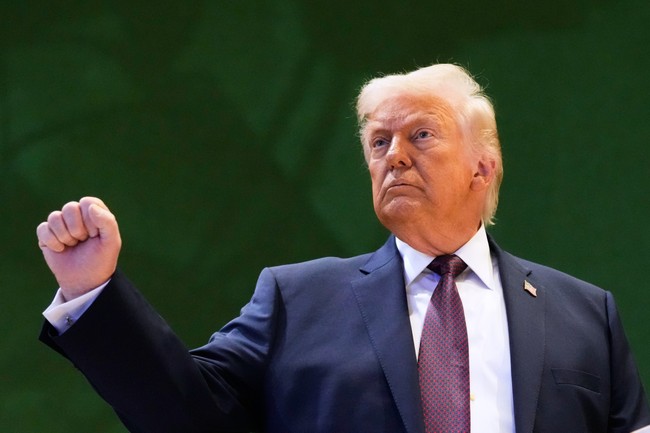
Two criticisms get the most attention. First, opponents say the board undermines or sidelines the United Nations and established institutions built for global diplomacy. Second, detractors object that President Donald Trump chairs the board, holds veto authority, and can name a successor, producing a highly personalized power center. Both concerns merit direct responses rather than reflexive denunciations.
The answer to the institutional worry is straightforward: existing international forums repeatedly failed to deliver peace in Gaza, and a different tool is needed. This board does not erase the United Nations; it creates a separate forum where states willing to act can link money, security guarantees, and political leverage to outcomes. For Republican realists, the appeal is that power and resources are matched to responsibility rather than dispersed across abstract committees that duck accountability.
On the personalization critique, having an American president at the helm is intentional and practical. The United States retains unmatched diplomatic reach, military capability, and financial influence to convene the key regional players and enforce agreements. Placing the U.S. president front and center makes the initiative politically accountable to voters in a way unnamed secretariats never are, and it signals to partners that commitments will be followed by action, not just statements.
The executive board mixes experienced political figures and modern dealmakers to broaden credibility and operational know-how. Members include Secretary of State Marco Rubio, special envoy Steve Witkoff, former British Prime Minister Tony Blair, and Jared Kushner, among others, which blends American leadership with international and regional experience. That lineup aims to combine diplomacy, political weight, and private-sector execution capacity to move reconstruction and stabilization projects forward.
Nothing about this plan guarantees success; relationships between the Board of Peace, any Gaza Executive Board it creates, and existing United Nations structures remain imperfect and will need real negotiation. Several European governments are hesitant or sitting on the sidelines, which is on them: influence requires investment, not just press releases. The central choice is now clear—states can join, invest, and help build something with teeth, or they can stay in the gallery offering statements while others act.
A conservative foreign policy values institutions judged by results rather than rhetoric, and this board is an experiment in that direction. If it secures even partial progress in Gaza by aligning resources, authority, and accountability, that outcome will reflect American leadership stepping forward instead of waiting for permission. The test will be pragmatic: can the Board of Peace translate commitments into reconstruction projects, security arrangements, and governance changes that reduce violence and create conditions for longer-term stability?


Add comment