
Checklist: Explain the tuition hike and total cost; detail the breakdown of charges and student reactions; include the university statement and exact quoted material; contrast costs with national rankings and alternatives like trade schools; present the long-term debt implications for a typical four-year path.
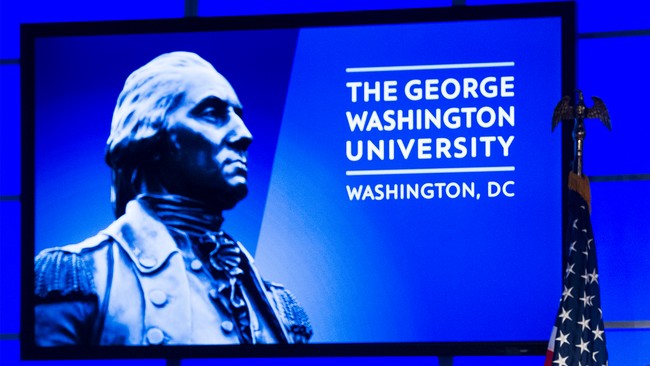
George Washington University is set to raise its price of attendance sharply for the 2026-2027 academic year, pushing the typical annual bill close to six figures for many students. The headline numbers make that clear: tuition, housing, fees, and estimated expenses all add up to a figure most families did not expect to face. This shift forces a hard look at what students actually get for those dollars and whether the traditional four-year route remains the best choice for a lot of young people. The campus experience in D.C. comes with a premium that will test family budgets and student plans alike.
The university announced a 3 percent increase in undergraduate tuition that moves the tuition line to about $72,000 per year. When room and board and other mandatory charges are folded in, returning students now see an estimated total cost of $98,165 and new students who must live on campus face roughly $95,155. Those totals represent an average increase of roughly $3,000 per student compared with the previous year. For many households, that jump is not just a budget shock; it reshapes long-term financial planning and loan expectations.
Beyond core tuition, the cost picture includes additional, unavoidable items: upperclass housing and meal plans are estimated at about $21,520 for second to fourth year students. Students should also expect to cover books, transportation, and miscellaneous fees that add an estimated $4,225 to the yearly tab. On top of that, mandatory institutional fees tack on another $420 for items the university requires. Add those pieces together and the total annual cost heads toward the high five-figure mark for the average undergraduate.
University communicators urged perspective, noting that individual student bills will vary depending on choices and aid. In its public response, GW emphasized continued commitment to educational quality and access while explaining that financial aid and merit awards affect net cost. Administrators framed the increase as part of routine annual budgeting and said multiple factors influence how much aid a student receives. The official comment stressed the institution’s interest in attracting and retaining talent even as prices rise.
In a prepared statement, GW Assistant Director, Media Relations, Julia Garbitt said,
“GW is committed to providing a world-class educational experience while maintaining accessibility and affordability. The university is proud to attract and retain talented students who will make significant contributions at and beyond our university. Many factors determine how much merit or need-based aid a student may receive. University leadership determines tuition and fees each year as part of annual budget planning.”
Students and families are reacting with a mix of frustration and conditional acceptance. One female student described the increase as “an extremely high amount. Like, definitely a big, big change.” A male student acknowledged the university’s strengths but tied his expectations to the price: he called GW a “great place” and said students “expect great resources and a great school by paying that tuition.” He added, “And hey, if it’s going to go up, the quality better go up as well.” Those comments reflect a simple consumer mentality: when you pay more, you expect better outcomes.
When compared with national peers, GW’s total cost now sits uncomfortably high relative to its ranking. For context, some top-ranked universities show annual price tags in the same ballpark while commanding much higher national ranking positions. That disconnect between cost and perceived value is prompting families to ask whether prestige alone justifies the expense. Colleges that chase higher revenues without matching improvements invite scrutiny about priorities and return on investment.
These arithmetic realities are influencing broader decisions among young Americans. A growing share of Gen Z is gravitating toward trade programs and skilled labor paths that promise quicker entry to the workforce and less debt. Nearly half of this cohort is working in blue-collar or skilled jobs, drawn by shorter training times and the possibility of strong pay without crushing student loans. That shift is a direct response to the escalating costs at many four-year institutions.
Looking at lifetime consequences, a student who borrows to cover these elevated costs risks carrying heavy debt for decades. Estimates suggest some incoming freshmen could face nearly half a million dollars in cumulative costs over four years if prices continue to rise and if borrowing covers the gap. That level of indebtedness would push loan repayment into midcareer for many graduates, affecting home buying, family planning, and retirement saving timelines for years to come.



Add comment