
This piece examines USDA Secretary Brooke Rollins’ response to SNAP fraud revelations and the political clash over benefits funding, outlines recent federal indictments tied to large-scale SNAP schemes, and looks at the broader debate over accountability and enforcement in benefit programs.
The political fight over SNAP funding came to a head as families faced potential benefit interruptions heading into the holiday season. Some Senate Democrats fretted about benefits timing, but the debate quickly became a broader argument over program integrity and contingency funding rules. That dispute exposed how funding mechanics and enforcement priorities collide when partisan pressure mounts.
House Minority Leader Hakeem Jeffries declared in late October that “They are choosing to withhold funding for SNAP because they want to punish hungry children, hungry veterans, hungry seniors, hungry women, and hungry families as part of their continued effort to hurt everyday Americans.” His words framed the Democratic narrative: funding shortfalls equal political cruelty. Republicans pushed back, saying the issue was less about withholding aid and more about ensuring the program was not hollowed out by waste and fraud.
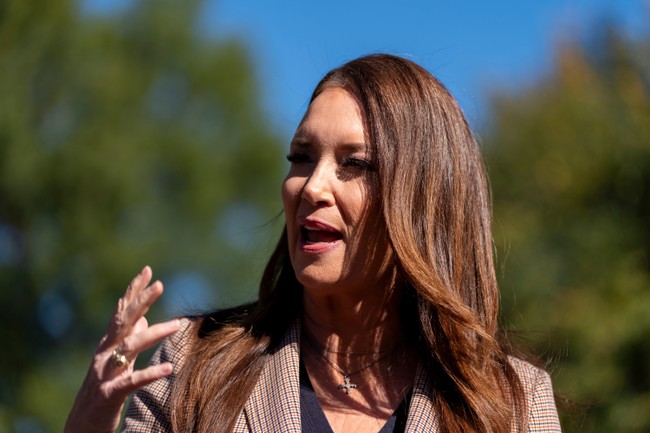
At a joint news appearance with GOP House Speaker Mike Johnson, USDA Secretary Brooke Rollins corrected a key talking point with a simple funding fact. She said, “There is a contingency fund at USDA… but it is only allowed to flow if the underlying program is funded,” which underscored a technical but vital legal constraint. That statement shifted the argument away from motive and toward the mechanics of federal budgeting and program rules.
Beyond funding fights, the policy changes from recent Republican legislation drew fire from Democrats for tightening rules around eligibility and enforcement. Those changes included raising upper age limits for able-bodied adults and ending benefits for most non-citizens, adjustments aimed at curbing abuse and ensuring taxpayer dollars reach those truly in need. The administration framed reforms as a necessary step to root out fraud and protect program integrity.
Rollins has made public education on SNAP abuse and taxpayer stewardship a priority, pointing to multiple enforcement actions as evidence the USDA and Justice Department are taking fraud seriously. She has highlighted investigations that reveal complex trafficking networks and coordinated schemes that siphon millions away from the intended recipients. That posture is meant to reassure voters that federal officials are actively pursuing those who exploit the system.
When it comes to SNAP Fraud, this is the Democrats’ process:
Step 1: It’s not really happening
Step 2: Yeah, it’s happening, but it’s not a big deal
You are here
Step 3: It’s a good thing, actually
Unfortunately for the criminal fraudsters, there’s a new sheriff in town, and we’re not going to accept the status quo. If you break the law, we will find you!
Federal prosecutors recently updated details on one such indictment, describing a scheme that allegedly stole a substantial amount in benefits. Two Romanian nationals unlawfully residing in the United States were charged after a grand jury indicted them for allegedly stealing more than $160,000 in SNAP benefits. The DOJ described a 26-count indictment alleging conspiracy, access device fraud, possession and trafficking of device-making equipment, and aggravated identity theft tied to point-of-sale compromises.
Two Romanian nationals unlawfully residing in the United States made their initial appearances yesterday after being indicted by a federal grand jury for their role in a conspiracy to steal more than $160,000 of benefits from low income and food insecure individuals and families.
Alexandru Telescu, 29, and Aramis Manolea, 35, have been charged in a 26-count indictment with conspiracy to defraud the United States, access device fraud, possession, production, and trafficking of device-making equipment, and aggravated identity theft.
[…]
According to court documents, beginning in April 2025, Telescu and Manolea, along with others, conspired to use stolen Electronic Benefit Transfer (EBT) account information and PINs to fraudulently purchase SNAP-eligible items, like infant formula and energy drinks. The defendants, along with their co-conspirators, also conspired to possess and use electronic devices to steal EBT account information and PINs from point-of-sale terminals in Oregon and elsewhere. The conspiracy used the EBT benefits at grocery stores in Oregon, Washington, and California. The stolen goods were packaged in storage units and loaded into vans and trucks for shipment to California.
That Oregon-centered case is only part of a wider pattern that federal prosecutors say spans multiple states and involves varied methods of theft and trafficking. Authorities allege conspirators used skimming devices, stolen account data, and coordinated retail redemptions to turn government benefits into cash and resalable goods. The result, prosecutors say, is millions diverted from needy families into criminal hands, with complex logistics moving goods between states.
In a separate enforcement action in Massachusetts, prosecutors announced charges linked to an alleged multistate trafficking scheme involving millions of dollars in SNAP benefits. Two men were arrested and accused of operating small retail outlets that redeemed extraordinarily large monthly SNAP redemptions, reportedly ranging from $100,000 to $500,000 per month. Authorities also alleged the defendants sold donated food meant for food-insecure children overseas, a charge that adds a particularly troubling moral dimension to the case.
Two men have been arrested and charged in an alleged scheme to fraudulently obtain millions of dollars’ worth of Supplemental Nutrition Assistance Program (SNAP) benefits through small retail stores they operated in Boston. Defendants’ monthly SNAP redemptions allegedly ranged from $100,000 – $500,000 per month, outpacing full-service supermarkets. Defendants also allegedly sold donated food product intended for food-insecure children overseas.
Antonio Bonheur, 74, of Mattapan and Saul Alisme, 21, of Hyde Park, were each charged with one count of food stamp fraud. The defendants were arrested this morning and will appear in federal court in Boston at 3:15 p.m. today.
These enforcement actions have fed a political argument about which states are doing a better job policing benefits. Observers note many high-profile fraud investigations have surfaced in liberal states, prompting questions about oversight and the effectiveness of local controls. The broader point for critics is that program rules and enforcement vary widely from state to state, and lax systems can create openings for large-scale schemes.
The conversation now centers on balancing immediate support for needy Americans with vigorous protections against theft and abuse. Republican policymakers emphasize that strong enforcement and proper funding mechanics are both necessary to maintain public trust in safety-net programs. As investigations proceed, officials on both sides will face pressure to show they’re protecting taxpayers and ensuring aid reaches those who truly need it.


Add comment