
The Bondi Beach attack has reignited the familiar debate over firearm control in Australia, and the government’s proposed national buyback scheme is being pitched as a quick fix. This article critiques that response from a Republican-leaning, practical perspective, arguing the buyback is symbolic, ineffective against determined attackers, and distracts from root causes like immigration policy and ideological extremism.
Gun buybacks are often sold as common-sense solutions, but in practice they tend to collect weapons from law-abiding owners while motivated criminals keep their tools or seek alternatives. The basic reality is simple: a voluntary or cosmetic buyback will not sway a jihadi bent on mass murder. Policymakers who want to reduce violent attacks should focus on the people and decisions behind them, not just the instruments used.
After the Bondi Beach massacre, Prime Minister Anthony Albanese announced a plan described as a national buy-back that will “buy surplus, newly banned, and illegal firearms.” The move is being framed as a way to “get more guns off our streets,” but the language and enthusiasm around destruction of weapons sounds more political than practical. Republicans tend to favor targeted policies that address threats and preserve individual rights, and a broad buyback feels like a political bandage rather than a strategic response.
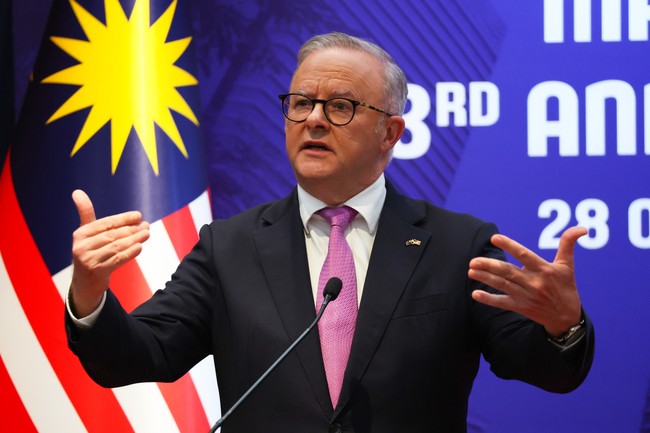
Australian Prime Minister Anthony Albanese has announced a national buy-back scheme for firearms to “get more guns off our streets” following the Bondi Beach massacre.
Speaking at a press conference in Canberra on Friday, Albanese said the scheme would buy surplus, newly banned, and illegal firearms. The government would introduce legislation to help with the funding of the scheme and meet the cost with states and territories, he said.
“We expect hundreds of thousands of firearms will be collected and destroyed through this scheme,” the prime minister added.
Promises of “hundreds of thousands” of collected weapons are easy to make and hard to verify. Experience shows many owners who turn in guns are not the profile of violent extremists; they are hobbyists, collectors, and heritage owners who will lose property for little public safety gain. Meanwhile, professional criminals and political terrorists seldom use mainstream buybacks to dispose of the weapons they plan to use.
Root cause analysis matters. A firearm is a tool, not a motive. Any thorough Republican critique must point out that the immediate cause of the massacre was a decision by attackers to commit violence. Larger contributing causes include failures in immigration screening, intelligence sharing, and integration policies. If a government ignores those threads and focuses on weapons alone, it will repeat the same mistakes.
There are practical questions left unanswered by the buyback pitch. Who defines “surplus” or “newly banned”? How will officials prevent the program from becoming an excuse for bureaucratic overreach that seizes guns from lawful owners? And what metrics will determine success beyond the optics of destroyed firearms? Concrete answers should matter more than political theater.
History also offers warnings. Countries that have pursued aggressive disarmament programs rarely see commensurate reductions in terrorism, because determined attackers adapt. They may switch to vehicles, edged weapons, explosives, or cyber-enabled tactics. A responsible policy response should anticipate adaptation and strengthen prevention at the human level: border control, counter-radicalization, policing, and intelligence work.
From a civil-liberties angle, voluntary programs drift toward compulsion over time. A voluntary buyback can set the stage for stricter rules and future mandates, eroding property rights in incremental steps. Republicans should be skeptical of programs that start soft and become coercive, especially when they create winners in political messaging but leave actual security unchanged.
There is also a fairness issue. Removing firearms from law-abiding citizens penalizes those who follow rules while doing little to deter criminals. Policies should focus on punishing and incapacitating violent actors and repairing gaps in enforcement rather than saddling innocent people with new burdens. That approach respects rights and targets real threats.
Australia now faces an important choice: pursue showy, feel-good measures or tackle the deeper policy failures that allowed violent actors to strike. A move toward stronger intelligence, improved vetting, better law enforcement coordination, and clearer immigration standards would address the causes rather than the tools. Those are the kinds of measures that actually protect innocent civilians.
The buyback proposal may play well in press conferences, but practical policy requires tougher answers and real prevention. If the government insists on acting, let it invest in measures that identify dangerous actors and stop attacks before they start, rather than settling for symbolic destruction of property that will not remove the human decisions that create terror.


Add comment