
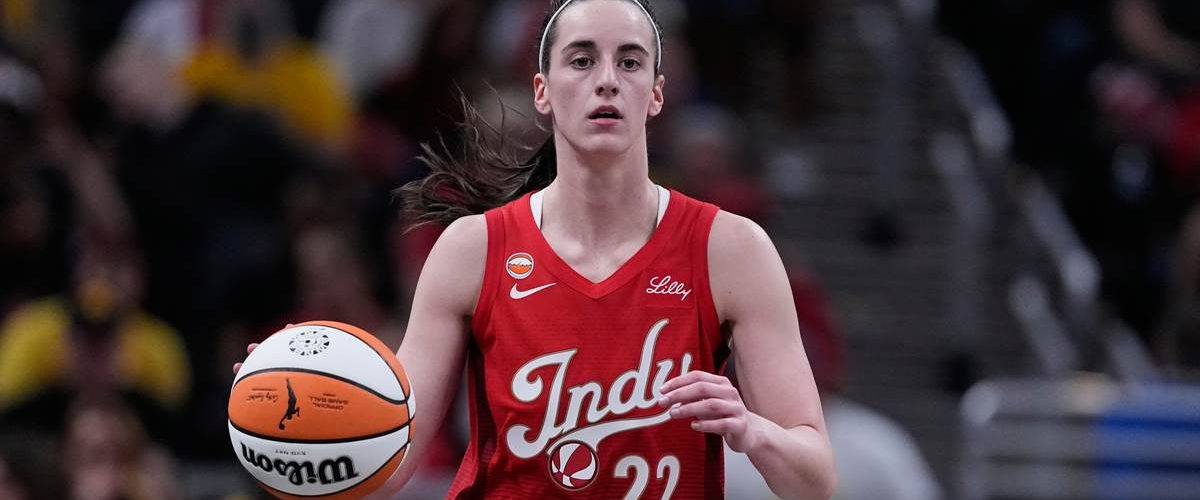
The Essex Files: Team USA Needs Merit, Not Media Theater With Caitlin Clark
Caitlin Clark has become the lightning rod for attention around women’s basketball, and that attention raises a choice for Team USA: build on proven performance or chase manufactured storylines for clicks and coverage.
Caitlin Clark earned her place on the national stage through production and by changing the eyeball dynamics around the sport. Her entrance into professional basketball boosted ticket sales, TV ratings, and a new generation’s interest in women’s hoops. Those are measurable shifts that come from play on the court, not from staged media pairings or promotional theater. The national team should recognize that influence and use it to strengthen the roster, not dilute it with contrived narratives.
In Indiana, Clark’s play translated into results for her franchise and for the broader WNBA brand. Teammates who share the same professional habits—gritty defense, consistent effort, and unglamorous work in practice—helped elevate the Fever into relevance. That kind of team-building reflects merit and standards, the things that win games and create sustainable interest. Team USA’s selection process should reward those standards rather than prioritize who makes the juiciest headline.
https://x.com/FeverUpdate/status/2093824584315470217
Some players attract attention through on-court toughness and others through off-court persona. Angel Reese, for example, has developed a public image that includes provocative moments and direct exchanges with other stars. Those personal dynamics are part of the story fans have followed, and they shape how players are perceived. Expecting the public to forget a visible rivalry and to package those athletes as a tidy joint narrative ignores reality and risks alienating the audience that already knows the history.
Team chemistry matters more on the international stage than it often does in domestic leagues. When the World Cup or Olympic stakes are high, the team needs cohesion rooted in shared expectations about preparation and conduct. Putting together a roster based on marketable friction rather than complementary skill sets can undermine that cohesion. The right approach is to pick players who produce consistently, respect team roles, and set a professional tone for younger players to follow.
Performance metrics back up the case for Clark as a focal point. Attendance and viewership increases, along with grassroots interest, correlate strongly with her emergence as a national figure. Those shifts are not just anecdotal; they represent revenue, attention, and a pipeline of developing talent paying attention. Sports fans and organizers who value results should let the market signals guide roster emphasis instead of forcing storylines that don’t align with on-court reality.
International opponents will test every aspect of Team USA’s game, from halfcourt execution to late-game decision-making. Clark has shown she can handle pressure through college and now at the professional level, but the national team’s success depends on how well the roster functions together. Giving Clark the space to lead, while surrounding her with teammates who match her work ethic and commitment, increases the team’s chances of winning. That’s the kind of pragmatic selection process that wins medals.
Critics will pine for manufactured drama because it draws clicks and conversation, but drama is not the same as a winning strategy. The fans who actually follow the game want to see teams built around talent and consistent habits. Role models are meaningful when their behavior on and off the court aligns with the image being promoted. Clark and her Indiana teammates demonstrate that alignment through their play and preparation, not through publicity stunts.
Selecting players based on how good a media moment they might create imposes unnecessary risk on a team that should be laser-focused on execution. The U.S. can set a clear standard: feature those who have elevated the product by skill and work, and trust that competition will reward that decision. National teams that prioritize form over substance rarely reach their potential in major tournaments. The priority should always be to maximize the lineup that has the best chance to win.
This argument is not about personalities or silencing anyone. It’s about recognizing what has demonstrably worked and amplifying it on the international stage. Hard-earned results from Clark, Sophie Cunningham, Aliyah Boston, Lexie Hull, and others provide a blueprint: award opportunity to performance, protect team chemistry, and present consistent examples for young players. That approach produces the kind of sustainable growth and competitive success that benefits the sport long term.
Trust the evidence over the optics. Let merit and shared standards guide selection and spotlight choices for Team USA, so the World Cup puts the best product on the court rather than the loudest storyline on the front page.



Add comment