
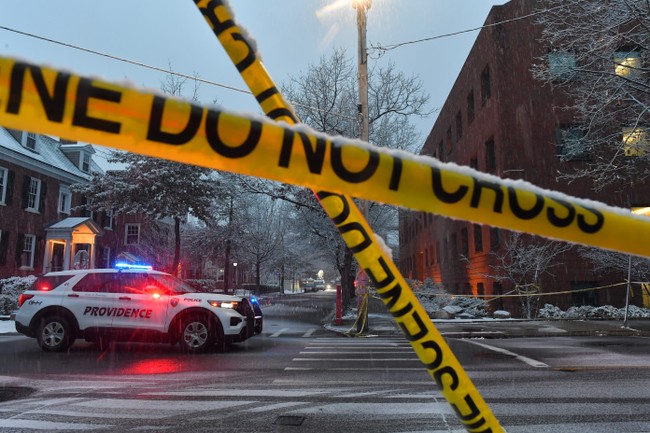
Republican Rep. Elise Stefanik is demanding that Brown University President Christina Paxson testify under oath before Congress after a deadly campus shooting that left two students dead and several injured; this article lays out the unresolved questions about security, university leadership, and alleged decisions that may have compromised campus safety.
Representative Elise Stefanik has called for a congressional hearing to bring Brown University President Christina Paxson before lawmakers after the horrific on-campus shooting. The shooter, identified as 48-year-old Claudio Manuel Neves Valente, reportedly killed himself, but the attack left two students dead and nine others wounded, and raised serious questions about how the university managed safety and communications. The victims included 19-year-old Ella Cook and 18-year-old Mukhammad Aziz Umurzokov, and authorities linked the suspect to the separate killing of an MIT professor, Nuno Loureiro. Those connections and the suspect’s escape after the campus rampage have deepened concerns about institutional failures.
Stefanik and other critics say multiple loose ends still need answers, from the timeline of events to whether campus security systems were fully operational. Reports indicate confusion and inconsistent updates from officials early on, which frustrated families and the public trying to piece together what happened. The quality and availability of surveillance footage have been questioned, and some observers accuse university officials of offering insufficient or unclear information during press briefings. Those communication failures intensified calls for accountability at the highest levels of the university.
“It seems very clear to me that the president of [Brown University] will need to be hauled in front of Congress for a hearing under oath,” she . This exact demand from Stefanik frames the push for a formal inquiry that would compel testimony under oath and allow investigators to examine internal decisions and policies. Lawmakers want to know what Paxson and other administrators knew, when they knew it, and whether any choices worsened the danger students faced that day. The public deserves straight answers about whether campus protocols and leadership choices put students at risk.
Questions have swirled about alleged compromises to security tied to campus activism and claims that university officials disabled or limited surveillance as a concession to certain groups. Reporters and commentators described some press events as chaotic, and officials were criticized for presiding over briefings that did not clarify key facts. At one point the university president was reportedly pulled from subsequent briefings amid confusion over what she could or would say. Those developments fed a narrative that senior leadership had failed to provide the transparency and control needed in a crisis.
Investigations into whether surveillance cameras were deliberately disabled or managed in a way that hindered investigators will be central to any hearing. Journalists reported outrage at the poor quality and availability of footage released to the public, and some accused officials of using sanctuary-related arguments to limit camera access. Those accusations, if substantiated, would show a reckless prioritization of political positioning over basic campus safety. Congress needs to explore whether policies or pressure from outside groups influenced how security systems were operated.
The shooting also reopened debates about the university’s handling of protests, free speech, and antisemitism on campus, and how those challenges intersect with campus safety. Brown previously reached a settlement that included a $50 million payment over 10 years tied to workforce development and research funding, a fact that has been cited in discussions about the university’s relationship with federal partners and political pressures. Critics worry that institutional priorities and political considerations sometimes override the core mission of protecting students and maintaining order.
Stefanik, who has positioned herself as a vocal conservative voice on campus safety and accountability, suggested the hearing would take place after the New Year and would probe those complex overlaps between activism, administrative choices, and security operations. Lawmakers will likely demand documents, internal communications, and clear testimony to determine whether decisions by university leadership contributed to the tragedy. A thorough congressional review could reveal whether systemic problems need fixing to prevent future loss of life.
Families and the campus community remain traumatized and are seeking concrete steps and answers rather than vague reassurances. The widow or survivors of any institutional lapse deserve clarity about how and why safeguards failed. A congressional hearing would give witnesses the legal obligation to answer under oath and could compel evidence that university officials have so far not provided in public forums.
Beyond the immediate investigation, this episode has rekindled national debates about campus governance and whether university administrations are prioritizing ideological concerns over safety. If disclosures show avoidable mistakes or misplaced priorities, Congress will have to consider reforms that make campuses safer and ensure that leadership is held accountable. The demand for Paxson to testify is the next step in forcing a full accounting of what went wrong and who is responsible for fixing it.

Add comment