
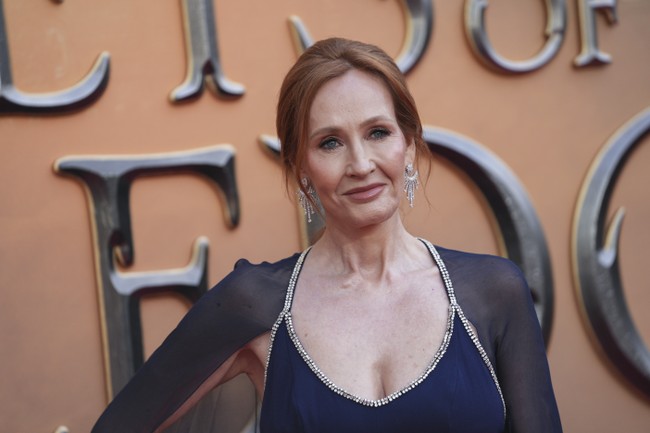
J.K. Rowling publicly criticized left-leaning activists for staying quiet about the mass protests in Iran, arguing that their silence shows they tolerate oppression when it is carried out by enemies of their enemies; this piece lays out her comments, the U.S. reaction, violent incidents at U.S. protests, and the human cost reported in Iran.
J.K. Rowling called out those who claim to champion human rights but refuse to back Iranians risking everything for freedom. She wrote plainly that if you “claim to support human rights yet can’t bring yourself to show solidarity with those fighting for their liberty in Iran, you’ve revealed yourself.” Her point is that selective outrage exposes priorities more than principles.
Rowling connected current events to her past stands against radical elements of the transgender movement, saying her critics were proven wrong and that now she stands with protesters facing severe reprisals. Her voice carries weight because she has been outspoken on culture wars before, and now she’s speaking up for people confronting a brutal regime. That continuity has drawn attention from both supporters and detractors.
These comments landed amid a brutal crackdown in Iran where reports say more than 500 protesters have been killed. The scale of the repression has prompted condemnation and concern outside Iran, and it is a major test for global human rights advocates. Observers are watching how governments and public figures respond, and whether rhetoric will be matched by any concrete pressure on Tehran.
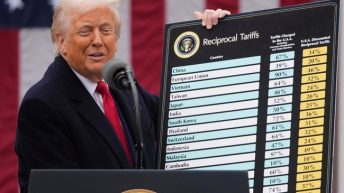
The U.S. political reaction has been direct. President Donald Trump spoke publicly about the protests while aboard Air Force One, warning of potential steps the U.S. could take. “They’re starting to, it looks like, and there seem to be some people killed that aren’t supposed to be killed,” he said. Trump also criticized Iran’s leadership, calling into question whether those in power are legitimate leaders or simply rulers who rely on violence.
Trump warned the regime that further killings could draw a strong U.S. response and made clear he was weighing options. “These are violent — if you call them leaders, I don’t know if they’re leaders or just if they rule through violence. And, we’re looking at some very strong options. We’ll make a determination.” The president has continued to stress measures that avoid ground combat yet promise to “hit them very, very hard where it hurts.”
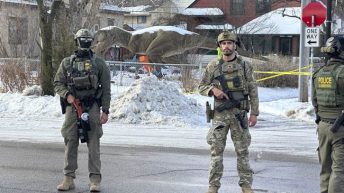
On the streets of American cities, Iranian-Americans and other supporters have staged rallies to back the demonstrators at home. Those gatherings have sometimes turned chaotic, underscoring how charged the issue is even abroad. At a Los Angeles protest, an extremely dangerous incident occurred when a U-Haul driver plowed into demonstrators, escalating tensions further and prompting rapid law enforcement intervention.
The incident in Los Angeles was chaotic: protesters rushed the vehicle and confronted the driver before police detained him. Local footage captured the panic and confusion at the scene, showing how protests about foreign events can quickly spill into violent encounters domestically. Such episodes highlight the risks activists and bystanders face during volatile demonstrations.
Coverage from multiple outlets and commentators has circled back to the core debate Rowling raised: whether human rights advocacy is consistent or selective. Critics who remain silent on Iran risk being seen as prioritizing political alliances or ideological battles at the expense of basic freedoms. Those who loudly oppose other abuses but not state violence in Iran find themselves open to sharp rebuke.
The broader public conversation has also focused on the nature of solidarity in a polarized age, where alliances are often judged by who the enemy is rather than what the right course of action might be. Support for protesters in Iran has become a litmus test for many, and public figures are being scored for where they stand. That pressure shapes discourse and can force some voices to clarify or change their positions.
Meanwhile, accounts of the human toll continue to emerge from Iran and from Iranians in the United States demonstrating for change. The images and reports from the ground show people risking their lives to demand basic freedoms, and those sacrifices have intensified the debate over international and domestic responses. As calls for accountability grow louder, the question remains whether silence from any quarter will be seen as complicity or careful diplomacy.
Add comment