
This piece examines New Jersey Gov. Mikie Sherrill’s plan to launch a portal for citizens to upload videos of ICE agents, highlights Florida and Gov. Ron DeSantis’s opposing approach to immigration enforcement, and responds to the apparent political double standard from a Republican perspective.
Democrats keep showing a willingness to protect illegal actors over law-abiding Americans, and Gov. Mikie Sherrill made that clear in a recent media appearance where she announced a state portal to collect videos of alleged ICE activity. That move flips the usual argument about federal versus state responsibility on its head, urging citizens to film and report federal officers doing their jobs. This is not about neutral oversight; it is a political tool aimed at hampering enforcement of federal immigration law.
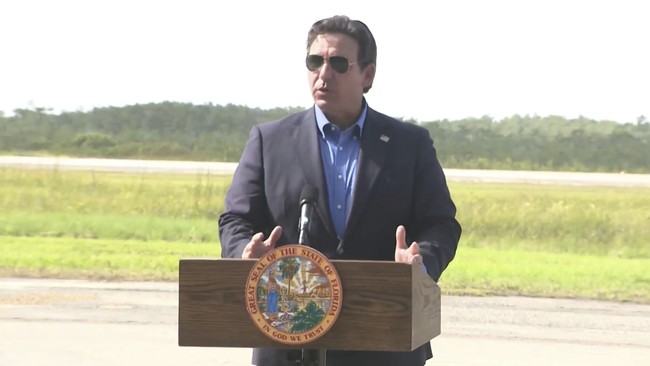
The reaction from Republican leaders was immediate and predictable: call out the hypocrisy and defend the need for strong border and interior enforcement. Florida under Gov. Ron DeSantis has been actively supporting federal efforts to detain and deport criminal illegal immigrants, building infrastructure and policies to back enforcement. DeSantis frames the choice plainly—protect citizens and enforce the law, or invite chaos by obstructing federal agents.
Sherrill presented the portal as a way for residents to document ICE activity and “alert people,” which she described in the interview. The rhetoric deliberately encourages confrontation and public exposure of agents who are acting under federal authority. Conservatives see that as politically motivated obstruction, not public safety policy, and they are vocal about the risks that tactic creates for both officers and communities that rely on law enforcement.
Lefty New Jersey Gov. Mikie Sherrill urged residents to film ICE agents operating in their neighborhoods and upload the videos to a state “portal” she vowed to launch.
“If you see an ICE agent in the street, get your phone out,” the Democrat, just eight days into her first term as governor of the Garden State, said in a sit-down interview with The Daily Show host Desi Lydic Wednesday night.
Sherill’s administration will soon be launching a “portal,” she said, so New Jerseyans “can upload all their cell phone videos and alert people” about local immigration operations.
Republicans argue that encouraging citizens to film ICE agents will chill federal enforcement and put agents at greater risk, as their movements and identities could be exposed to hostile actors. There is a broader pattern here: when federal enforcement lines up with Democratic priorities, some Democrats have said states cannot step in; when enforcement aligns with Republican priorities, some Democrats suddenly endorse state interference. That contradiction is exactly what critics like DeSantis are calling out.
DeSantis has publicly pointed to that flip-flop and framed it as a lesson in political convenience: some politicians will cite federal supremacy when it suits them and champion state action when it helps obstruct federal efforts they dislike. He argues the real duty of governors is to protect citizens from the consequences of lax national immigration policy, not to help shield offenders from being stopped and removed. From a Republican viewpoint, this is a matter of law and order, plain and simple.
When Biden refused to enforce immigration law, we were told that states couldn’t enforce those laws because it was a federal function.
Now, when Trump is trying to enforce federal immigration law, these same people say it’s fine for states to obstruct and sabotage the carrying out of this same federal function.
The contrast between New Jersey’s portal plan and Florida’s supportive stance for federal enforcement is stark and intentional. Florida has established temporary detention facilities and other measures to ensure immigrants who commit crimes are processed and removed when appropriate. Supporters argue these steps protect local communities and reduce the burden on taxpayers, while opponents paint them as harsh or inhumane.
Encouraging citizens to film federal agents in the street is a political choice with real consequences for safety and enforcement. It invites spectacle and interference at moments when agents may be executing arrests tied to criminal investigations. Republicans warn that normalizing surveillance of law enforcement by politicized state portals undermines the rule of law and could deter necessary actions that keep neighborhoods safe.
Beyond the immediate debate, this controversy highlights a larger clash over the proper role of state governments in immigration matters. Should states assist the federal government in enforcing immigration law, or should they create channels to expose and obstruct federal agents? The answer Republicans offer is straightforward: cooperate with federal enforcement and prioritize public safety, rather than empowering tools that complicate and politicize the work of federal officers.
Policy disagreements around immigration will continue to produce sharp rhetoric and symbolic moves like Sherrill’s portal, but the practical effects matter more than slogans. When politics interferes with enforcement, the people who pay the price are ordinary citizens and law enforcement professionals on the ground. That reality is central to the Republican critique and to the argument for stronger partnership between states and the federal government on immigration enforcement.
Watch:
Public debates and policy tests like this portal will keep playing out across states this year, and the consequences will be seen in courtrooms, local communities, and on the streets where enforcement takes place. For those who believe in enforcing immigration law and protecting citizens, the choice is clear: support the agents doing that work or empower systems designed to impede them.

Add comment