
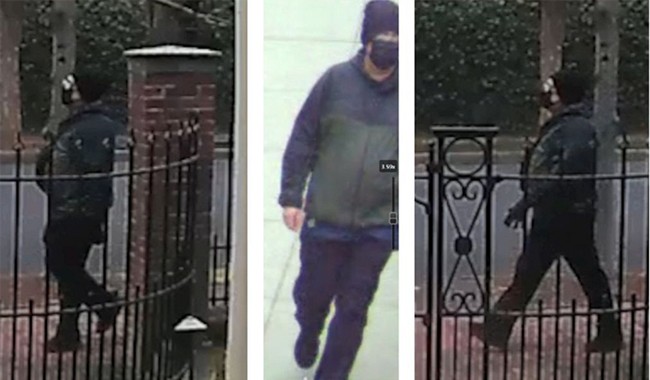
The following article explains what full radio transmissions from the Brown University shooting reveal about first responder timelines, witness reports, and lingering questions about the initial law enforcement and campus responses.
Audio from the active shooter event at Brown University circulated widely online in clipped and edited forms, but one account shared a more complete feed. The Mountain Time–stamped recordings from Dirt_Diver_24_7 line up with reported events and give a clearer sense of how calls and officer movements unfolded. That fuller audio lets us hear dispatch clarifying reports, officers requesting entry, and the evolving designation of an active shooter incident.
Initial dispatch transmissions came in quickly after shots were reported, and callers described multiple people running from the scene. The earliest radio logs note a caller reporting approximately five shots and people fleeing near the east end of a building. Within a minute or two dispatchers were already fielding multiple corroborating calls from Thayer Street and surrounding areas about gunfire and people running in different directions.
Later in the transmissions, a victim’s location was relayed to dispatch and officers began to triangulate where injured people were outside the Barus and Holley Engineering building. The exchanges show responders trying to confirm who needed aid and where survivors had moved. Confusion about exact locations and the movement of people appears repeatedly in the early minutes, as units patched together fragmentary witness accounts.
1:07:21: 92, receiving a call from 184 Hope, east end of building, caller heard about five shots and noted two individuals running. [indecipherable] time to gather information.
As more callers reported victims, dispatchers relayed specific addresses and walking directions from people who had been shot. That detail prompted officers to coordinate locations for medical aid while also trying to track a possible suspect. Within a few minutes, witnesses began offering descriptions that officers used to search nearby buildings and staging areas.
1:07:51: Just want to advise those responding units we’re getting multiple calls all from sort of the same area, Thayer Street, possibly [indecipherable] all stating they heard shots fired, and [indecipherable] fleed [sic], running in different directions, no real information.
Around 1:11 p.m. in the recording, witness descriptions coalesced into identifying details that officers repeated over the air. The exchanges mention an individual in all black with a mask and at least one caller describing a Caucasian male. Officers then discussed whether that person could have fled into a building near the scene, prompting requests for tactical assets and shield support.
1:11:48: Looking for a male dressed in all black…
1:11:52: Assailant he’s wearing a mask. That’s all we have at this point.
11:11:52: All Black clothing, with black face mask.
1:12:09: Caucasian male shooter.
The recordings show a steady escalation from isolated calls to a confirmed active shooter situation. At one point an officer asks for permission to enter a building where multiple casualties were reported, and dispatch confirms that a shield or detective is en route. Despite that, the audio leaves a window of several minutes between early reports and an explicit unified command directive to treat the incident as an active shooter event.
1:16:37: Listen do we have victims in this building were in right now? There’s multiple losses in this building.
Shortly after, dispatch declares the incident an active shooter situation and instructs units to stage in safe locations while unified command is established. The timing in those transmissions has raised questions because there is roughly a ten-minute span between the first calls and the point where coordinated intervention is heard over the air. That gap is central to public concerns about response speed and tactical choices.
1:16:49: Dispatch be advised, there’s an active shooter situation, we have multiple victims.
[…]
1:17:05: We are going to unified command situation, make sure [indecipherable] staged in a safe location [indecipherable].
The campus response has also been criticized in the recordings and related reports, with students saying an independent app warned them before the university’s official messages went out. University alarms reportedly did not trigger as expected, and the official campus alert that is in the audio appears roughly 20 minutes after the first 9-1-1 calls. Those details have fed frustration about communications and emergency preparedness on campus.
Saturday, December 13, 4:22 p.m.
BrownUAlert: 1st, Urgent: There’s an active shooter near Barus & Holley Engineering. Lock doors, silence phones and stay stay hidden until further notice. Remember: RUN, if you are in the affected location, evacuate safely if you can; HIDE, if evacuation is not possible, take cover; FIGHT, as a last resort, take action to protect yourself. Stay tuned for further safety information.
The audio also captures law enforcement detaining and later releasing a person of interest, and it is clear from the recordings that investigators are still piecing together how the suspect accessed the building and what the motive might have been. Video enhancements and exterior camera reviews are being referenced in press briefings, but many key questions remain unanswered in the public record.
For residents and families, the most pressing need is clarity and accountability about how the timeline unfolded and what tactical choices were made. The full Dirt_Diver_24_7 recording provides material that investigators and the public can use to cross-check official accounts and timelines as the search for the shooter continues.
LISTEN:

Add comment