
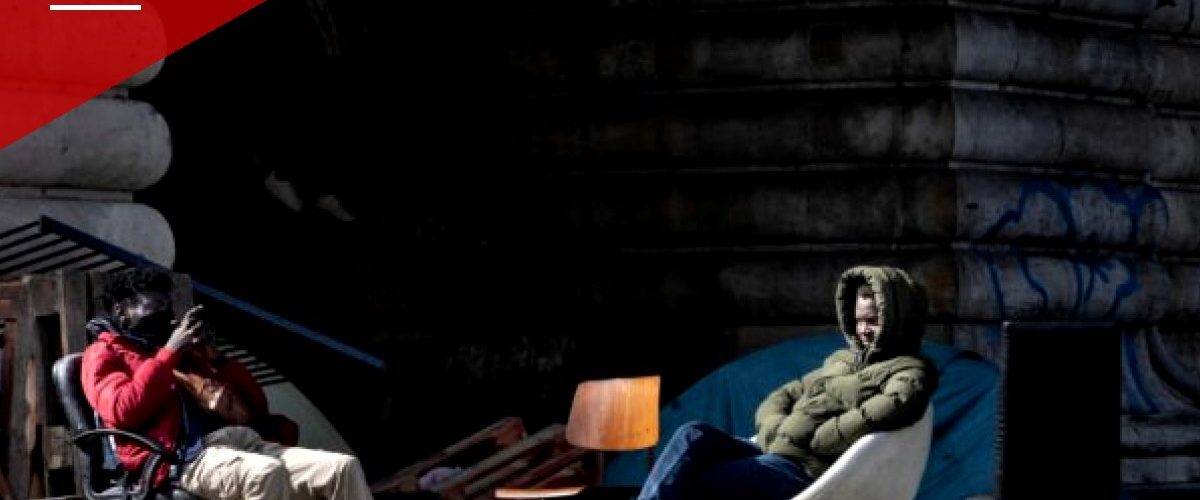
A new government study in France has found that 84 percent of people living in publicly funded social housing shelters are foreign nationals, a figure likely to intensify debate over immigration and welfare spending ahead of the country’s presidential election.
The data come from Drees, the statistical service for France’s health and social ministries, which reported that 245,200 people were housed in “socially vulnerable accommodation centres” at the start of 2025. That figure represents 93.6 percent of the 261,900 available shelter spots nationwide.
Of those housed, the overwhelming majority of foreign nationals came from outside the European Union. Only 3 percent of the accommodations were occupied by migrants from other EU countries.
The report also broke down residents by age. Minors made up 32 percent of those in shelters, while those aged 18 to 34 accounted for 35 percent — meaning nearly two-thirds of shelter residents are under 35, even though those two age groups together make up only about two-fifths of the general French population. People over 50, by contrast, made up just 11 percent of shelter residents despite representing 41 percent of the overall population.
Men made up 54 percent of shelter occupants, according to Drees, though the share of women has risen two percentage points since the agency’s last study, conducted between 2020 and 2021. A majority of adults in shelters — 56 percent — are single and childless, compared with 26 percent of the general population, and men make up 73 percent of that single, childless group.
The average stay in a government-provided shelter was 18 months as of January 31, 2025. A quarter of residents had stayed at least 23 months, and one in ten had stayed 43 months or longer. Nearly six in ten residents had previously been housed in other forms of social housing, including emergency shelters and hotels, before moving into their current accommodation.
Just 14 percent of shelter residents held a job, Drees found, while four in ten were legally barred from working because of their immigration status.
A Flashpoint in the Presidential Race
The findings arrive as social housing becomes a central issue in France’s presidential campaign. National Rally candidate Marine Le Pen has pledged to give French citizens priority for government-sponsored housing, calling the existing system “costly, clientelist, unfair, and rigid” and arguing it “primarily benefit[s] incessant and chaotic immigration” instead of “French families in need.”
“We must give priority access to social housing for the French,” Le Pen said in a September speech. “These social housing units were paid for thanks to the financial efforts of our parents, our grandparents; it is intolerable that the French, due to questionable criteria, are excluded from low-rent housing.”


Add comment