
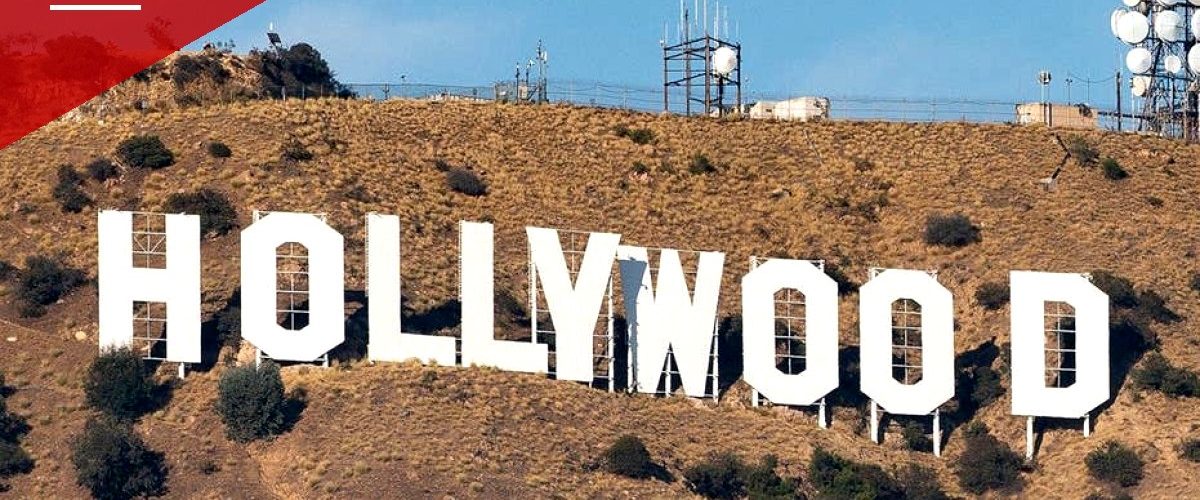
California’s entertainment industry is losing ground to competing states even as President Donald Trump pushes federal legislation meant to keep film and television production in the United States, according to industry experts who spoke with Fox News Digital.
Shoot days in California have fallen roughly 40% since 2023, according to data from FilmLA. “Hollywood doesn’t mean Hollywood anymore. Hollywood is empty,” Trump said at a rally in October. Entertainment lawyer Jonathan Handel told Fox News Digital the president’s remark “is not without a lot of truth, unfortunately.”
Trump has recently turned his attention to the industry, writing on Truth Social last week that Hollywood and other production centers “have been virtually ’emptied out’ by the Tax Incentives, and much more, given by other Countries.” He said production “was MADE IN AMERICA, and must STAY IN AMERICA.”
The president said he is working with Sen. Adam Schiff, D-Calif., on the Motion Picture, Television, and Entertainment Revitalization Act, a bill that would create a 20% federal production incentive for films. Handel said such a national incentive, which countries like Ireland already offer, “would stack on top of state incentives, whether California, whether Georgia, New Jersey, New York.”
The White House told Fox News Digital it wants to “Make Hollywood Great Again” and keep the industry a “powerful source of American culture.”
The State-Level Problem a Federal Bill Won’t Fix
A national incentive could help pull productions back from overseas, but it would not resolve California’s disadvantage against other states offering richer tax credits, experts said.
California’s film tax credit is currently capped at $750 million. Gov. Gavin Newsom has proposed raising that cap to at least $1 billion. Fox News Digital reached out to Newsom’s office for comment.
By contrast, Georgia offers an uncapped credit, while New York and New Jersey offer larger or more flexible incentive structures that let productions access funding without competing for a limited pool of money.
“For many, many years, this industry was in California and New York for the most part. And then we saw Canada get into the incentive business. And then, we saw many countries start to build out their own incentive structure. And the truth is, they work,” said Stagerunner founder and CEO Jason Fisher. “It’s cheaper to go elsewhere.”
Handel put it plainly: “It would have been easier to keep this production in Los Angeles than it is to claw it back.”
New Jersey’s Aggressive Push
New Jersey has emerged as one of California’s most formidable rivals, drawing major investment from Netflix, Lionsgate and Skydance. Production spending in the state has jumped from roughly $67 million to more than $1 billion in less than a decade.
“They’ve been a very savvy and very aggressive competitor,” Handel said.
Fisher pointed to New Jersey’s 35% rebate, which also covers above-the-line costs such as actor and director salaries. “It is about as competitive as it gets,” he said, noting that Netflix, Lionsgate and another company called 1888 are all building studios there. “There’s a lot of infrastructure.”
Fisher also criticized California’s application process for its tax credit, calling it “a gigantic hassle” with no guarantee of acceptance. States with uncapped incentives, he said, offer producers more certainty because they aren’t competing against other projects for a limited pot of money. “When there’s no cap, you don’t have to fill out an application and be accepted,” he said. “That makes it a lot easier for producers.”
Handel agreed that California’s limited credit pool puts it at a structural disadvantage: “When you’re competing against uncapped incentives in New Jersey, Georgia, and the European countries, it’s not enough.”
Infrastructure Is Following the Incentives
As New Jersey, New Mexico, Texas and Georgia built out more competitive incentive programs, studios began investing in permanent infrastructure in those states — sound stages, vendor networks and trained local crews — further pulling the industry’s center of gravity away from California.
“As we saw those incentive programs grow, then we saw infrastructure build out. We saw companies building sound stages, we saw a local crew workforce training happening,” Fisher said. “Once you’ve got vendors, local crew, sound stages and a competitive incentive, there’s no reason to stay here in California anymore.”



Add comment