
A federal jury in Miami convicted Christian Emmanuel Sanon on Wednesday of all eight charges tied to a conspiracy that killed Haitian President Jovenel Moïse, capping an eight-week trial that traced the plot’s financing back to American COVID-19 relief funds.
Sanon, a dual Haitian-American citizen, faces up to life in prison when he is sentenced Feb. 10. His attorney, Zeljka Bozanic, said the defense was disappointed by the outcome and intends to appeal.
Prosecutors told jurors that the scheme began as a plan to install Sanon as Haiti’s president in exchange for infrastructure and security contracts, before the conspirators dropped him for another candidate weeks before the killing.
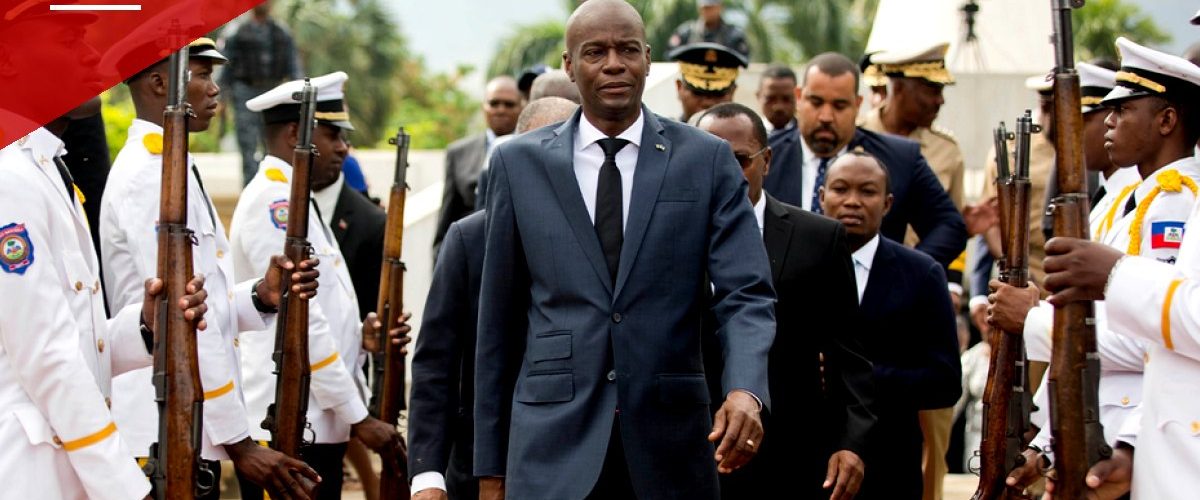
Moïse was shot and killed at his home on July 7, 2021, when a squad made up largely of retired Colombian soldiers raided the residence. His wife was wounded in the attack.
Sanon testified in his own defense, denying any knowledge of a plan to kill the president. He said he had been in contact with people looking to replace Moïse but that those backers had switched to a different candidate well before the assassination took place.
South Florida as the Planning Hub
According to prosecutors, the conspiracy was largely organized and bankrolled out of South Florida, involving roughly two dozen foreign mercenaries. Part of that financing, investigators said, came from money drawn out of federal pandemic relief programs that were meant to prop up struggling businesses.
Court records say the plot took shape in April 2021, when Sanon met in South Florida with a former Haitian senator and several American businesspeople. The group allegedly agreed that once Sanon took power, two Florida-based companies would receive contracts for infrastructure, security forces and military equipment.
Those companies went on to hire about 18 Colombians with military backgrounds to serve as security for Sanon, prosecutors said. Over the following months, the conspirators acquired weapons and body armor and sought connections with Haitian gangs.
Prosecutors also said Sanon personally helped raise money for the operation and organized travel and housing in Haiti for himself and others involved.
By June 2021, the group had decided Sanon did not meet the constitutional requirements or hold enough public support to become president, and shifted their support to a different candidate — just weeks before the assassination was carried out.
A Widening Prosecution
Sanon is now one of a dozen people convicted in the U.S. investigation into Moïse’s killing. More than 40 individuals have been charged in the case, and five defendants are already serving life sentences.
In May, four other men were convicted of conspiring to kill or kidnap Moïse, providing material support to the plot, and violating the U.S. Neutrality Act. They too could face life in prison.
More than five years after Moïse’s assassination, Haiti still has no president, and the political instability that followed his death has only deepened. A presidential election is currently scheduled for next year.


Add comment