
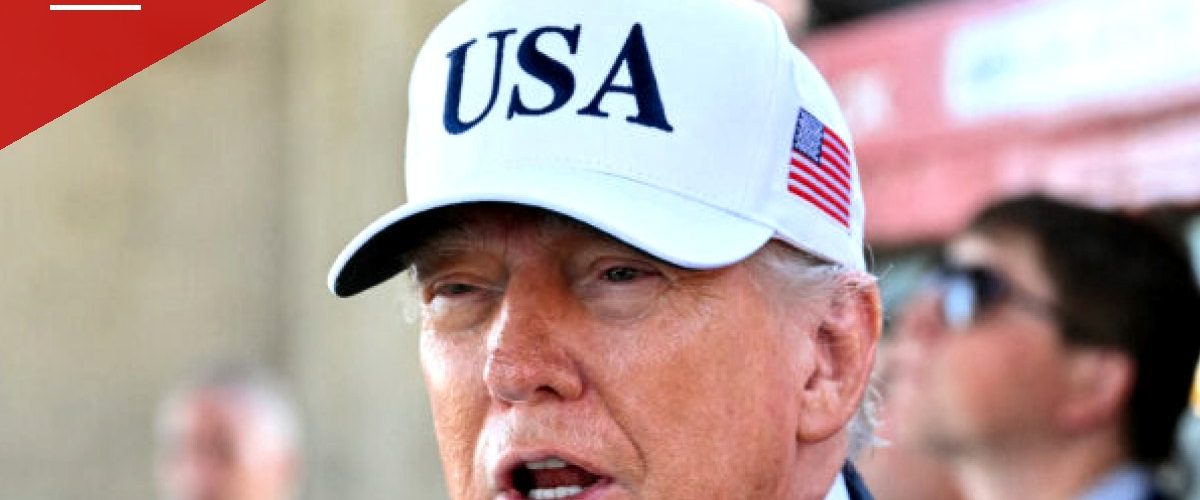
President Donald Trump told reporters Wednesday that the war with Iran will end on his timeline alone, declining to offer a date and defending the conflict even as he acknowledged it likely cost Republicans control of the Senate in Tuesday’s midterm elections.
Speaking at a White House press conference held at the construction site of the new ballroom, where the last piece of structural steel had just been installed, Trump was asked directly when he expects the war to conclude.
“Whenever I want it to, but it’s gotta be done right, and we’re never going to let them have a nuclear weapon,” Trump said.
It was Trump’s first extended exchange with the White House press corps since Democrats posted sweeping midterm wins. Asked about Vice President JD Vance’s public assessment that the Iran war was a major reason Republicans lost, Trump largely agreed.
“Well, I think it’s largely true, because it drove the gasoline up a little bit short-term, and… probably it’s true,” Trump said.
He did not back away from the decision to go to war, however, telling reporters he would do it again despite the political cost.
“But at the same time, if I had to do it again, I’d have to do it again, because long term it’s the only answer. You can’t let Iran have a nuclear weapon,” he said.
When a reporter pressed him on whether losing the Senate was worth it, Trump answered plainly.
“I do,” he said, adding, “You have no choice.”
He went further, suggesting the stakes justified the political fallout regardless of how badly gas prices were hit.
“I mean, I thought the oil would go up a lot more, and I did it on that basis. You have no choice. You have to do it. You can’t let Iran have a nuclear weapon, or everything that you see here someday might not exist,” Trump said.
What Voters Said
Exit polling from CNN shows the war and gas prices weighed heavily on voters heading into Tuesday’s elections. Of those surveyed, 87 percent said they were concerned about the cost of gas, including 59 percent who described themselves as “very concerned” and 28 percent as “somewhat concerned.”
On the war itself, 34 percent of voters said it was a “crucial” factor in their vote, while another 40 percent called it “a major factor” — meaning a combined 74 percent said the conflict significantly shaped their decision at the ballot box.


Add comment