
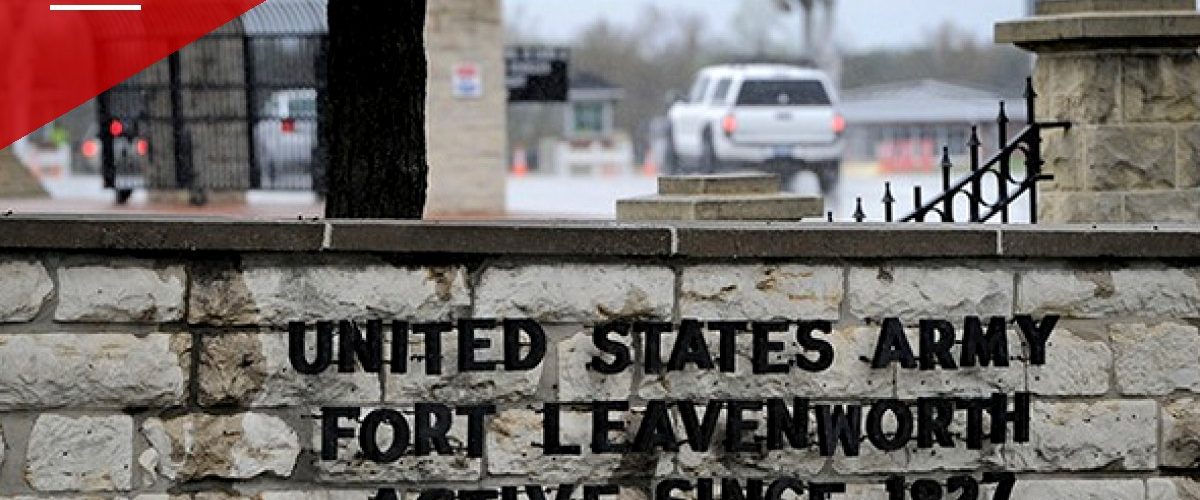
The Department of War is requiring U.S. military bases to be able to operate for at least 90 days without any outside support, part of a broader effort to prepare for a major conflict that could knock out power grids, disrupt supply chains and damage critical infrastructure inside the United States.
The requirement is part of an initiative called FORTRESS, according to documents reviewed by Fox News Digital. The program is designed to keep American forces fighting even if the civilian systems bases normally rely on are damaged or disrupted.
Pentagon chief spokesperson Sean Parnell said reliance on civilian infrastructure for national defense is no longer acceptable.
“We don’t want to rely on standard civilian municipal infrastructure to run our national defense. We just simply can’t. It’s an intolerable risk,” Parnell told Fox News Digital.
To meet that goal, FORTRESS calls for portable nuclear reactors, large-scale battery storage and microgrids that would let installations disconnect entirely from the civilian electrical grid and keep running through prolonged power outages.
The plan also directs bases to build strategic reserves of munitions, fuel, critical minerals, electronics, spare parts and medical supplies, in case international supply routes are cut off or domestic manufacturers can’t keep up with wartime demand.
The push reflects a recognition that past assumptions about American safety from attack no longer hold. In World War I and World War II, oceans separating the U.S. from Germany and Japan kept domestic military bases largely insulated from direct attack, apart from Japan’s brief seizure of islands in Alaska’s Aleutian chain during World War II. Military planners now say that distance would not protect U.S. bases from a major future conflict involving a near-peer adversary.

Add comment